Category: Historic Places

Historic sites I have visited and photographed from around the UK and beyond

  • El Jem Amphitheatre

    El Jem Amphitheatre

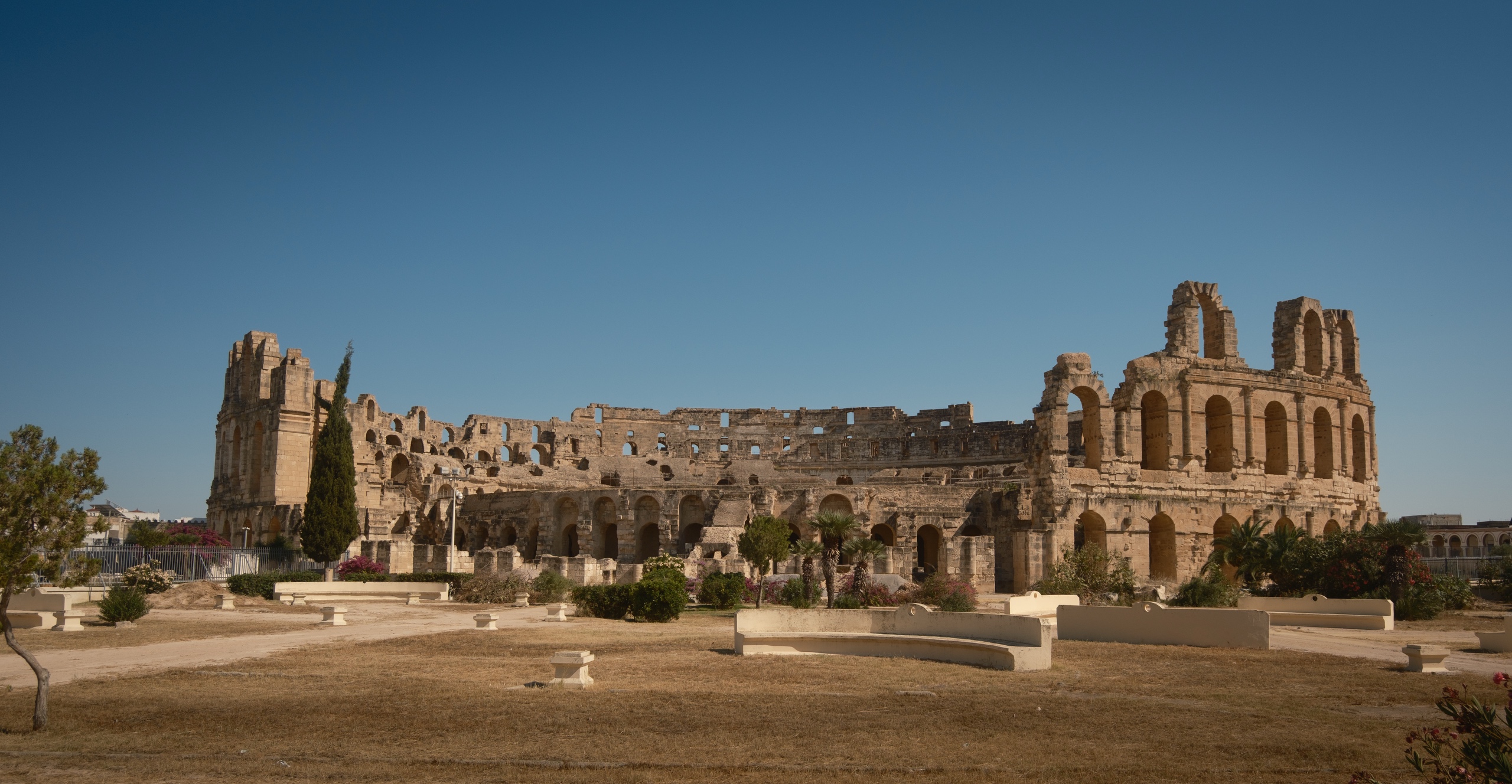
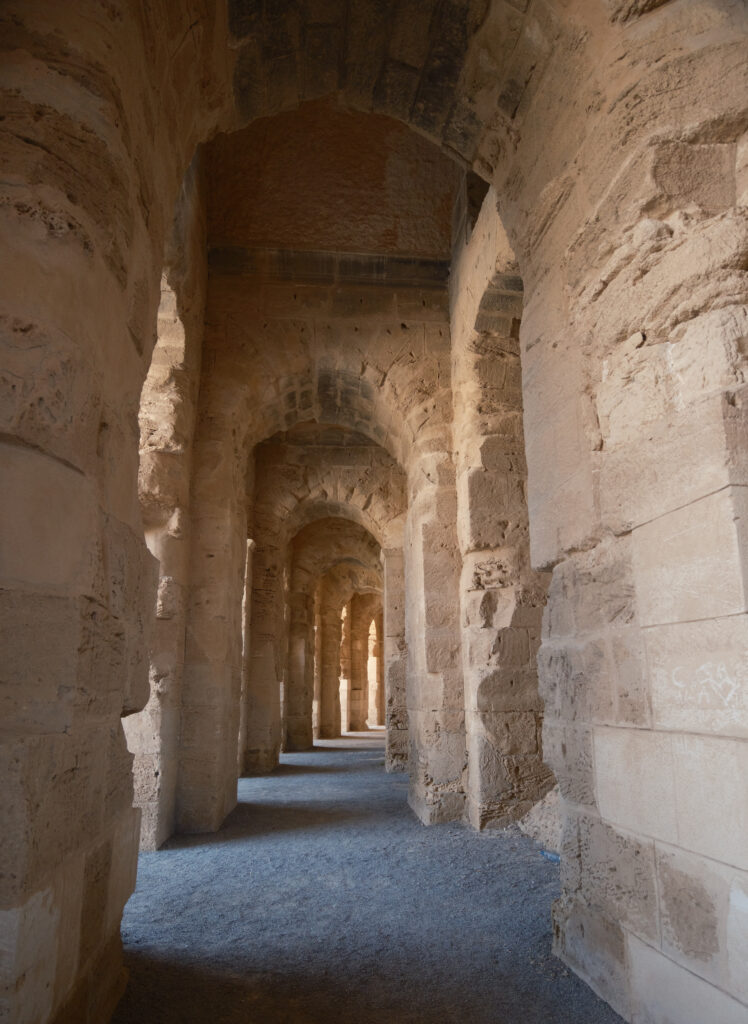
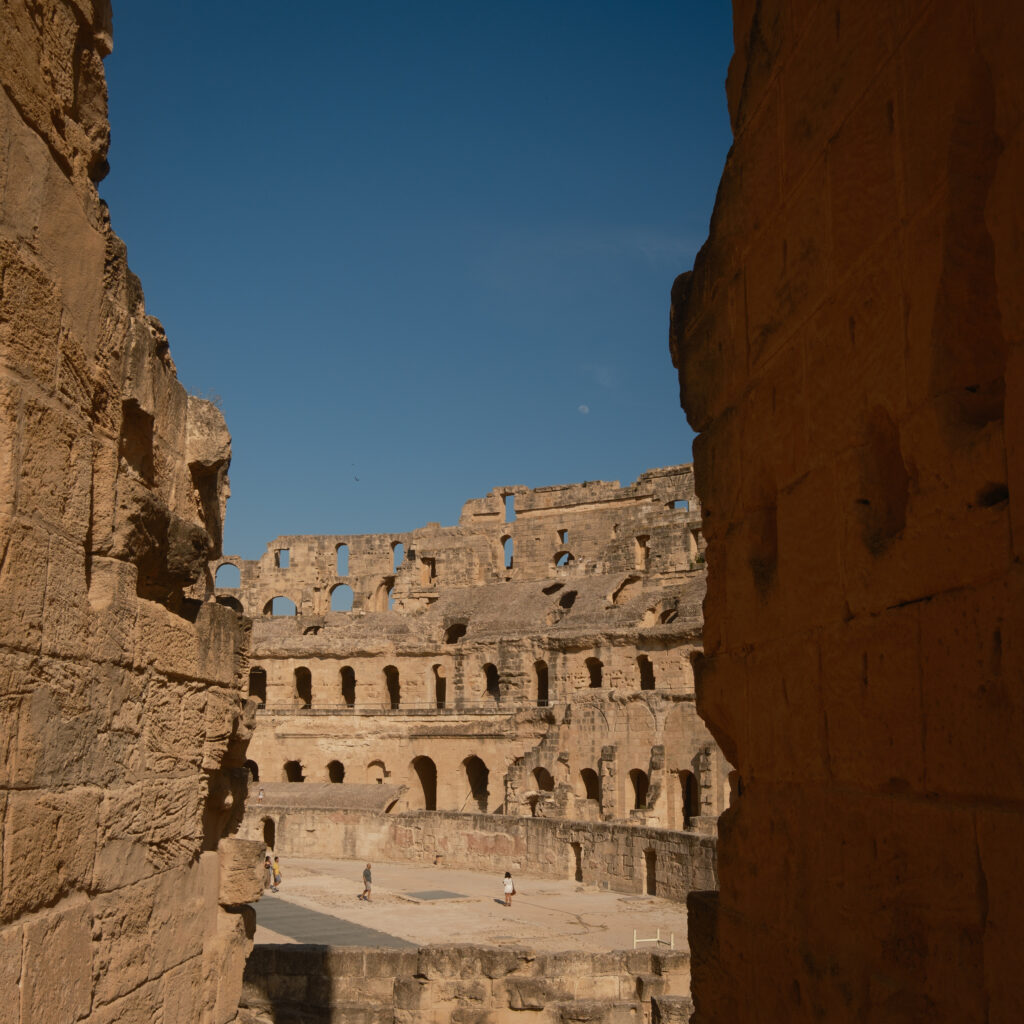
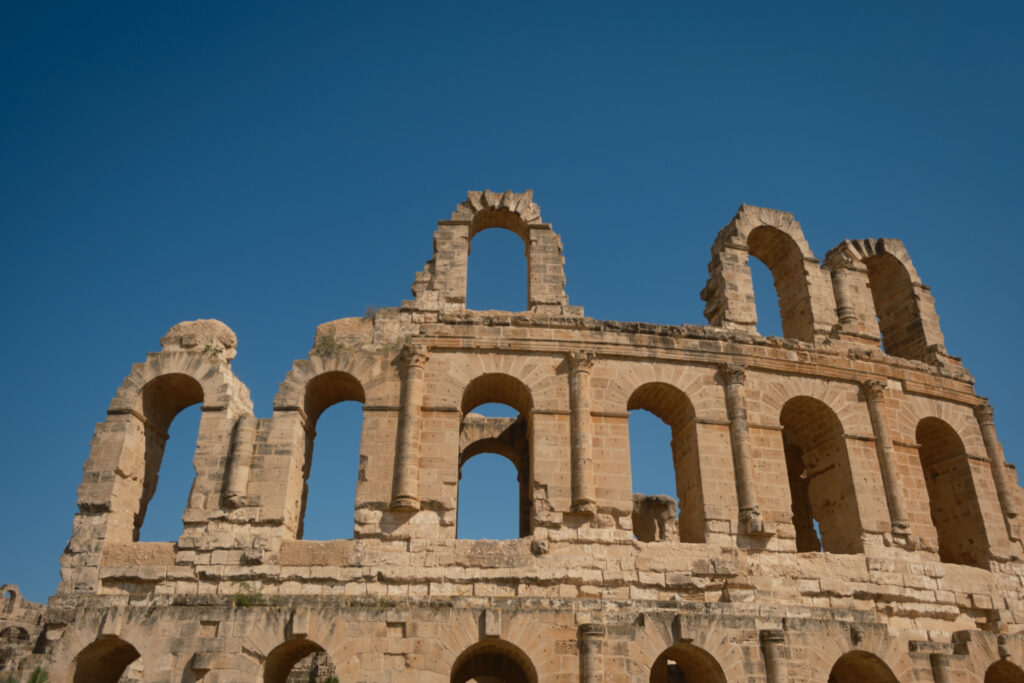
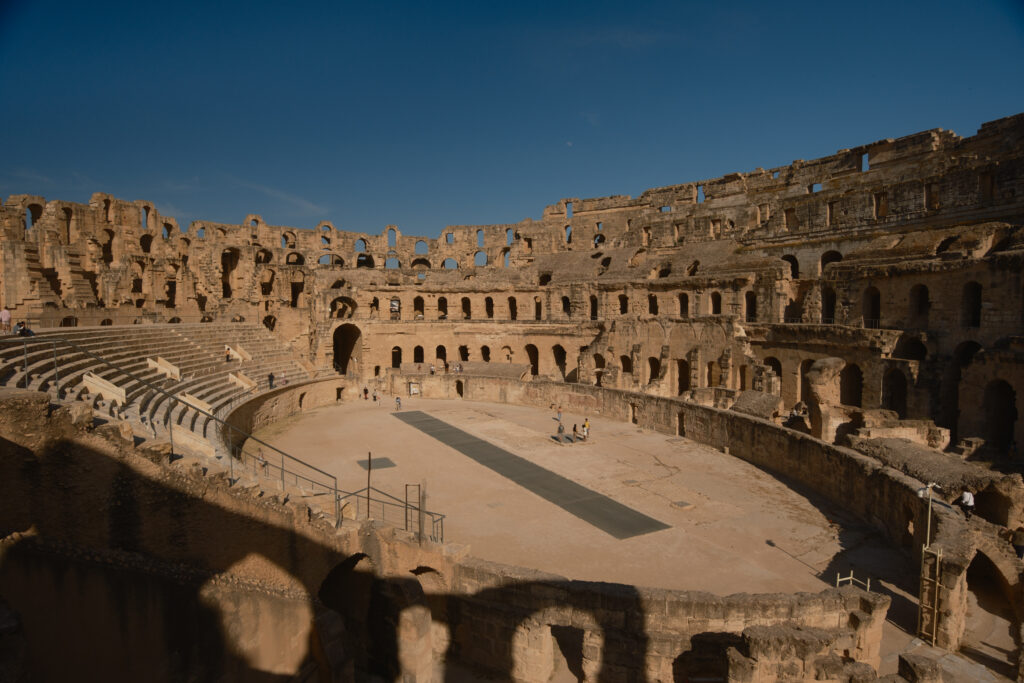
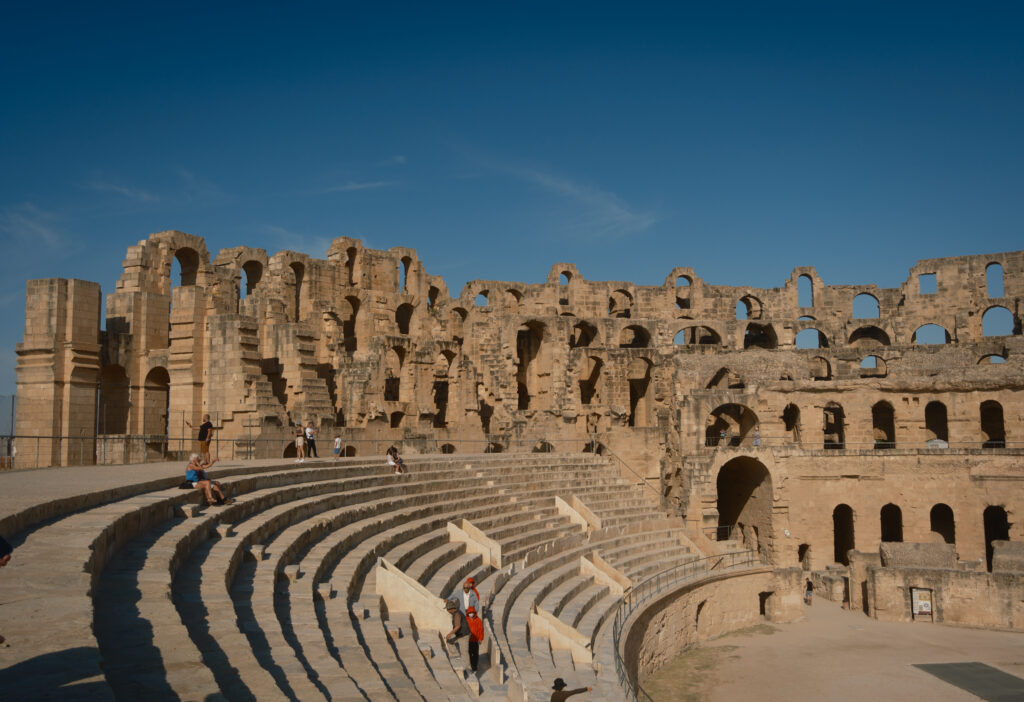
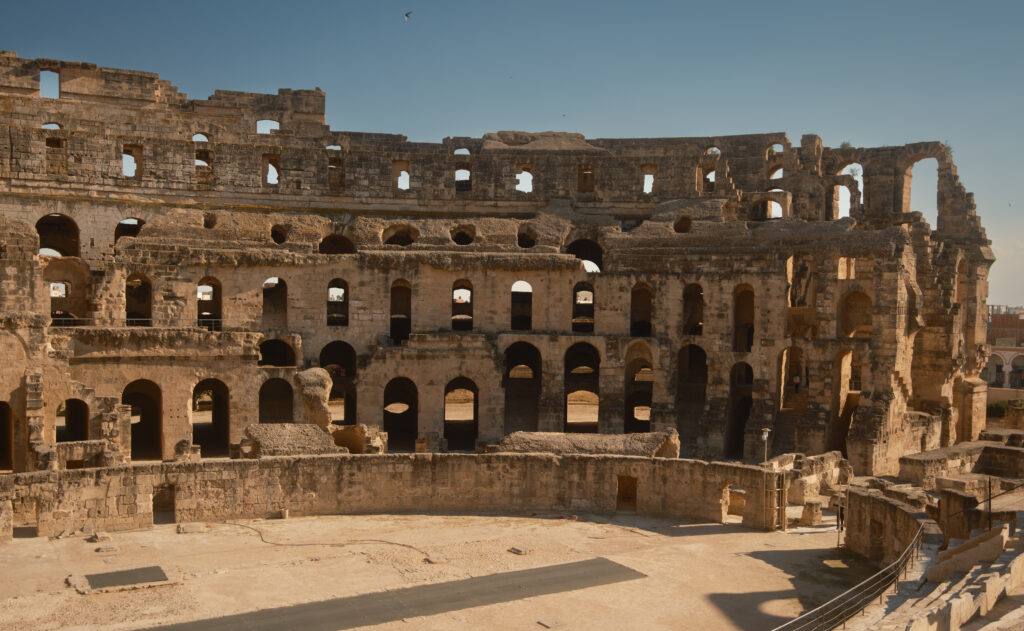
    The amphitheatre of El Jem was built in 238 CE, most likely under the emperor Gordian III.

    Back then, the city was called Thysdrus. It had a population of 50,000. The amphitheatre could hold 35,000.

    Thysdrus was on the edge of the Roman Empire, although it is only 45 miles from the Mediterranean coast, it was close to the southern boundary of the North African province.

    The amphitheatre is actually the third largest in the Roman Empire after the Colosseum and the Amphitheatre of Capua in Italy.

    So why build such a large amphitheatre on the edge of empire?

    There are likely to be a few reasons.

    • The Emperor Gordian III was born in the city of Thysdrus
    • The city was surrounded by extensive olive groves which made Gordian’s family extremely rich, therefore he could afford to build such a large public structure
    • It was a statement – to show that the Romans could show anyone outside of the empire what the Romans could achieve

    Gordian III died in 244 at the age of only 19, and following this, his successors had no inclination to complete the construction and so it remained unfinished.

    Find out more about the history of the amphitheatre by watching my YouTube video below.
  • Castle Roy

    Castle Roy

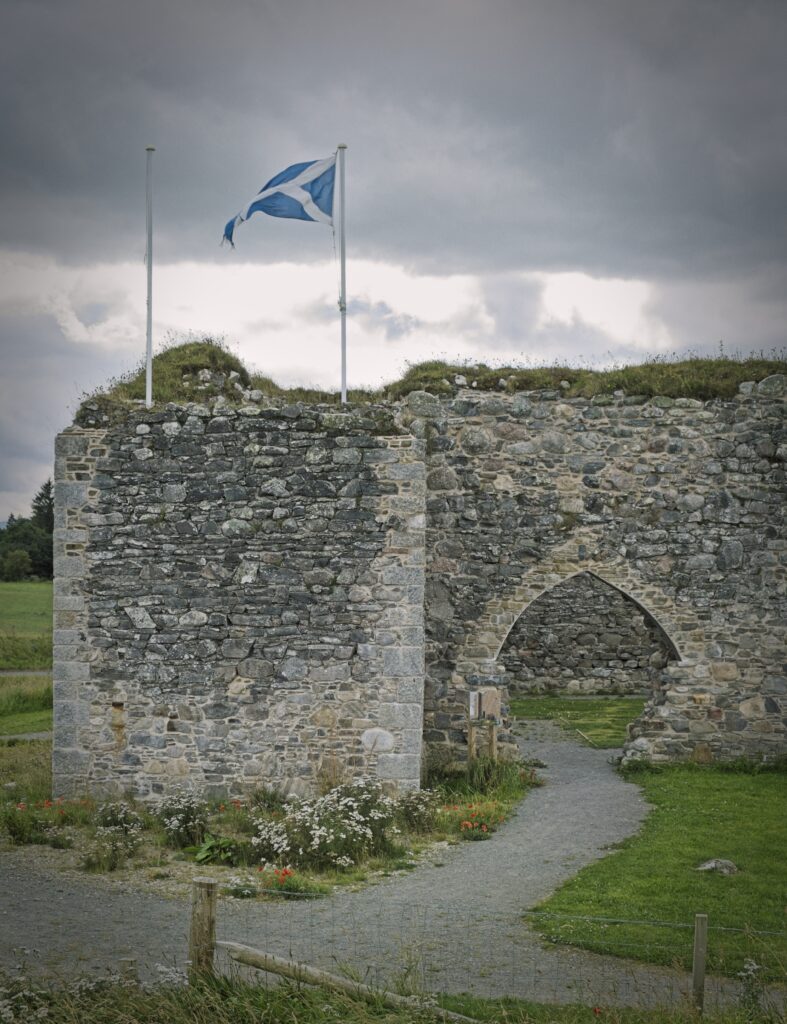
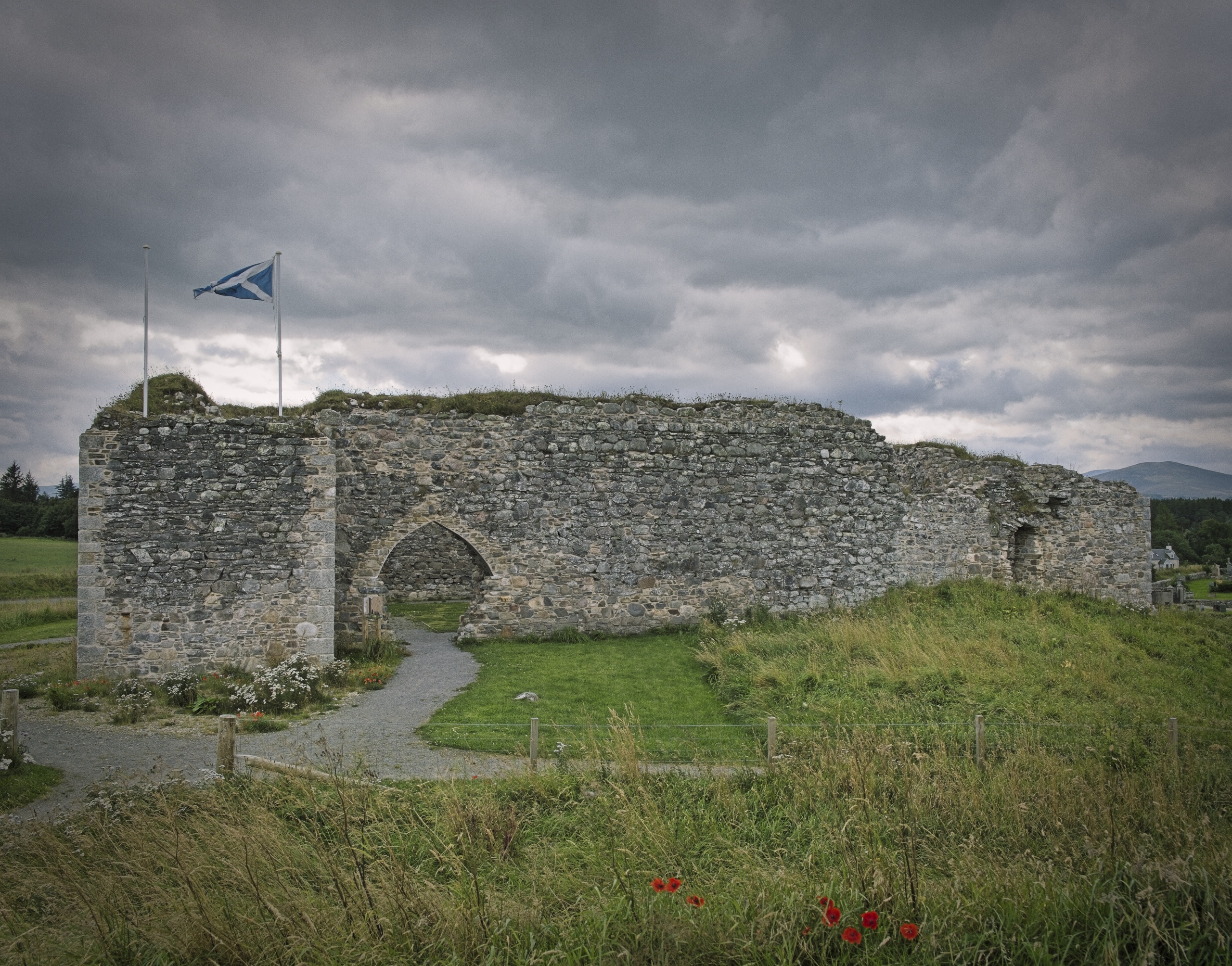
    Castle Roy may well be small compared to many castles in Scotland, but it lays claim to be one of the oldest stone castles in the country.

    It is situated just north of the village of Nethy Bridge near Grantown-on-Spey.

    The castle was abandoned by the 17th century, and a conservation project was completed in 2022 by the Castle Roy Trust.

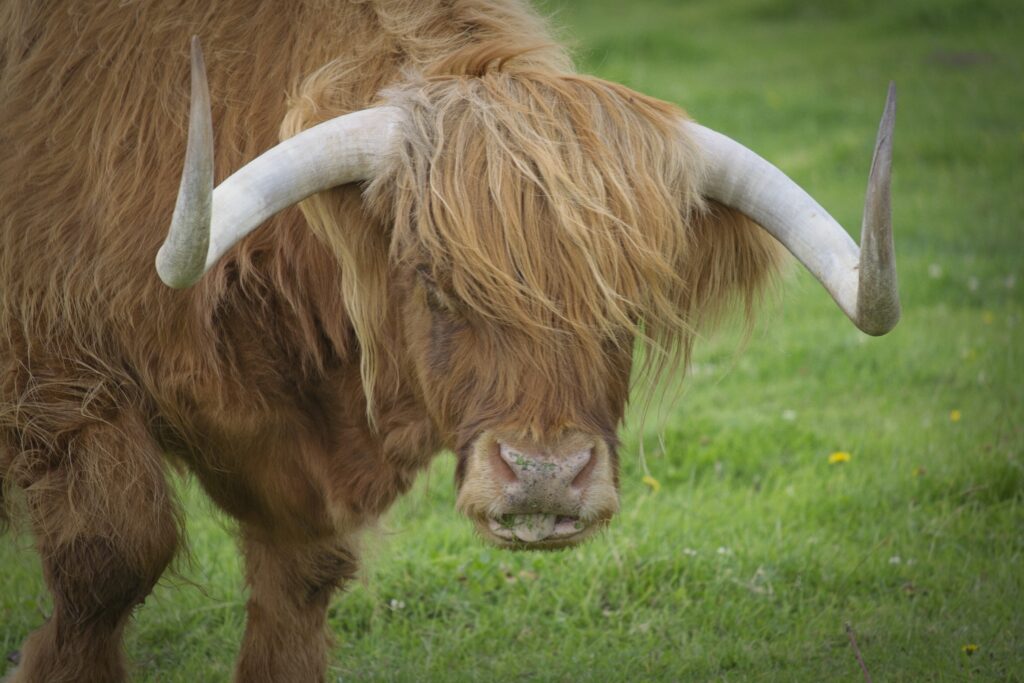
    There is a small car park in front of the castle, and you can see hello to the resident Highland Coo ‘Murdo’ before making your way up the hill.

    Check out our video at the top of the page for a tour and history!

    Details about the castle and the trust can be found here.

  • Lochleven Castle

    Lochleven Castle

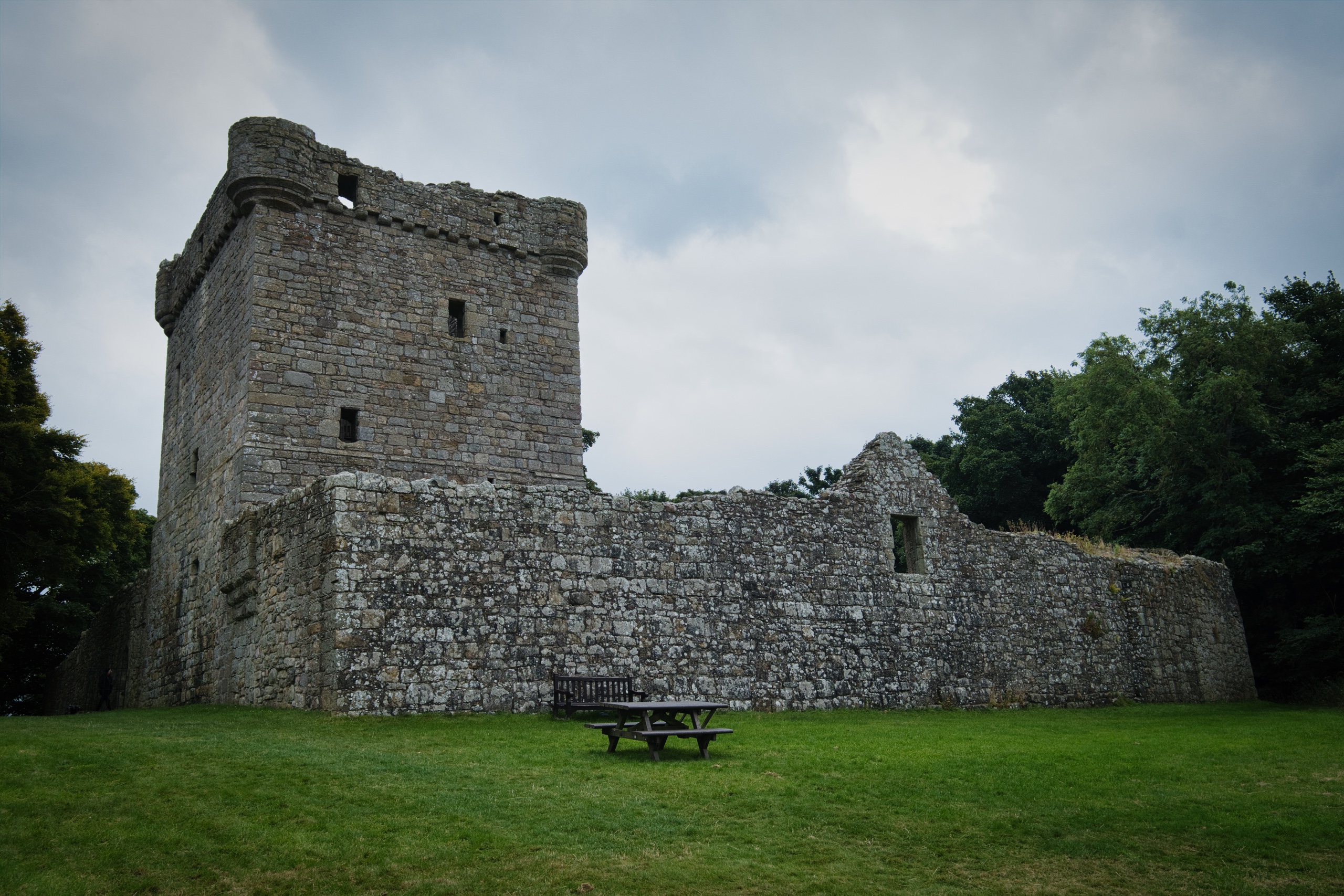
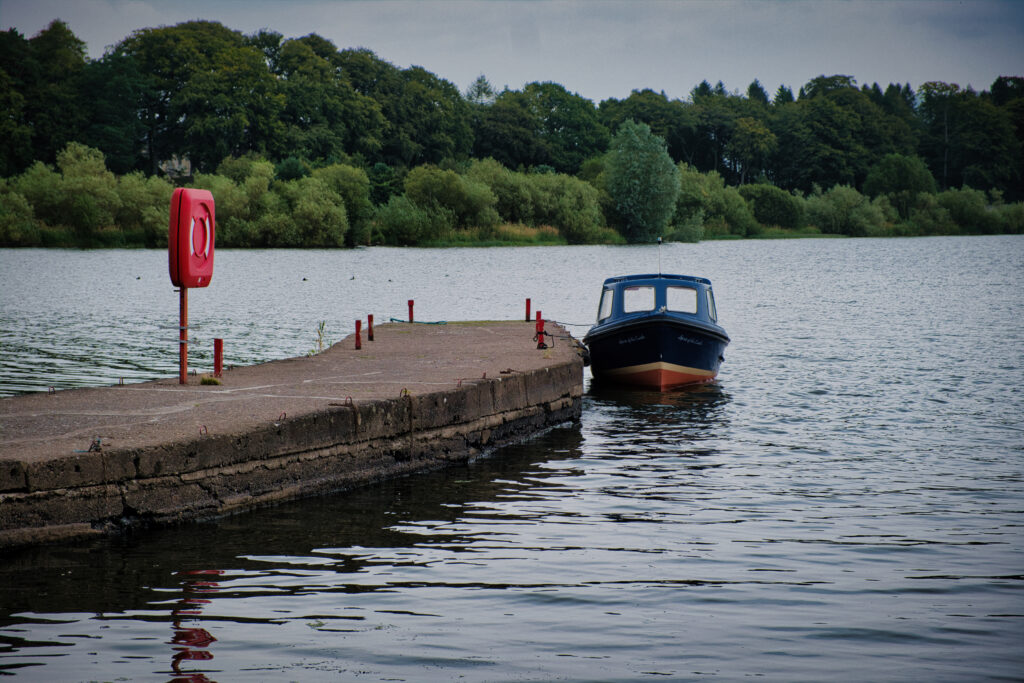
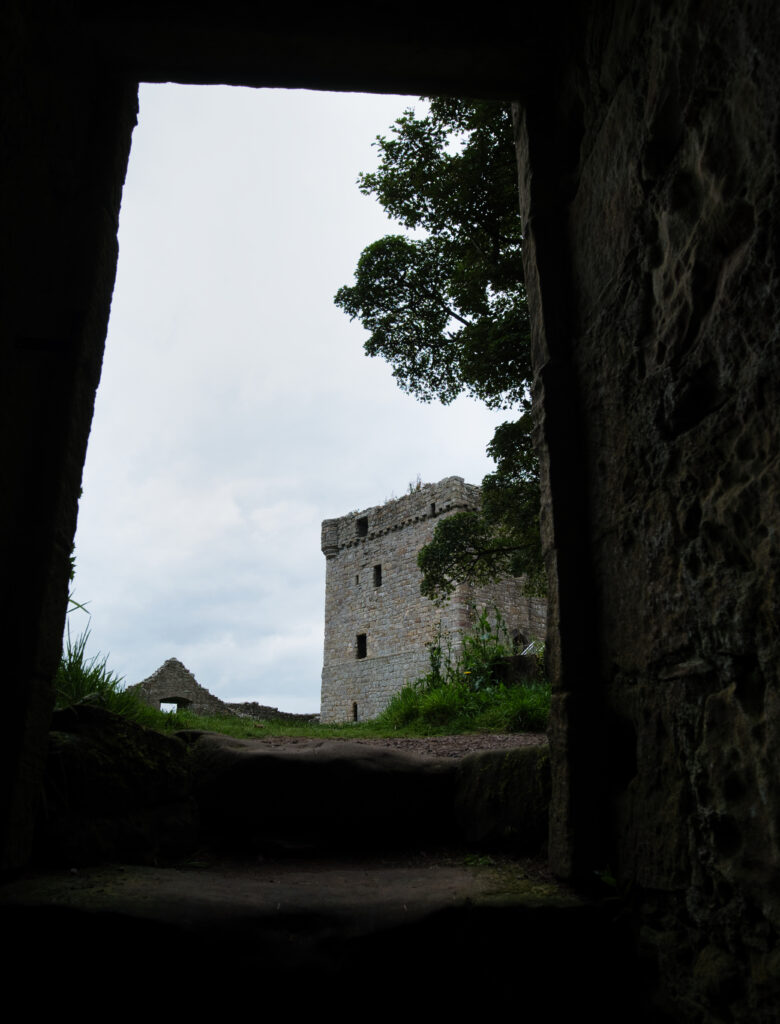
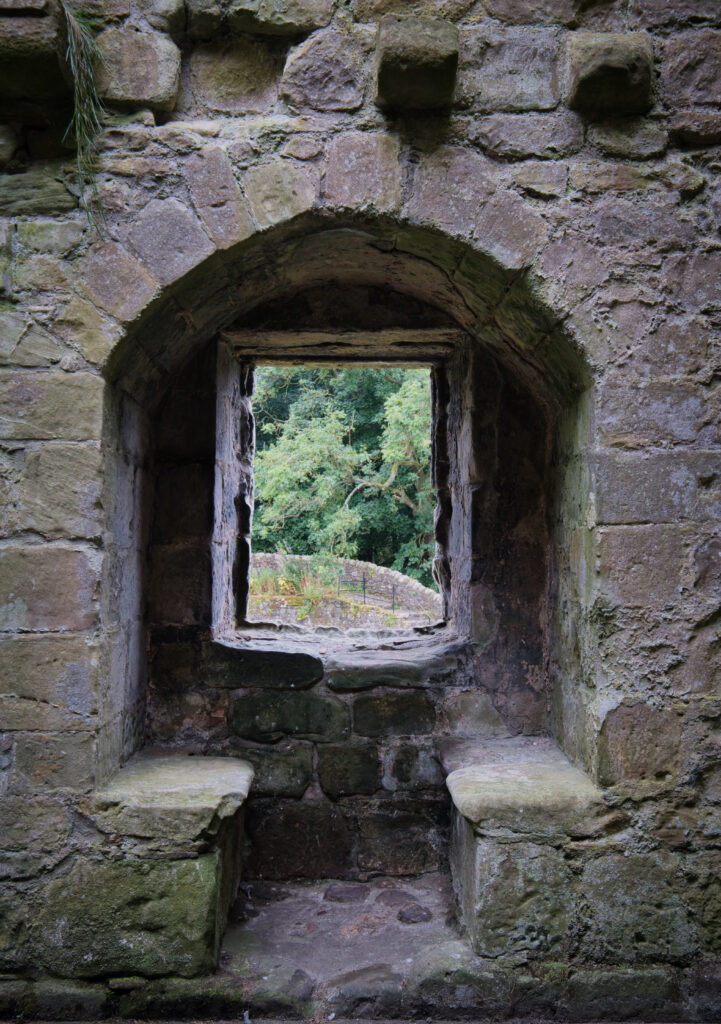
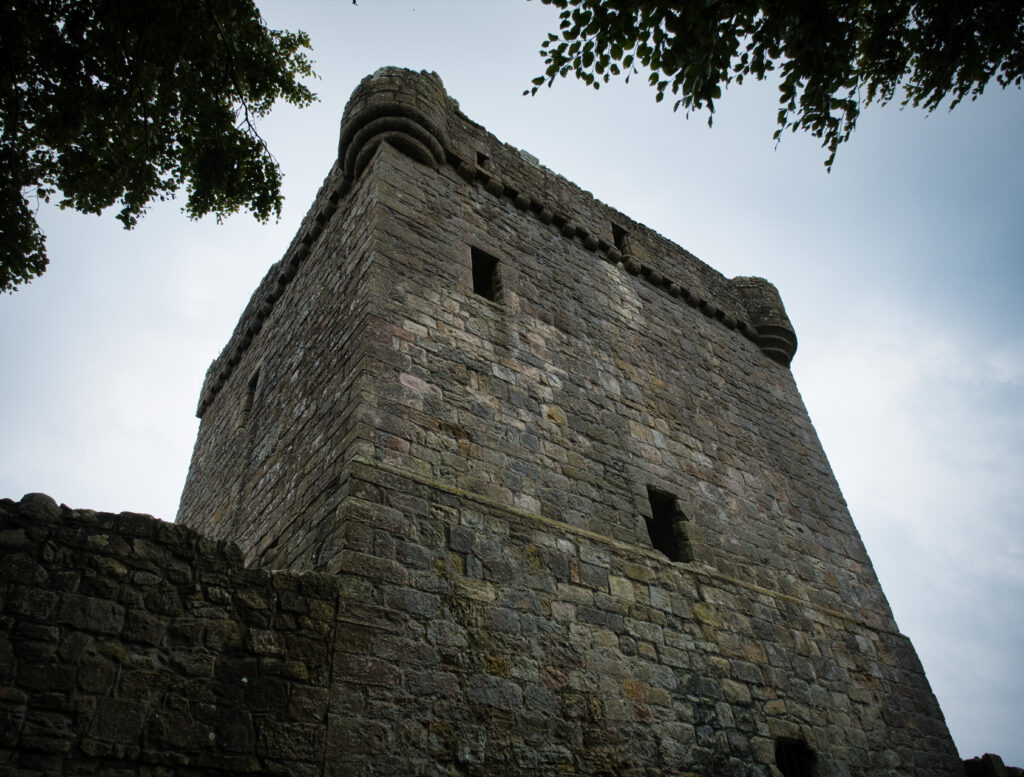
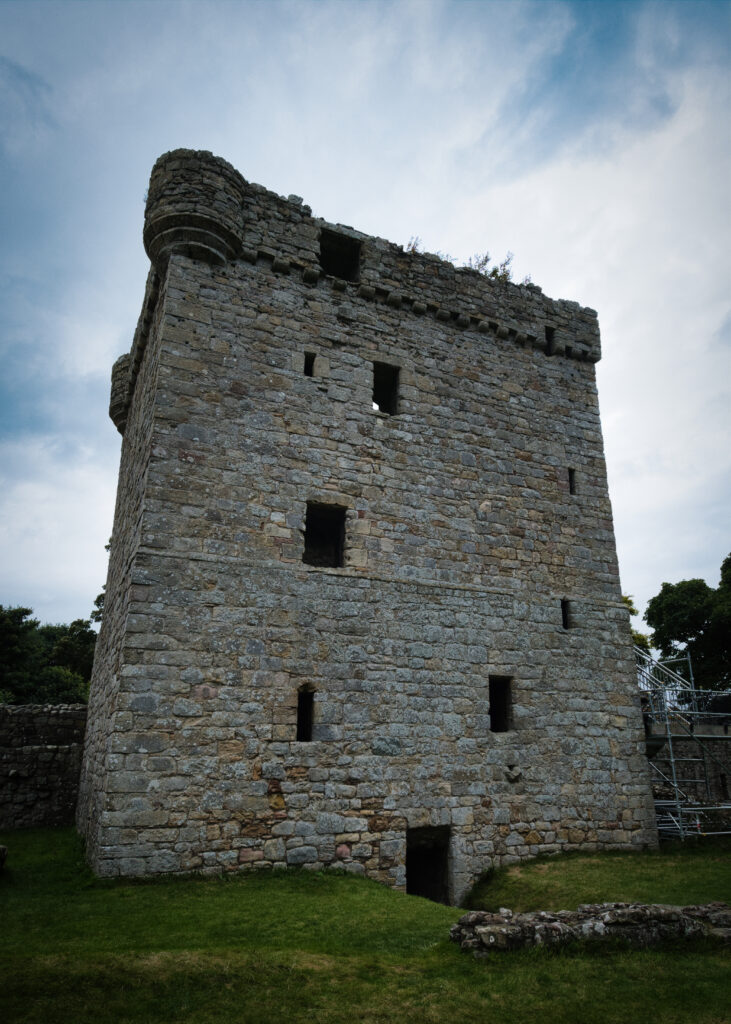
    Lochleven Castle sits on a small island in the middle of Loch Leven in Kinross.

    The castle is accessed via a small boat service from the jetty at Pier Road, Kinross. It is operated by Historic Environment Scotland.

    The castle is thought to date back to as early as 1257. It held a strategic position between Edinburgh, Stirling and Perth.

    During the First War of Scottish Independence the invading English army held the castle. It was recaptured by the Scots before the end of the 13th century, possibly by William Wallace.

    King Robert the Bruce is known to have visited the castle in 1313 and 1323.

    Robert Stewart was imprisoned here in 1369, two years before his coronation as Robert II.

    In 1390, as king, he  granted the castle to Sir Henry Douglas.

    Beginning in the 14th century, the castle served as a state prison.

    Mary, Queen of Scots stayed at Lochleven for a week in May 1562 to recover from a riding accident.

    In September 1565, Mary visited Loch Leven again as the guest of Sir William Douglas.

    Two years later, Mary returned to Lochleven as a prisoner, following the Battle of Carberry Hill. She was held there for eleven months.

    Whilst imprisoned, she suffered a miscarriage of twins, and was compelled to abdicate her throne in favour of her infant son, James VI.

    In May 1568, Mary escaped across the loch and fled to England in exile.

    She never saw her native land again.

    Around 1546, the Douglases built a house on the shore of the Loch which was known as “Newhouse”.

    In 1675, the estate was bought by Sir William Bruce, royal architect in Scotland.

    He built Kinross House to replace Newhouse, and the castle was no longer lived in.

    Lochleven Castle had fallen into ruin by the 18th century.

    It is advised to pre-book your visit to the castle, as spaces on the boat are limited. There is plenty of parking shoreside at Kinross.

    More details can be found here.

  • Craigmillar Castle

    Craigmillar Castle

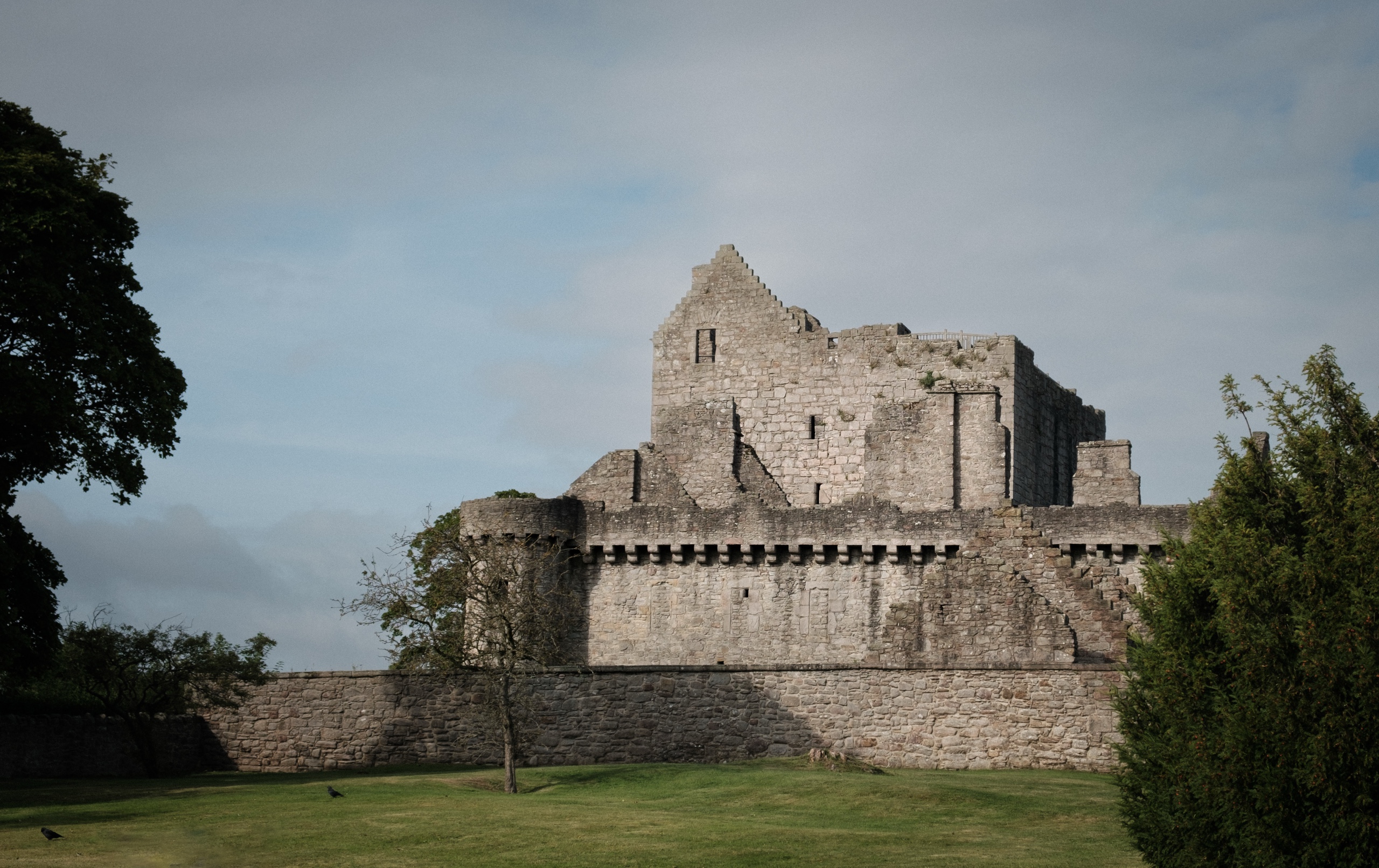
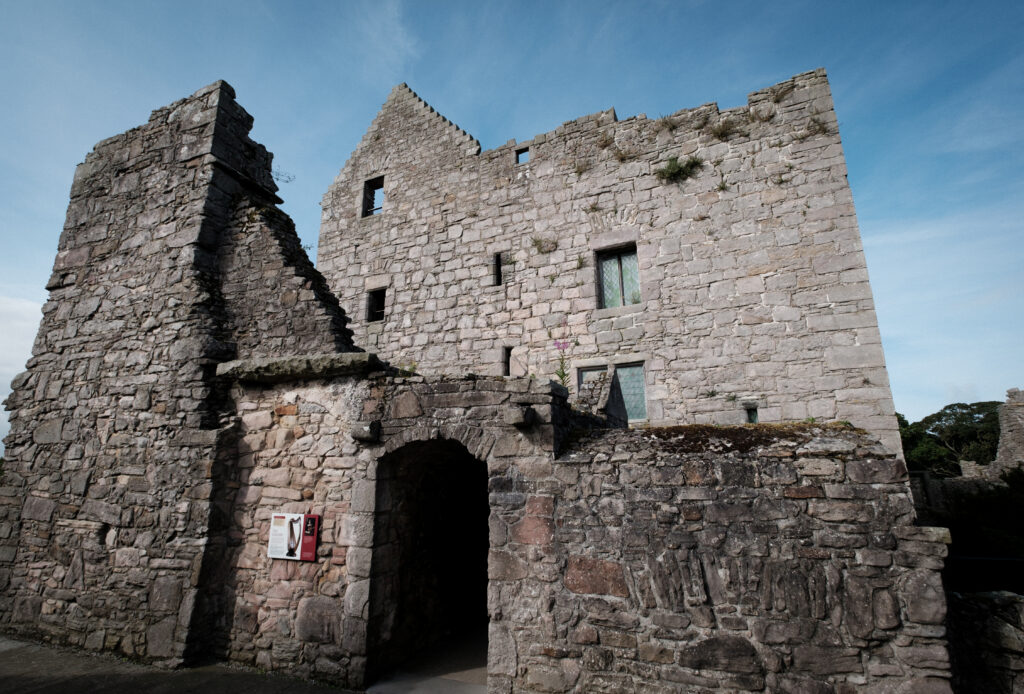
    Craigmillar Castle sits just three miles from the centre of the city of Edinburgh. Overshadowed by the much better known castle in the city, it nevertheless has a history of its own and is definitely worth a journey out of the city to explore it.

    We travelled by car. There is a small car park at the site, with spaces for about eight cars, so we’d recommend getting there early in peak times.

    The name Craigmillar is derived from the Gaelic: craig, meaning crag, maol, meaning bare and ard meaning high.

    Craigmillar Castle is managed by Historic Environment Scotland. Details for planning your visit can be found here.

  • Dirleton Castle

    Dirleton Castle

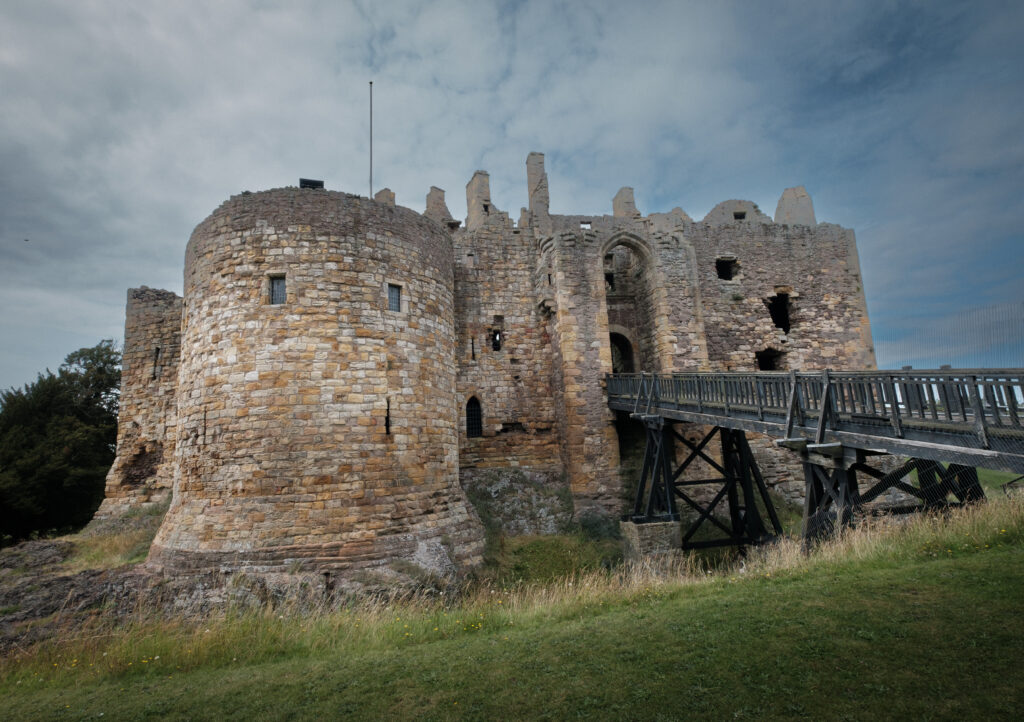
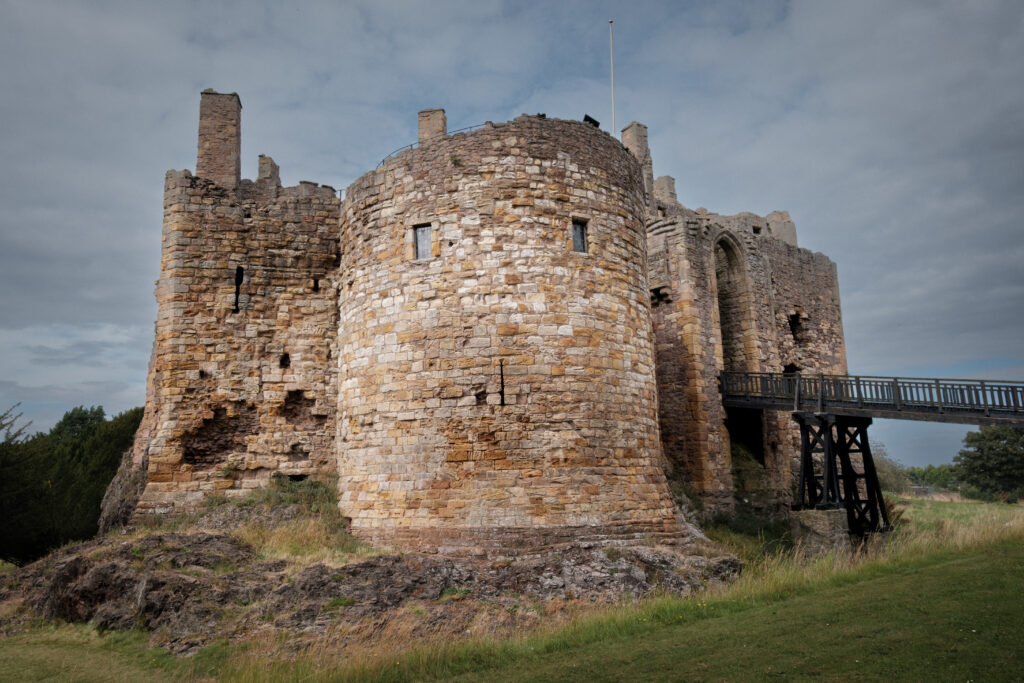
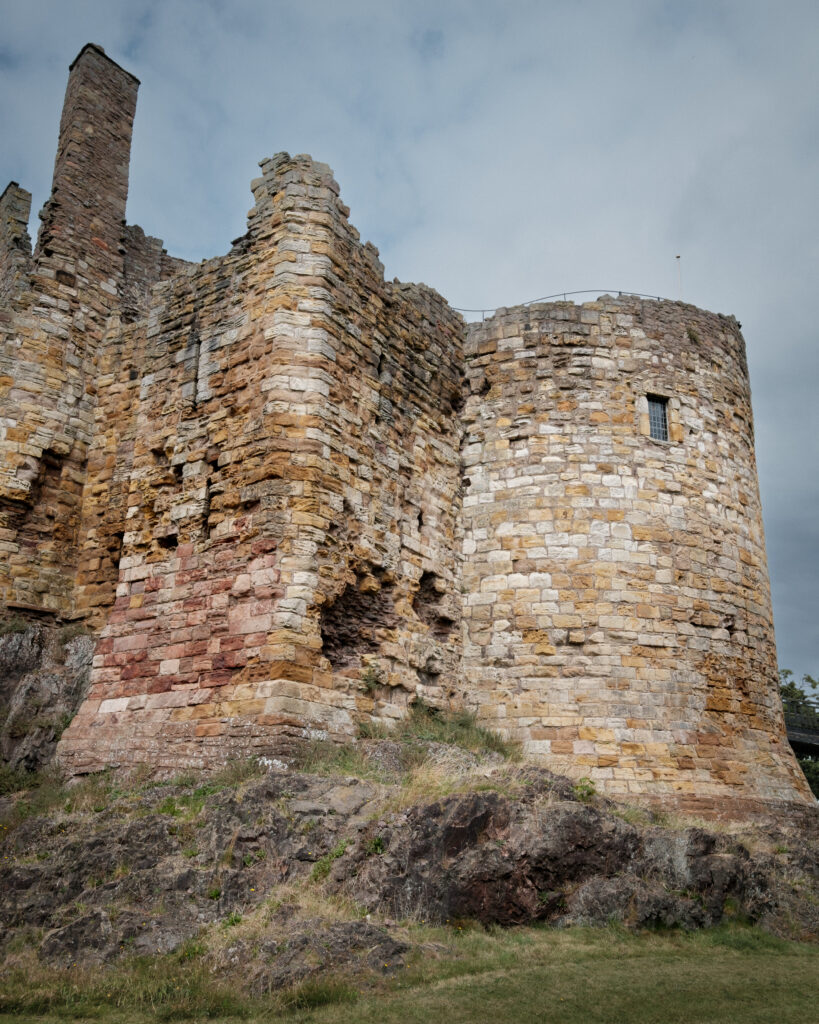
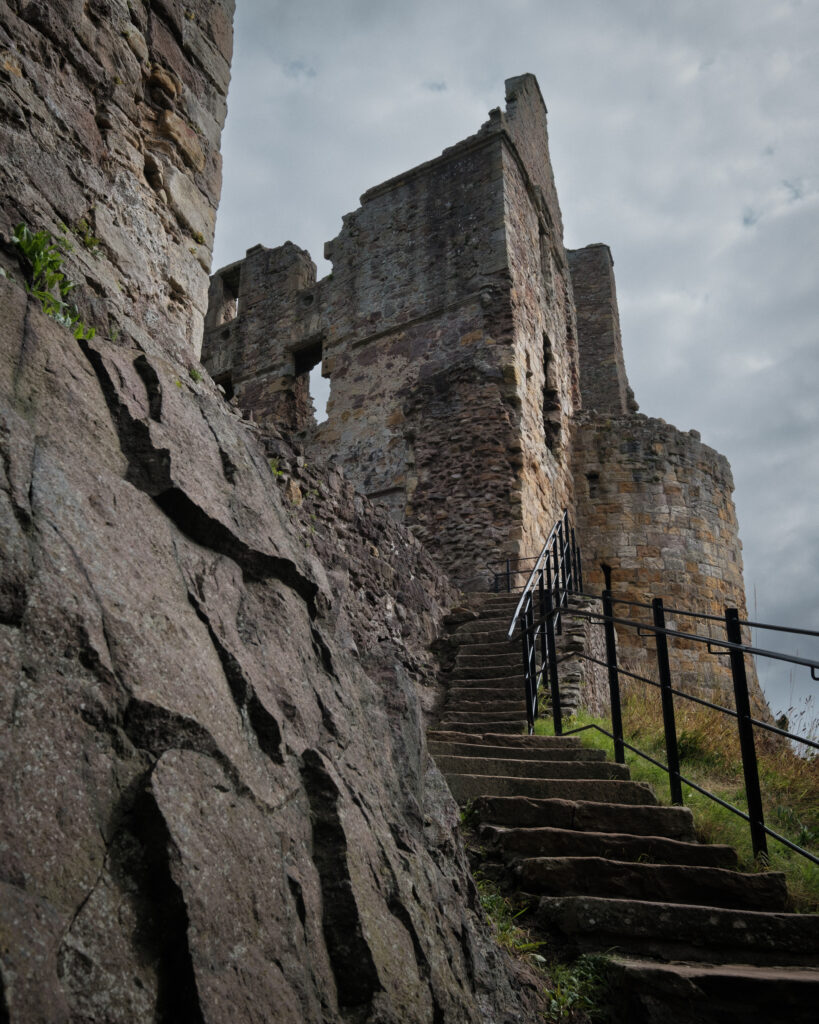
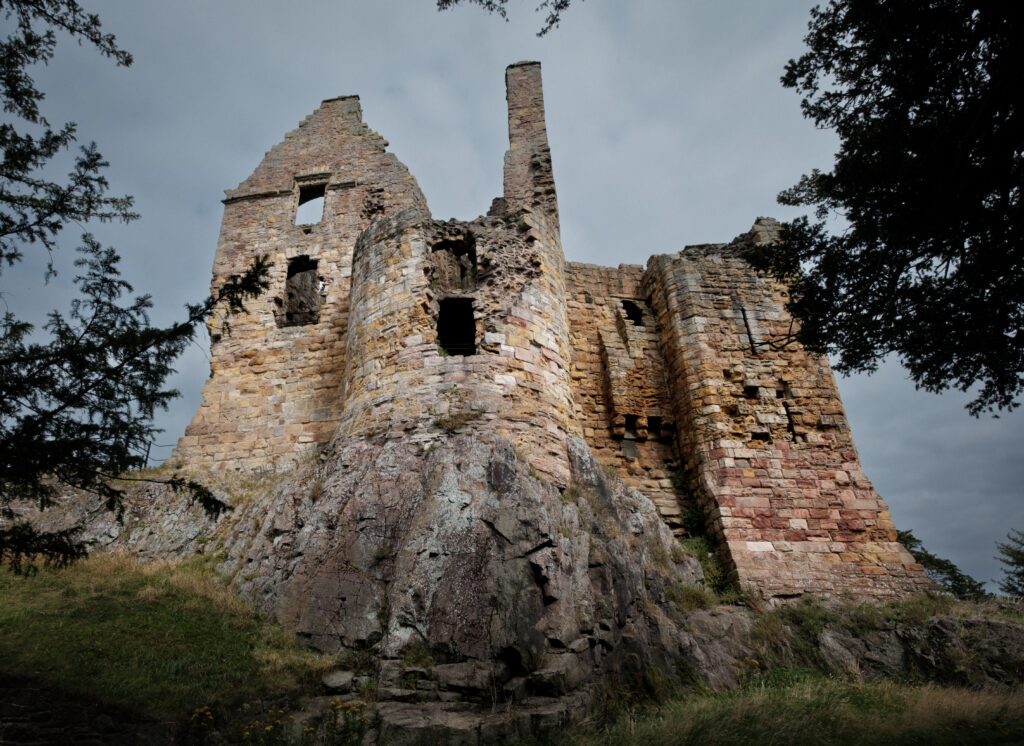
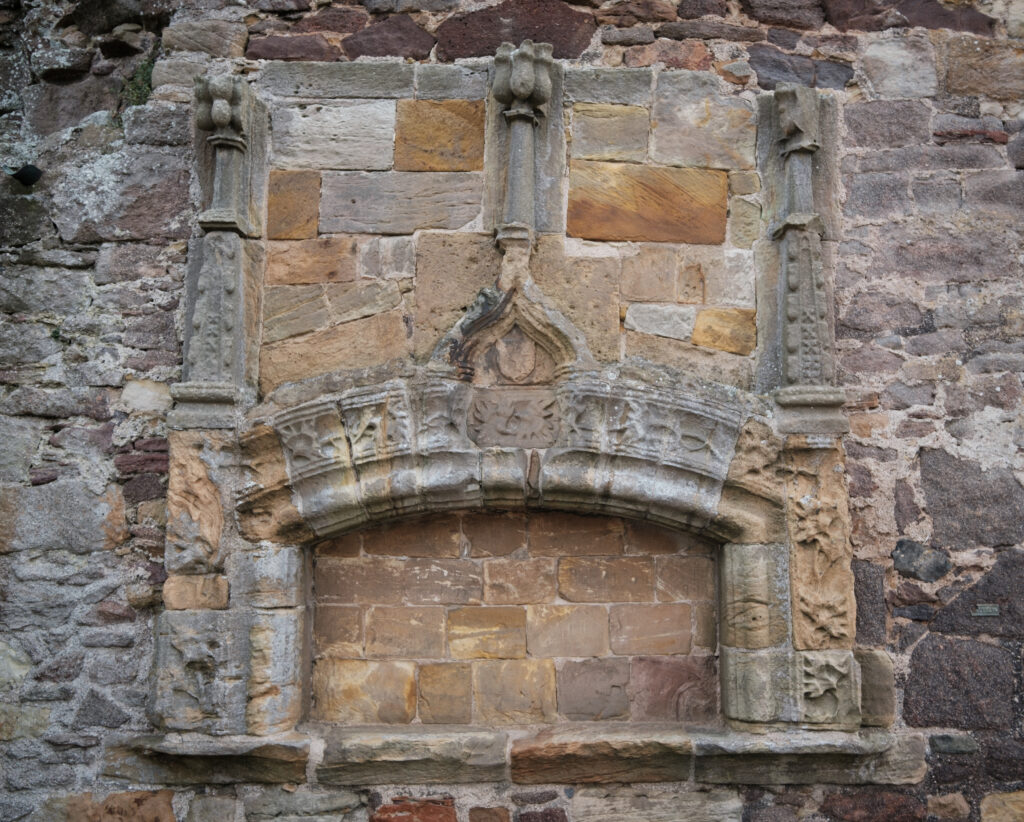
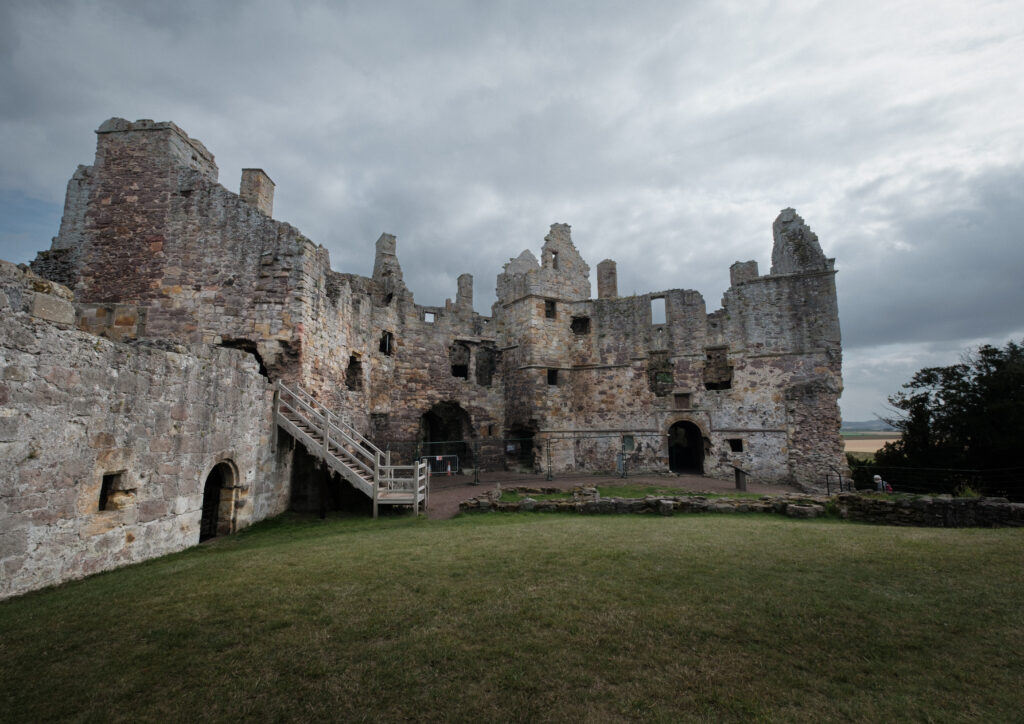
    Dirleton Castle is situated two miles west of North Berwick in East Lothian, twenty miles from Edinburgh.

    It was built in three main phases, by the successive families who owned it – the de Vaux family, the Haliburtons and the Ruthven family.

    John de Vaux was granted the barony of Dirleton by King David I, and his nephew began building the castle in 1220.

    Only the donjon, or keep, remains from this first castle.

    The castle was damaged to prevent its use during the Scottish Wars of Independence.

    In 1350 the castle passed to the Haliburton family of North Berwick. They made the original towers taller, and built a new gatehouse.

    A large hall and tower house were added in the 15th century, transforming it into one of the finest noble residences of its time in Scotland.

    The castle and lordship of Dirleton passed to William Ruthven in 1515. New lodgings were added.

    In addition, gardens were laid out in the grounds. These can be explored as you make your way from the entrance to the castle, stopping at the beautiful dovecot of the same period, along the way.

    Dirleton Castle is managed by Historic Environment Scotland. Visitor details can be found here.

    There is a small car park in front of the entrance. When we visited (August 2024), there was no access through the main entrance into the castle. It’s worth checking before visiting if there are any restrictions.

    Please watch our video tour below which includes further history of the castle.

  • Blackness Castle

    Blackness Castle

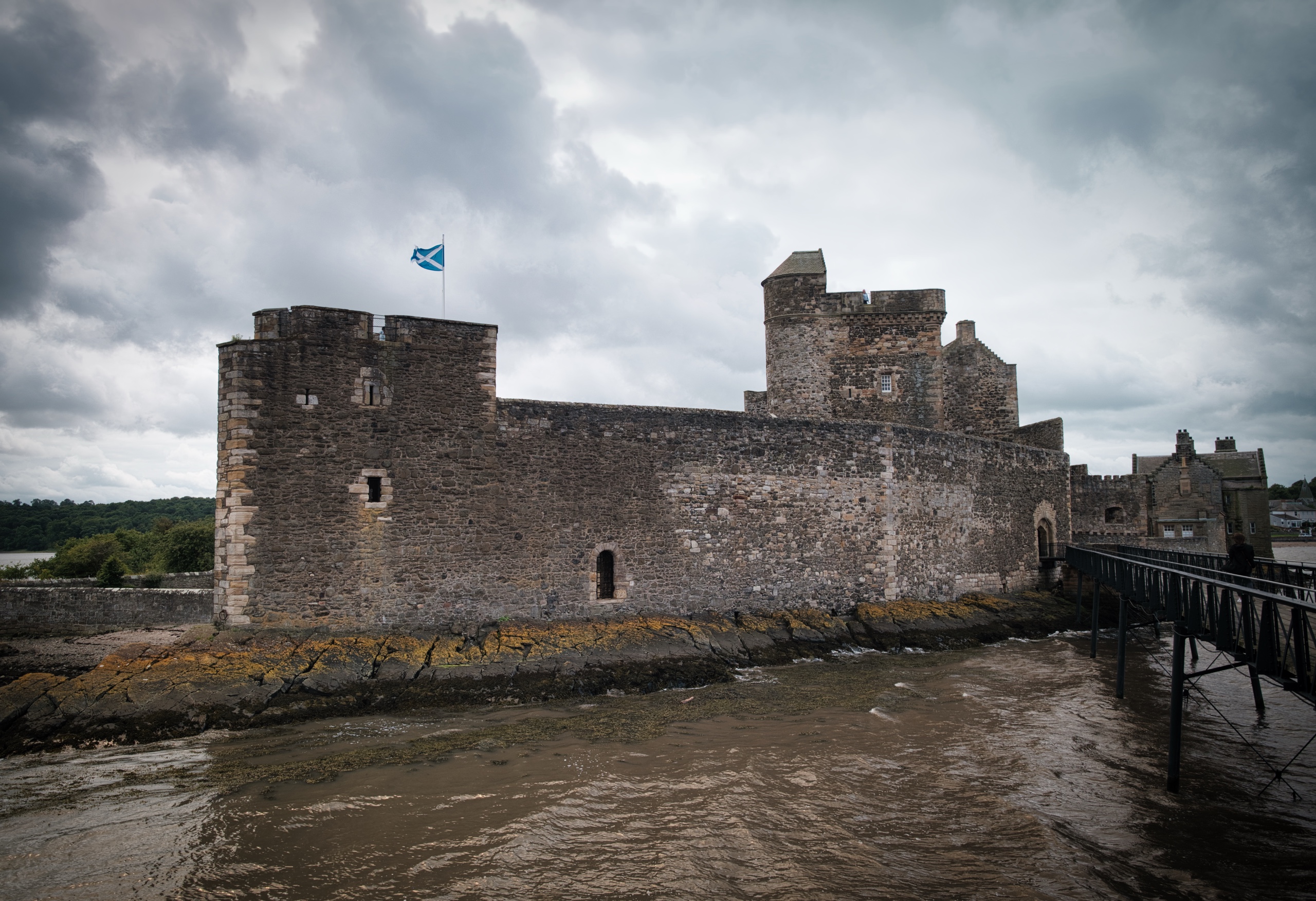
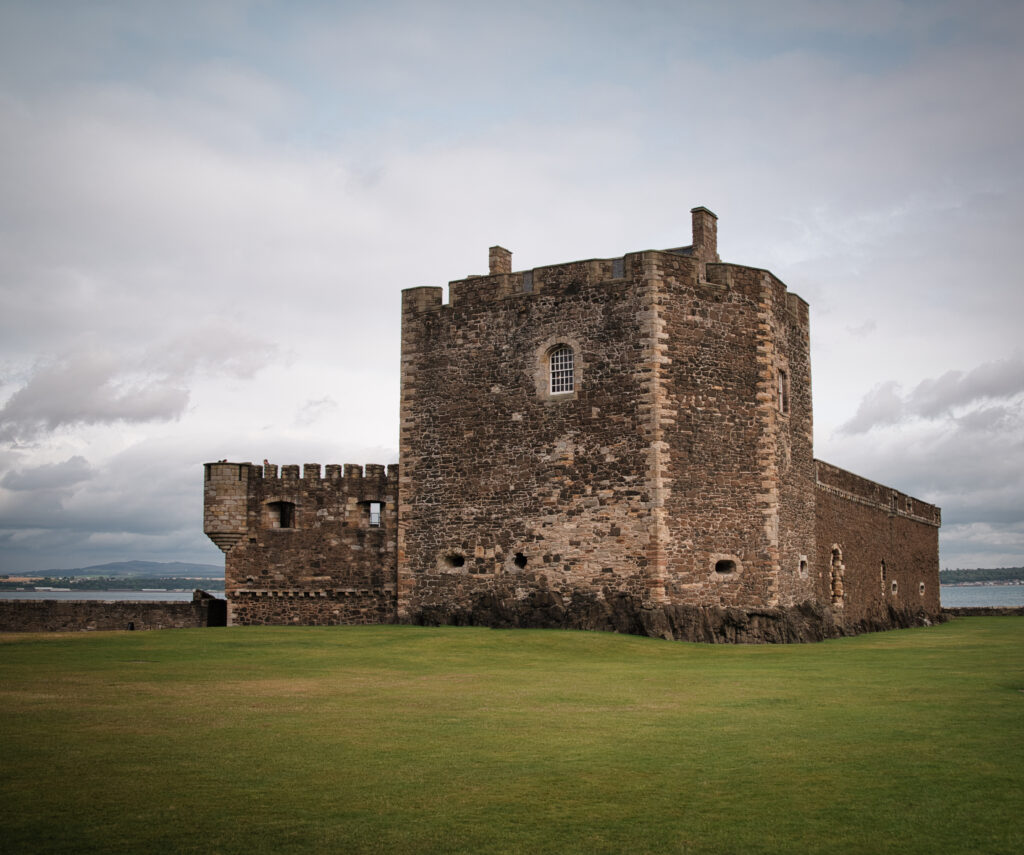
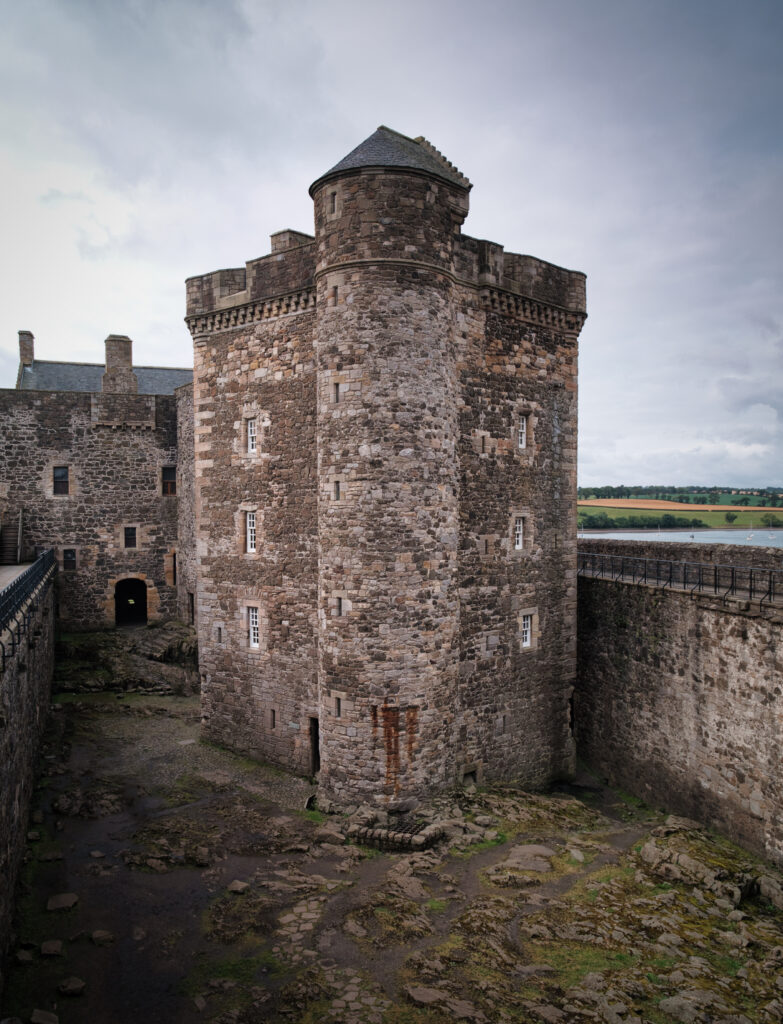
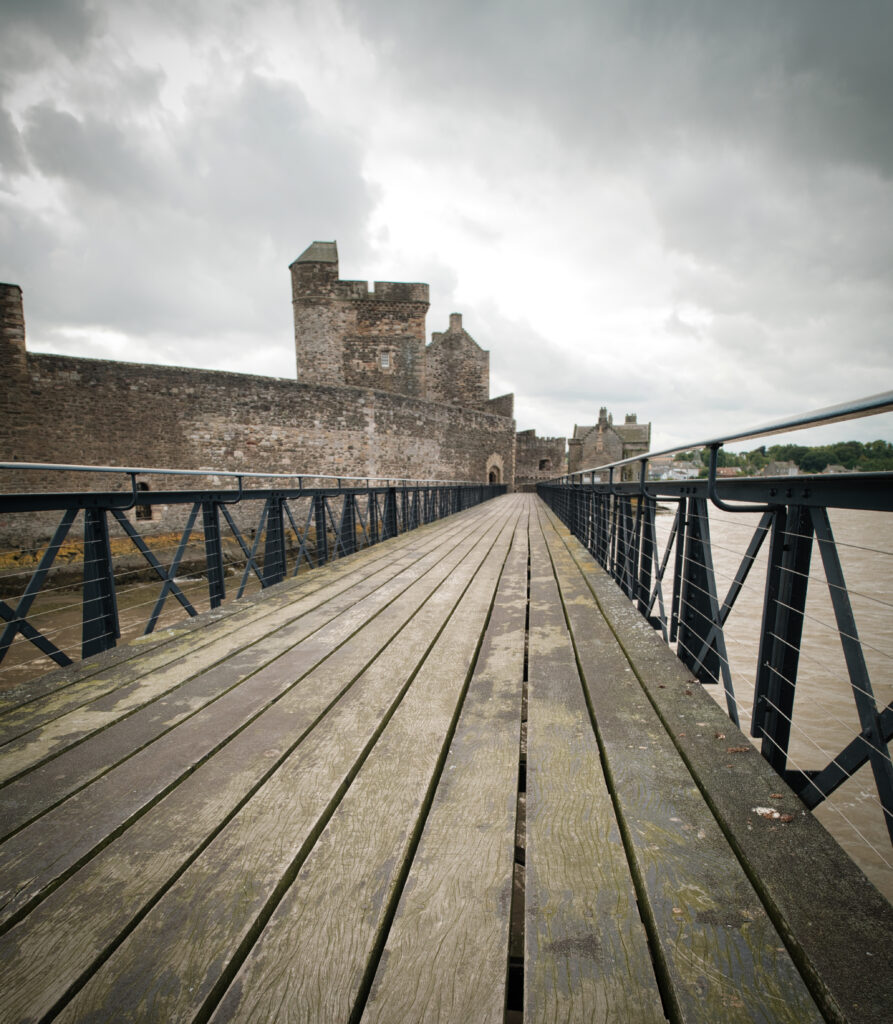
    If you’ve ever looked at a castle and thought, “Yep, that looks like a stone ship that could fire cannons at pirates,” you’re not alone. Blackness Castle actually does look like a ship—and people even call it “The Ship That Never Sailed.”

    Blackness Castle is situated on the south bank of the Firth of Forth, 13 miles northwest of Edinburgh.

    This formidable fortress was built in the 1440s by Admiral George Crichton – a powerful man – he was the Lord High Admiral of Scotland at the time. He built it as a noble residence… but one with serious defences.

    After George’s equally powerful cousin William Crichton died, George was left without support and James II ordered him to hand over his assets, including Blackness.

    A keeper was installed to look after the castle, in this case the sheriff of Linlithgow.

    Under the crown, Blackness got a serious upgrade. The defences on this side of the castle were added by Sir James Hamilton of Finnart, Master of Works, in the 1530s. They protect the entrance, which he moved here from the other side of the castle.

    The upgrades also included thickened walls, gun loops, and artillery. It was now a serious castle.

    A Great Hall was added around 1540. This was at the heart of castle life, used for royal banquets when the king visited.

    Was it worth it? Well James IV is the only monarch known to have visited Blackness more than once. He heard Mass here in 1491 and in 1506, a banquet took place where four oboe players entertained him.

    Blackness also doubled as a prison. Many of the imprisoned residents of Blackness were important members of society who had fallen out of favour with the king – from political enemies to religious dissenters. They were imprisoned in the relative comfort of the Mast tower.

    Blackness kept its military role up into the 1700s, and even saw a bit of action during the Jacobite uprisings.

    Eventually, in the late 1800s, it was used as an ammunition store again.

    The castle is now in the care of Historic Environment Scotland.

    If you’re ever in Scotland, I highly recommend checking it out. You get amazing views, rich history, and a castle that looks like it could transform into a battleship at any moment!

  • Castle Acre Priory

    Castle Acre Priory

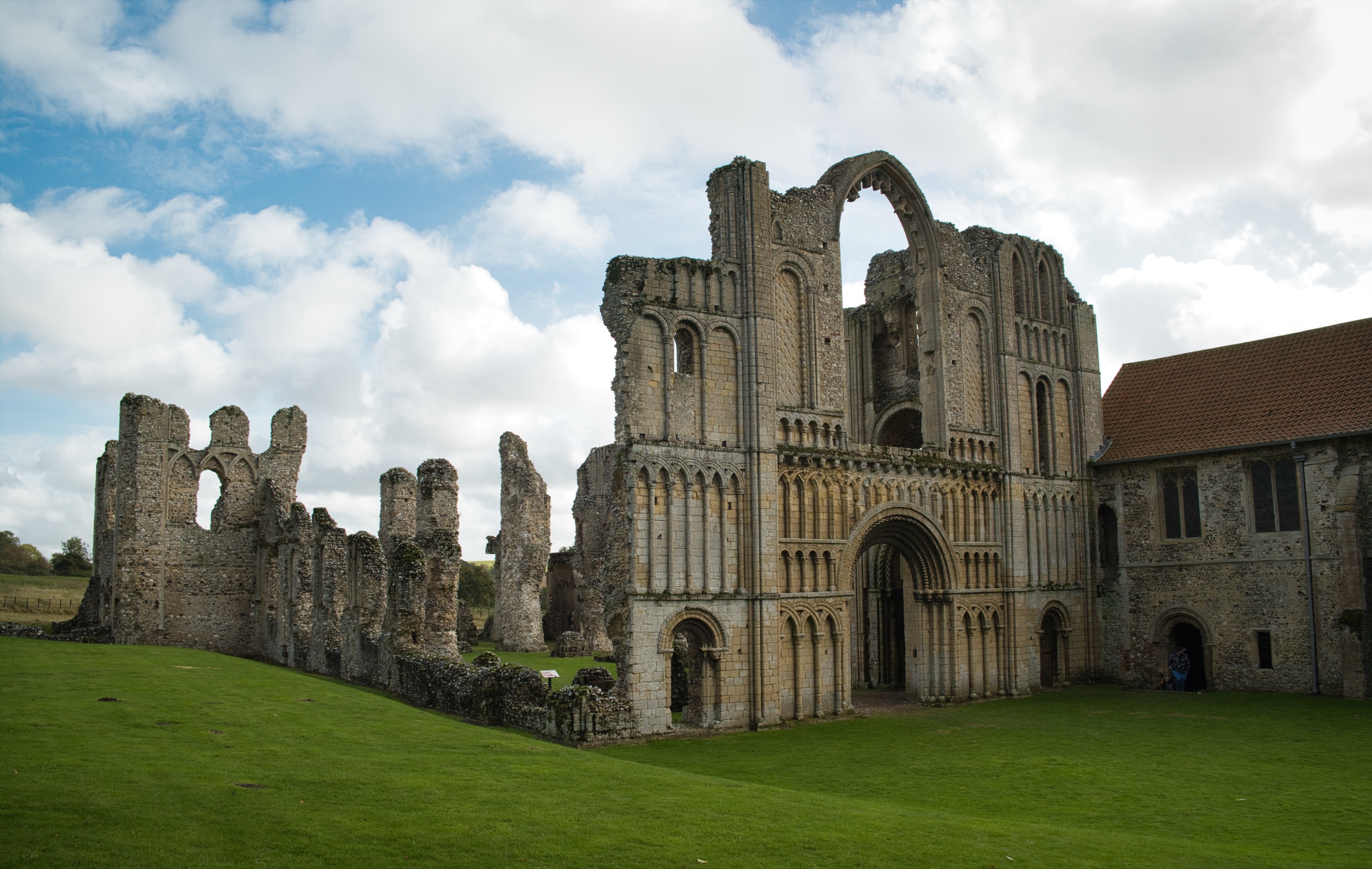
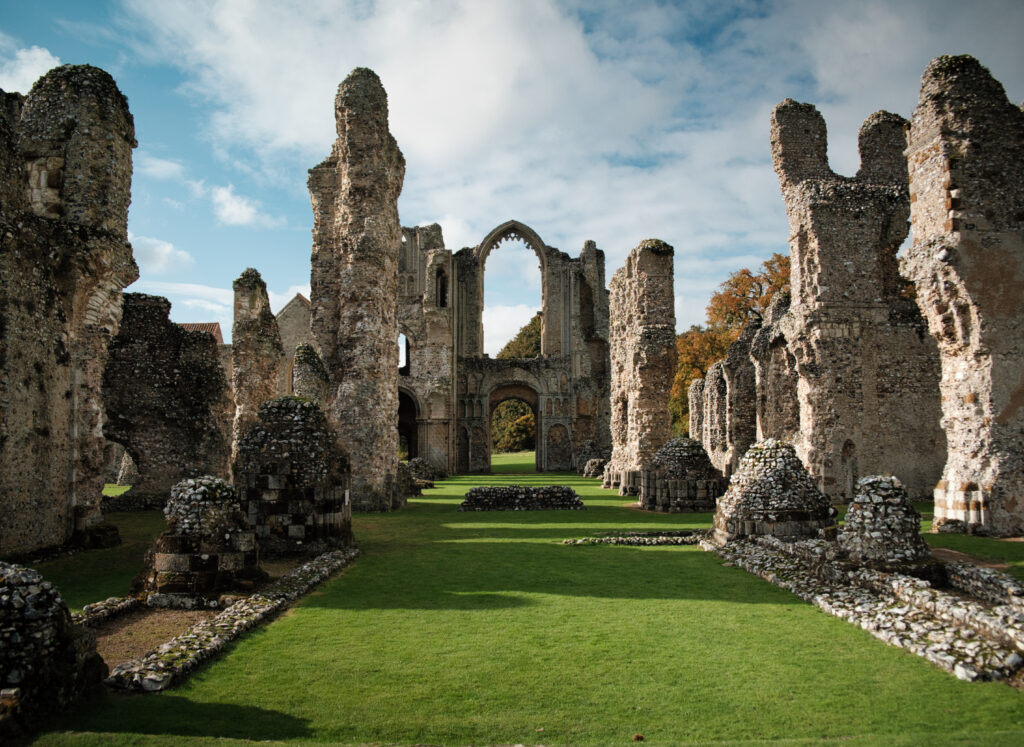
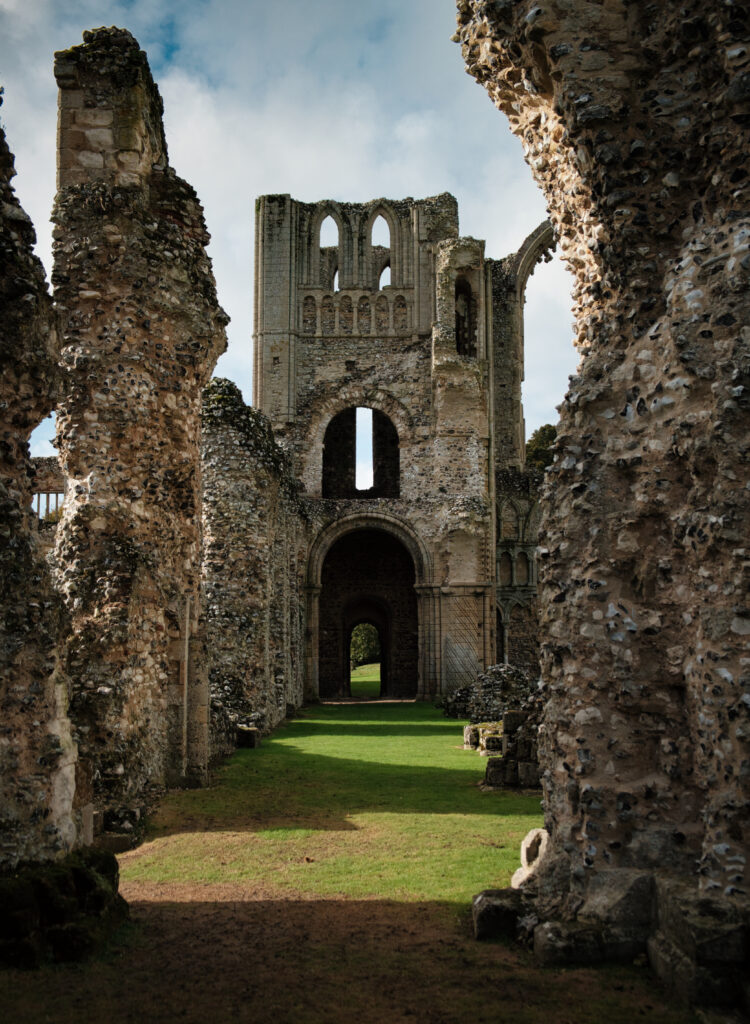
    Castle Acre Priory is a jewel of medieval architecture in Norfolk. It tells the story of power and piety of the Norman elite following the conquest of England in 1066.

    The story of the priory begins in the early 1070s with William de Warenne, who was a Norman knight who fought alongside William I at the Battle of Hastings.

    His reward for his loyalty was lands in Lewes in Sussex and Consibrough in Yorkshire.

    William had already founded the first Cluniac monastery in Lewes, the main seat of his family. Having already built a castle at Acre in Norfolk, between 1081 and 1085 he brought a small number of monks from Lewes there and began work on a priory within the walls of his castle.

    William died in 1088, and the following year his son William II de Warenne, 2nd Earl of Surrey, granted the monks a new site within what was the castle grounds as the original site proved to be too small and inconvenient for the monks.

    The construction of the priory was slow. It was 57 years before the church was consecrated, and a further 20 years before the west end was completed.
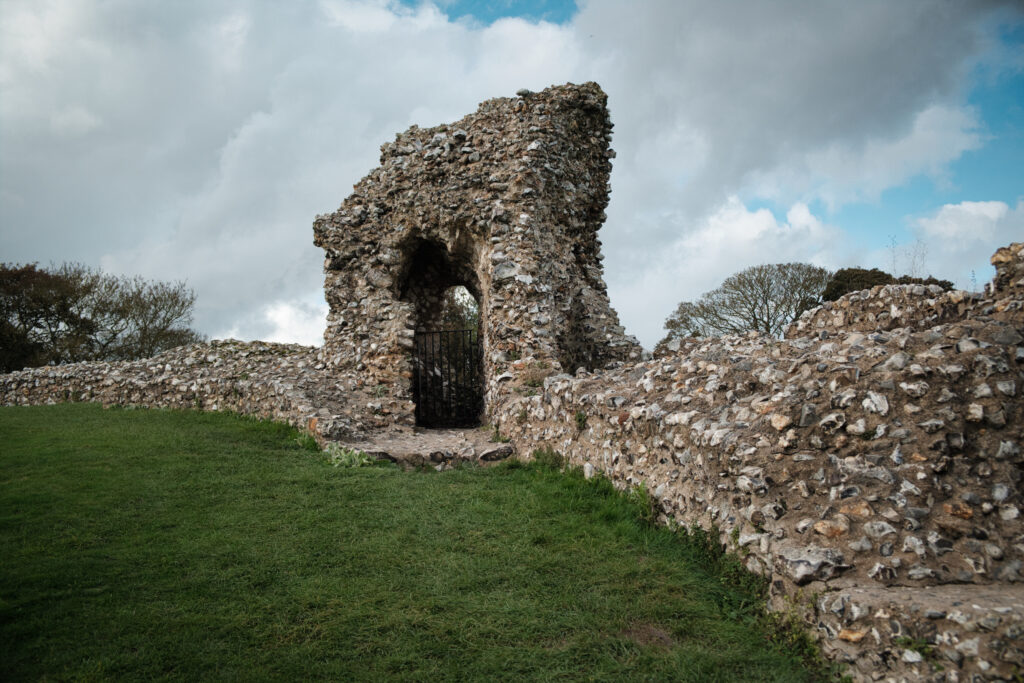
    Over the next two centuries, the priory continued to receive endowments from the de Warennes. The last of which was made by the sixth earl in 1315.

    Like many priories in England that were founded by the Cluniac and other French orders, Castle Acre suffered from restrictions and punitive taxation during the wars with France in the late 13th and 14th centuries.

    The end came, as with approximately 800 other monasteries built in England over the previous almost thousand years, from Henry VIII’s Suppression of the Monasteries in the late 1530s.

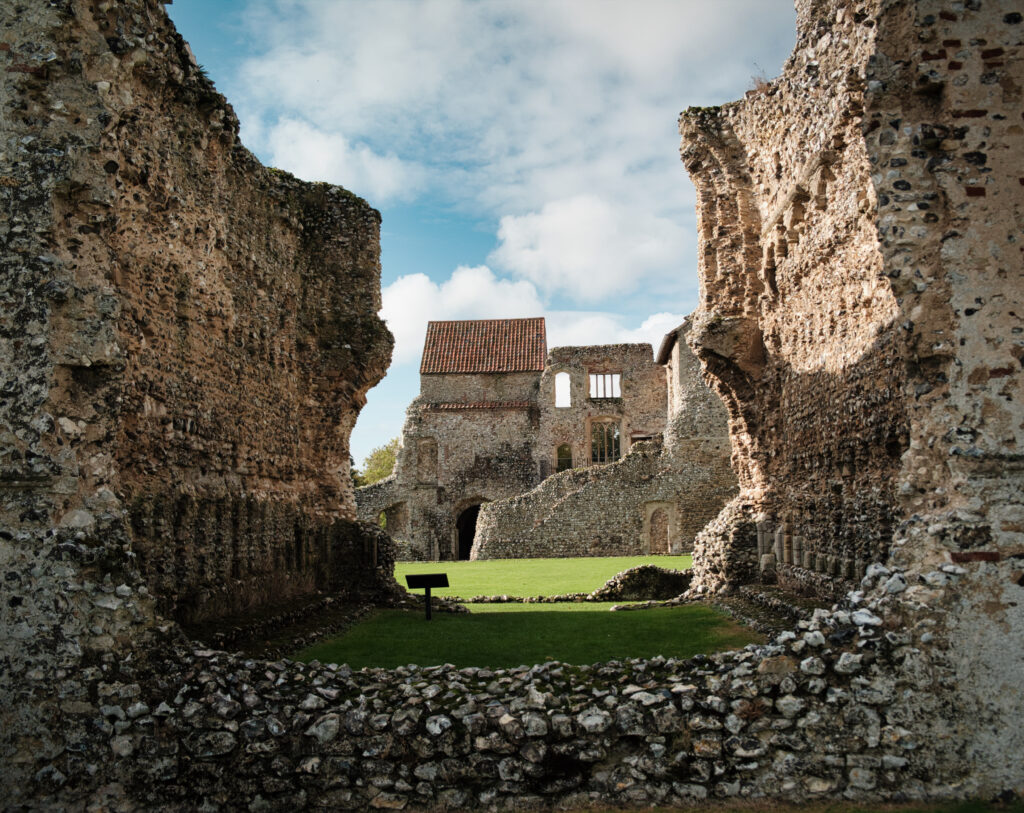
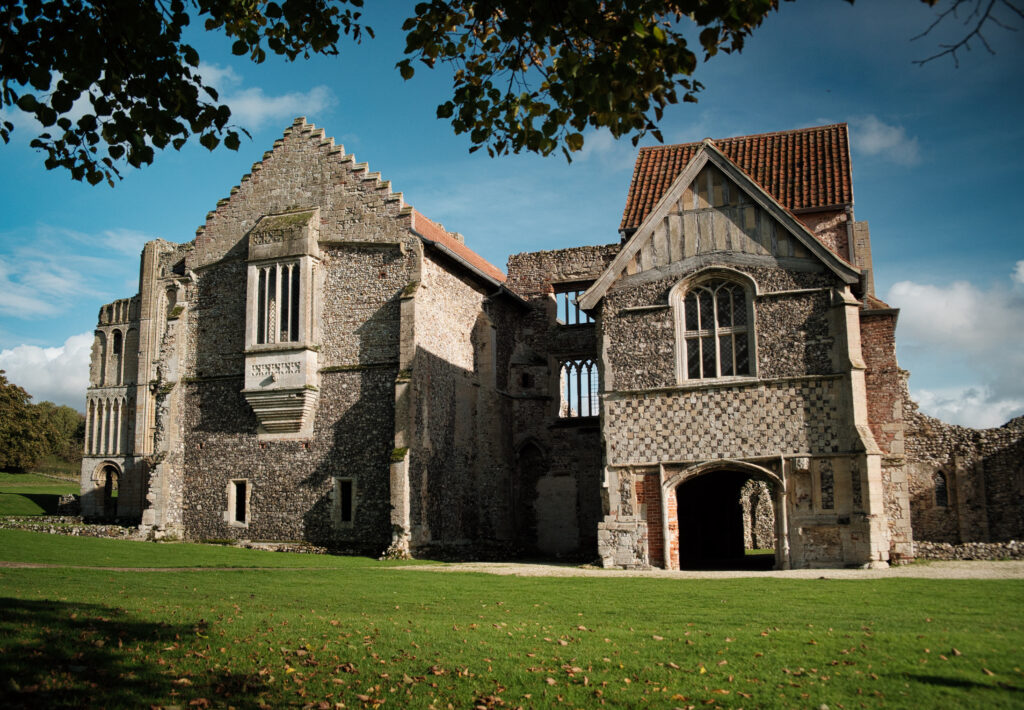
    Much of the church was immediately demolished. The site and surrounding lands were leased to John Howard in 1558. Around this time the monastic buildings were also being dismantled. Only the prior’s lodging was saved – it remained in use as a house well into the 17th century.

    The site is maintained by English Heritage. If you visit, make sure you also visit Castle Acre Castle, less than a mile away in the village which took its name.

  • Castle Acre Castle

    Castle Acre Castle

    Castle Acre Castle is located in Norfolk, just a few miles north of the town of Swaffham.

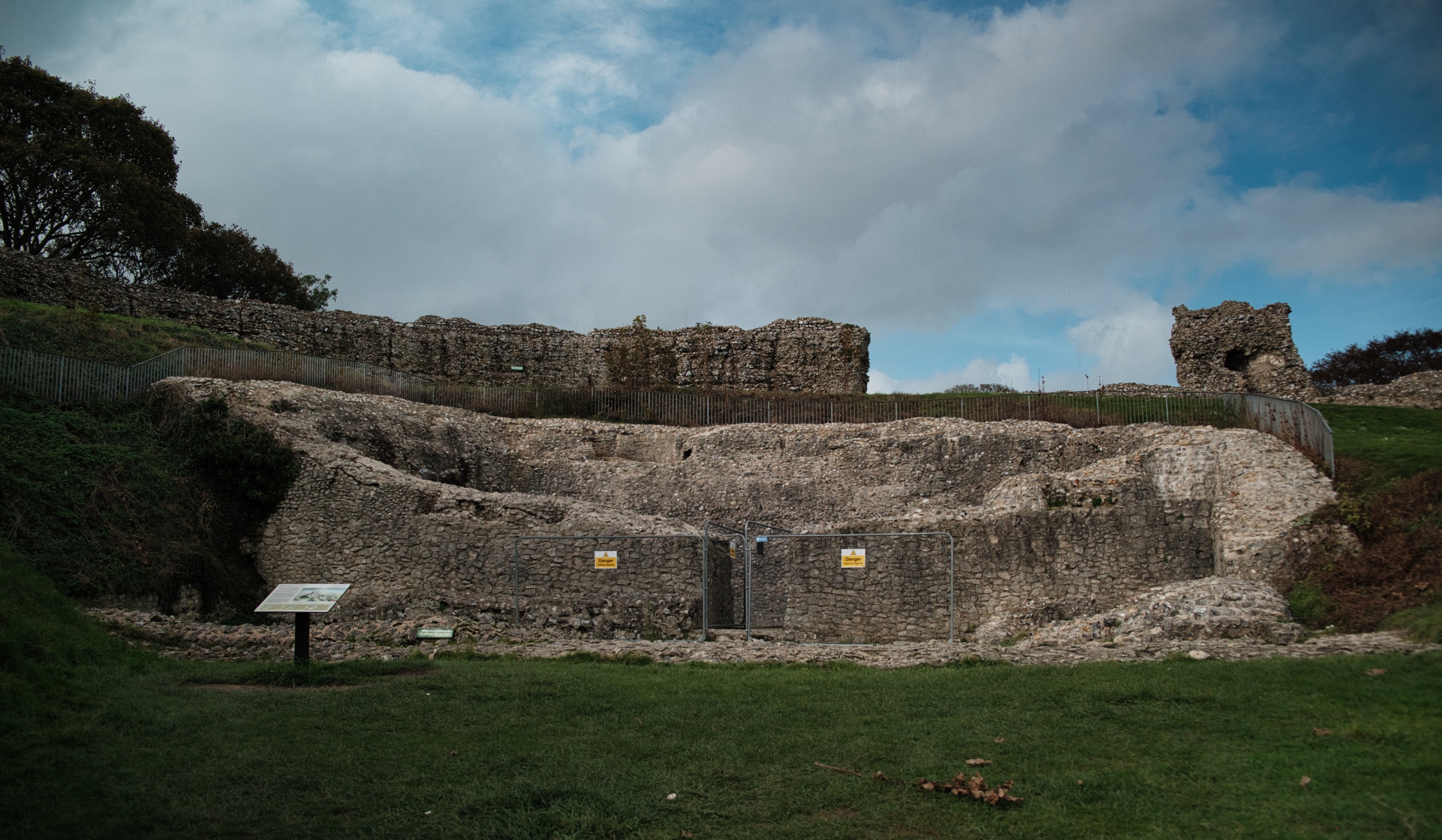
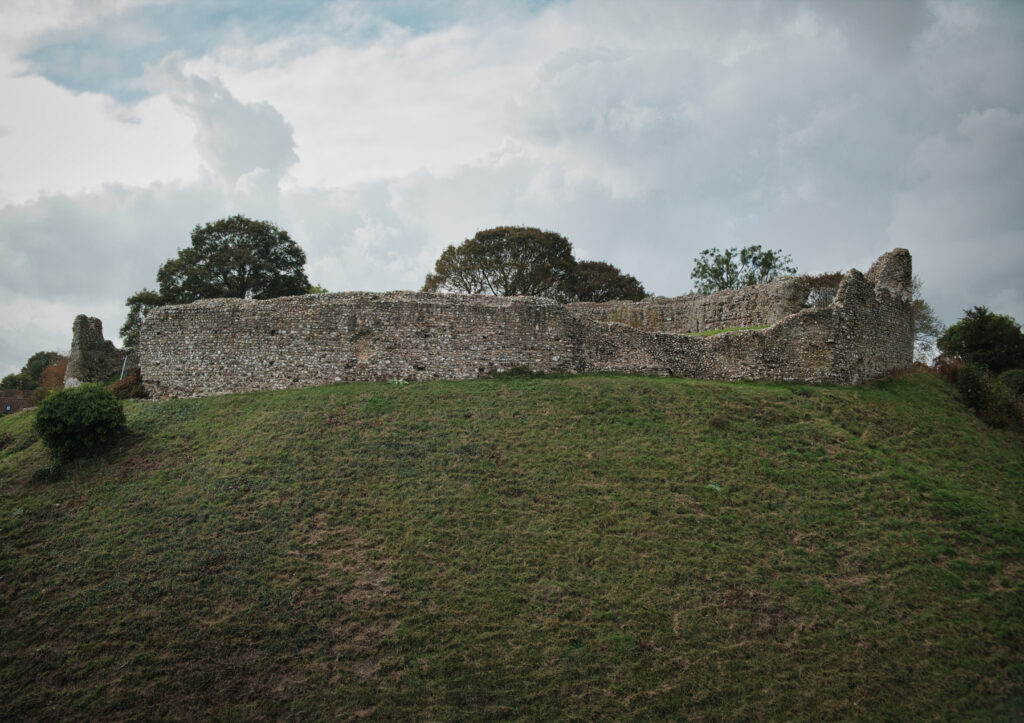
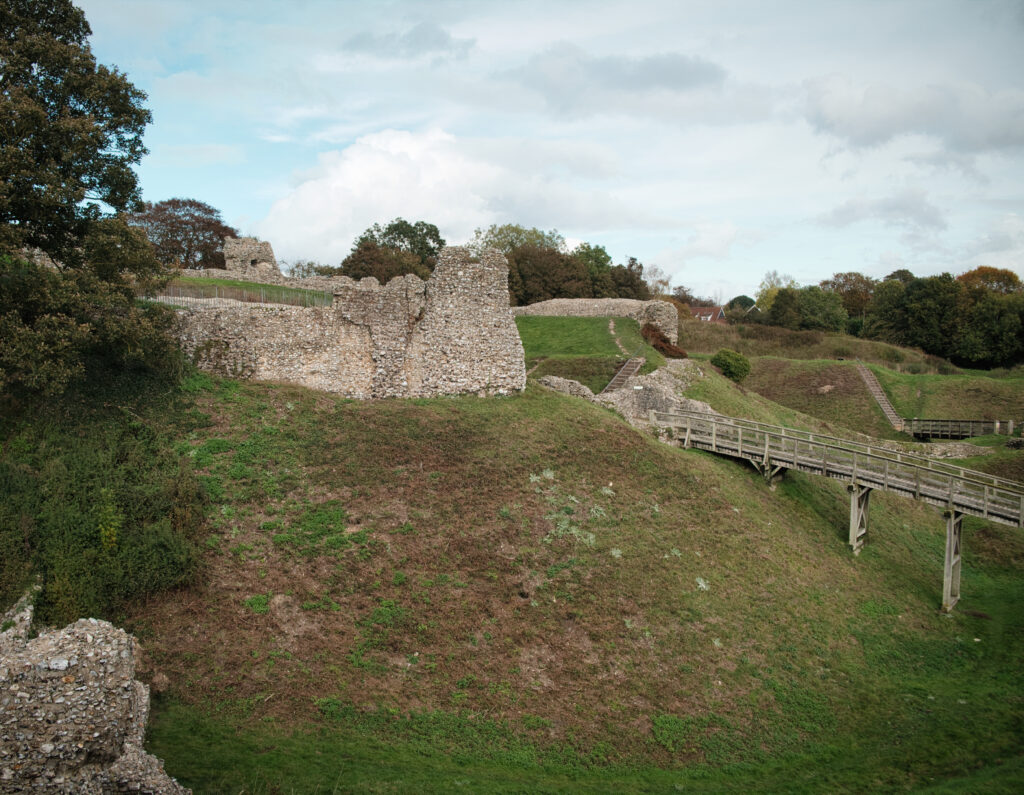
    Whilst not much of the castle keep exists beyond the foundations, the inner bailey wall is still an impressive structure, as are the earthworks of the outer bailey.

    The castle dates back to the 1070s, and was built by William de Warenne, Earl of Surrey, who was a Norman knight who fought alongside William the Conqueror at the Battle of Hastings.

    His reward for his endeavours was lands in Lewes in Sussex, Conisbrough in Yorkshire and Acre in Norfolk.

    The original structure was likely a timber motte and bailey castle.

    After the civil war broke out in 1135 (known as ‘The Anarchy’) the third earl, also called William, began to reinforce the castle, adding walls around the bailey, and starting to construct a stone keep.

    Soon after the castle was built, a small order of Cluniac monks were given the small church which was built in the outer bailey. The second earl granted them more lands, and a priory was founded a short distance from the castle. Check out my page covering the priory here.

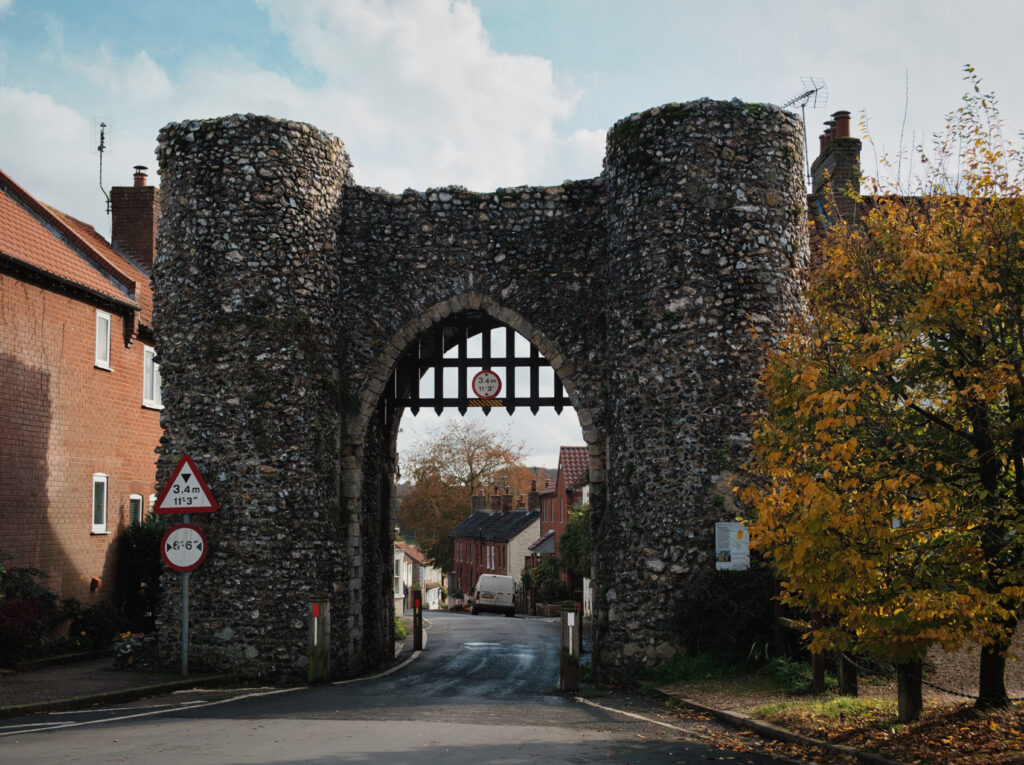
    A planned settlement was formed next to the castle, surrounded by its own earthworks. The north gate of these defences can still be seen in the village.

    The castle remained in the hands of the de Warennes until 1347 when it passed to Richard Fitzalan, the Earl of Arundel. However, fifty years later the fortifications were in ruins.

    The settlement built within its defences remained, but was not large enough to become a borough, however the Priory did prosper – up until the Dissolution of the Monasteries, when it suffered the same fate as other ecclesiastical establishments.

    Thomas Howard, the Duke of Norfolk, leased the ruins of the castle and the priory after 1537. Eventually the estate was bought in 1615 by Sir Edward Coke, a prominent lawyer. It remained in his family until 1971, when it was placed in the guardianship of the state.

    Castle Acre Castle is managed by English Heritage, and is free to enter. It is highly recommended to pair a visit with the Priory, which has extant stunning medieval architecture, and expansive ruins to explore.

  • Castle Rising Castle

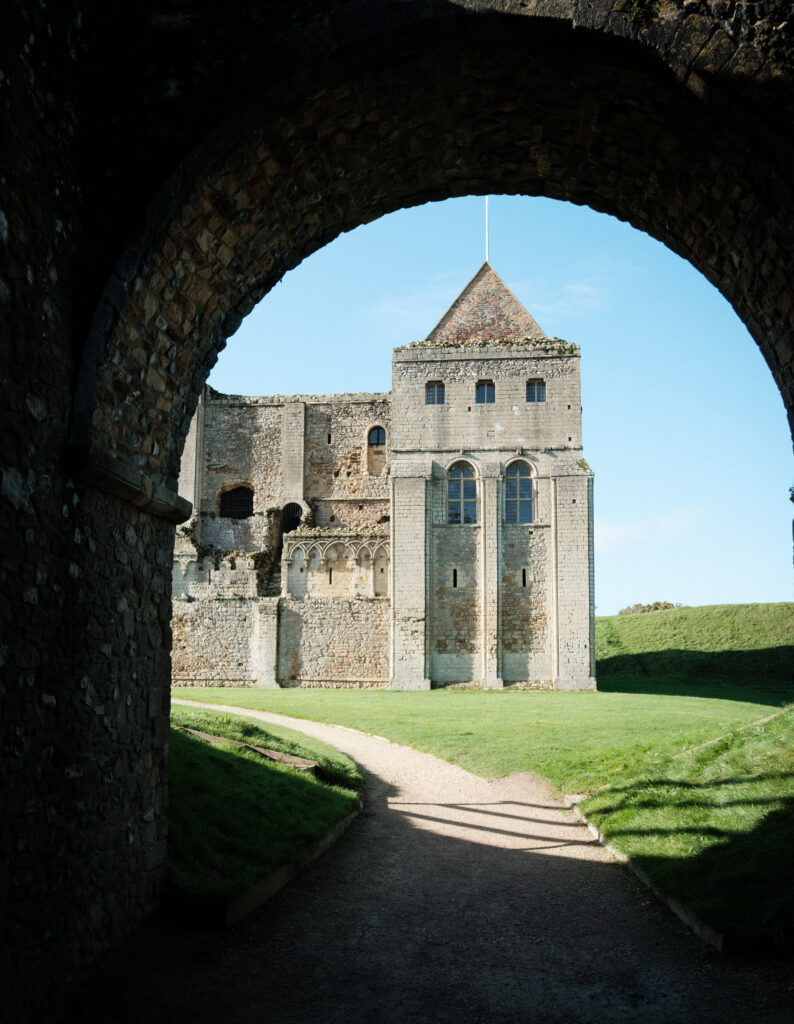
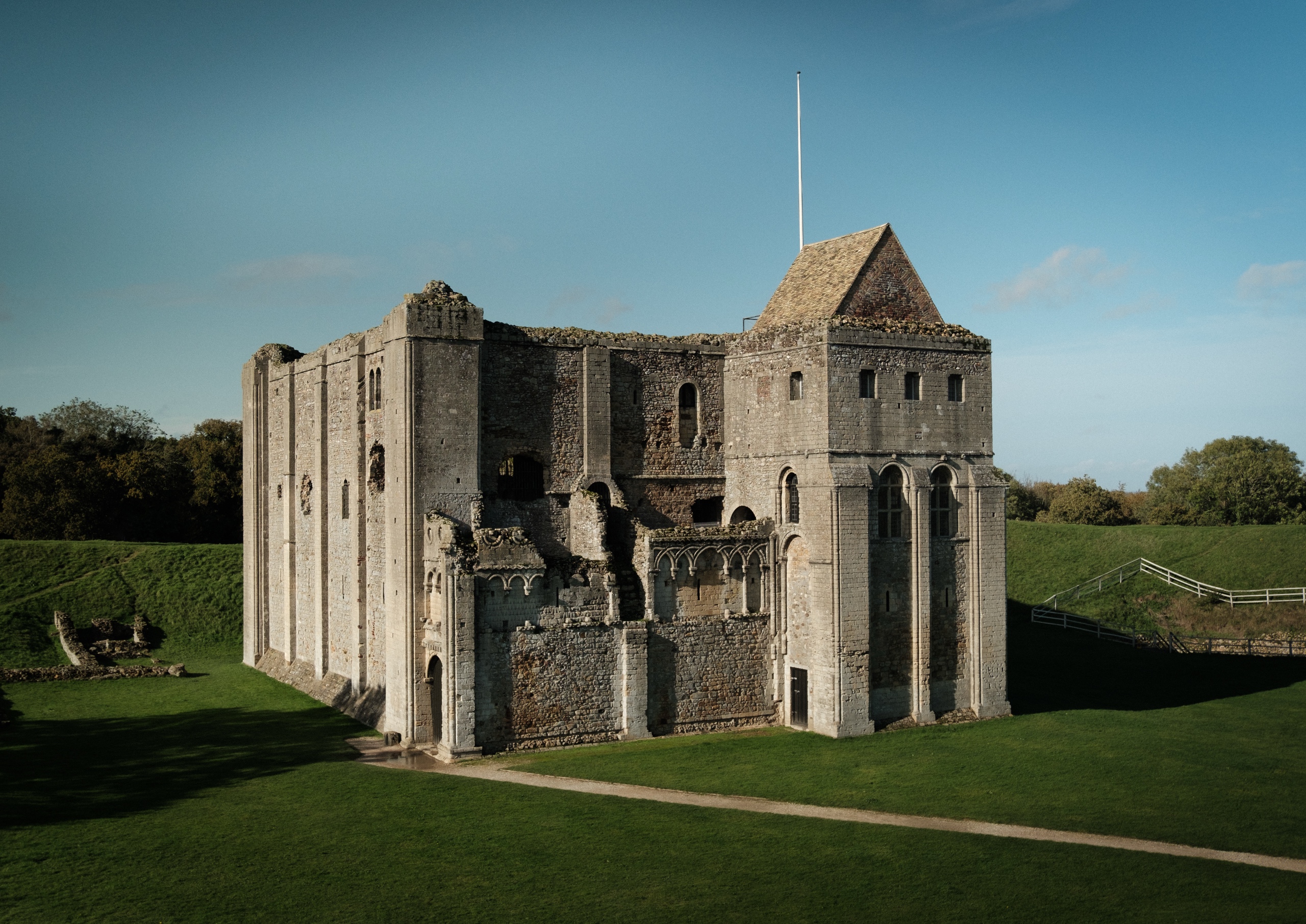
    A few miles north east of King’s Lynn in Norfolk sits Castle Rising Castle. The highlight is the imposing keep, surrounded by an impressive earthwork creating an inner Bailey.

    Although the earthworks are impressive, it was not built as a defensive castle, but rather as a palatial hunting lodge with a surrounding deer park.

    The inner bailey also encloses an early Norman church, which pre-dates the castle.

    There is a large car park on site.

    For more information on the castle’s history and a tour of the castle, please watch our video above.

    Details for visiting the castle can be found here.

  • Walsingham Priory

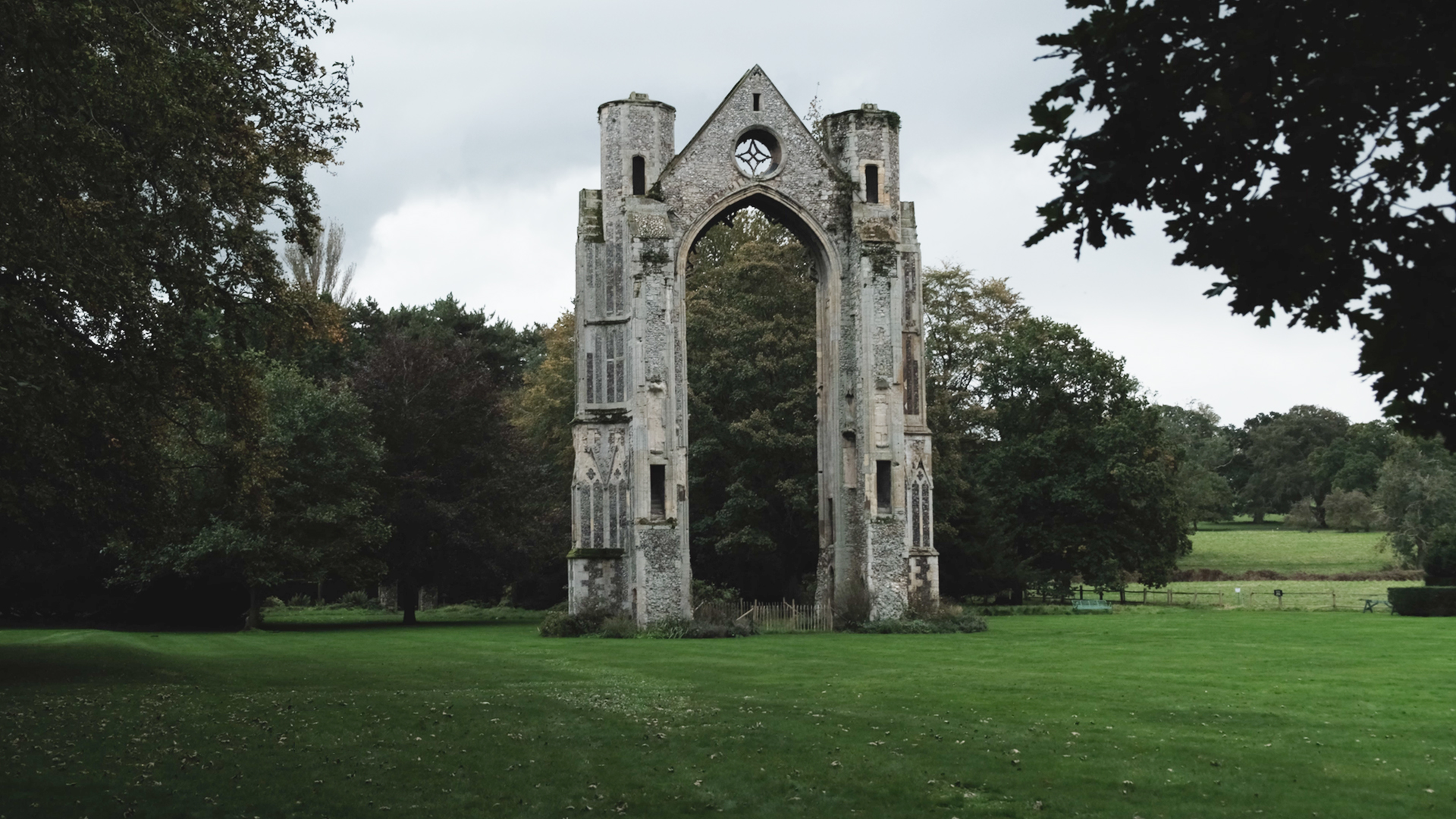
    A few miles from the sea on the north Norfolk coast stand the remains of a site of pilgrimage.

    For, in 1061, the lady of the manor, Richeldis de Faverches, had a series of visions of the Virgin Mary, who showed her the house in Nazareth where the angel Gabriel made his revelation of the forthcoming birth of Jesus. Mary asked Richeldis to build a replica of the holy house at the manor in Walsingham.

    It was founded at the time of the Crusades when it was impossible to visit the Holy Land, instead English Christians were able to visit their own version of Nazareth without leaving their country. Walsingham became the premier shrine to Our Lady and around it grew a large monastery.

    Less than one hundred years later, the Augustinian Priory of the Annunciation of the Blessed Virgin Mary was established next to the holy house.

    We parked in Mill Car Park, and took the short walk through the village to the Priory.

    For visitor details, please visit https://www.walsinghamabbey.com