Category: Historic Places

Historic sites I have visited and photographed from around the UK and beyond

  • Thetford Priory

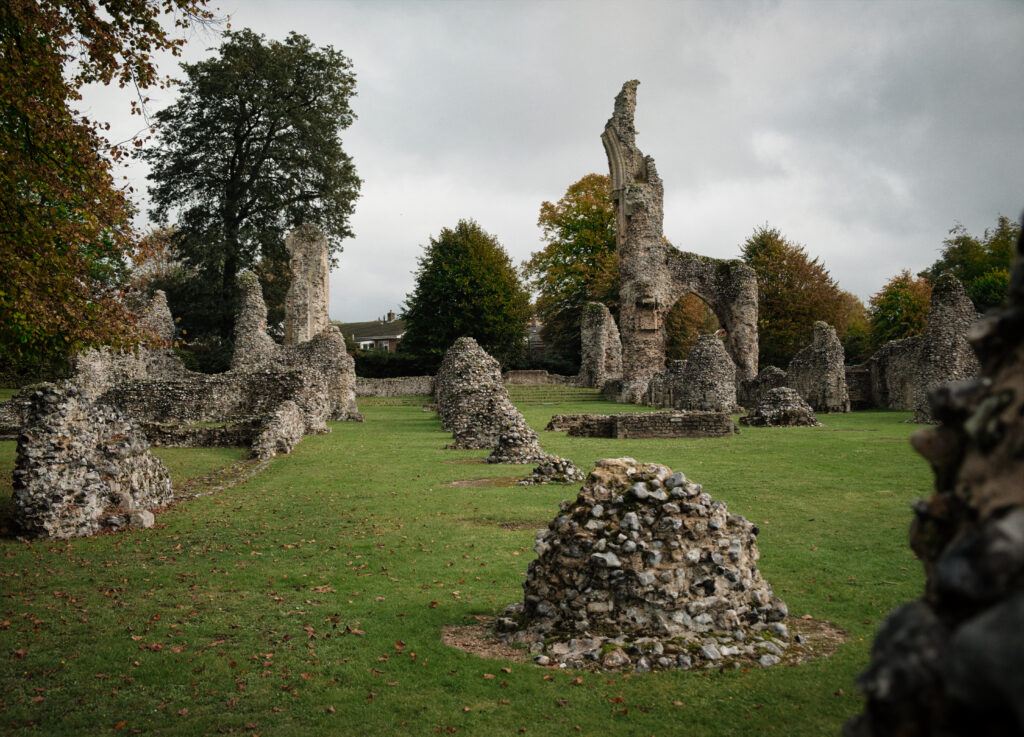
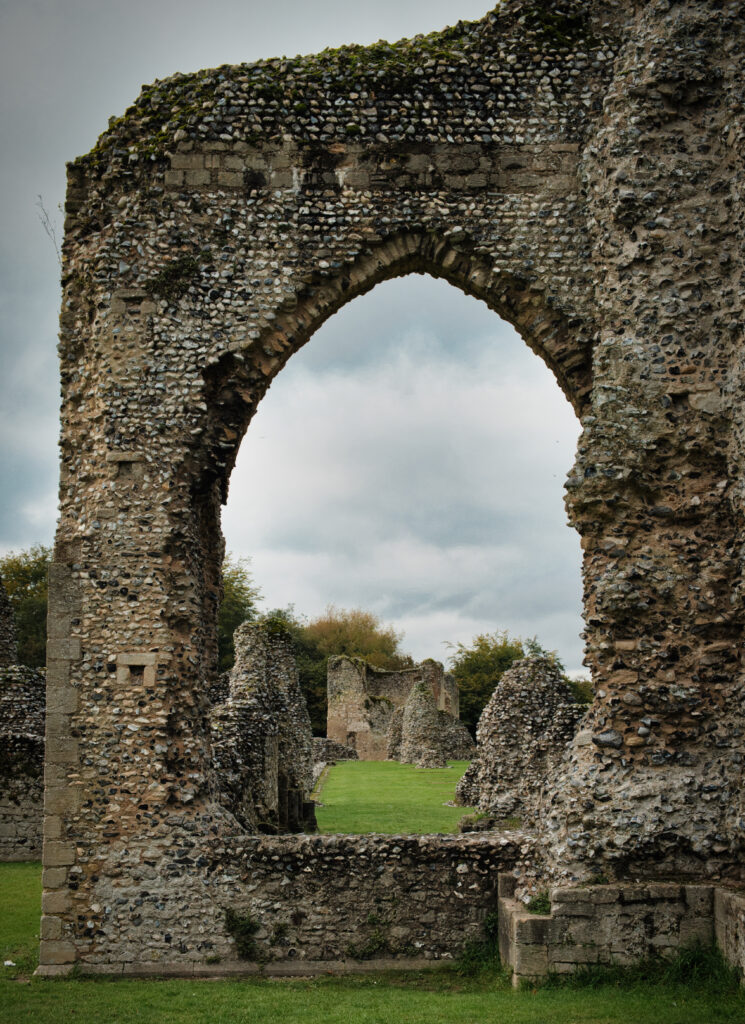
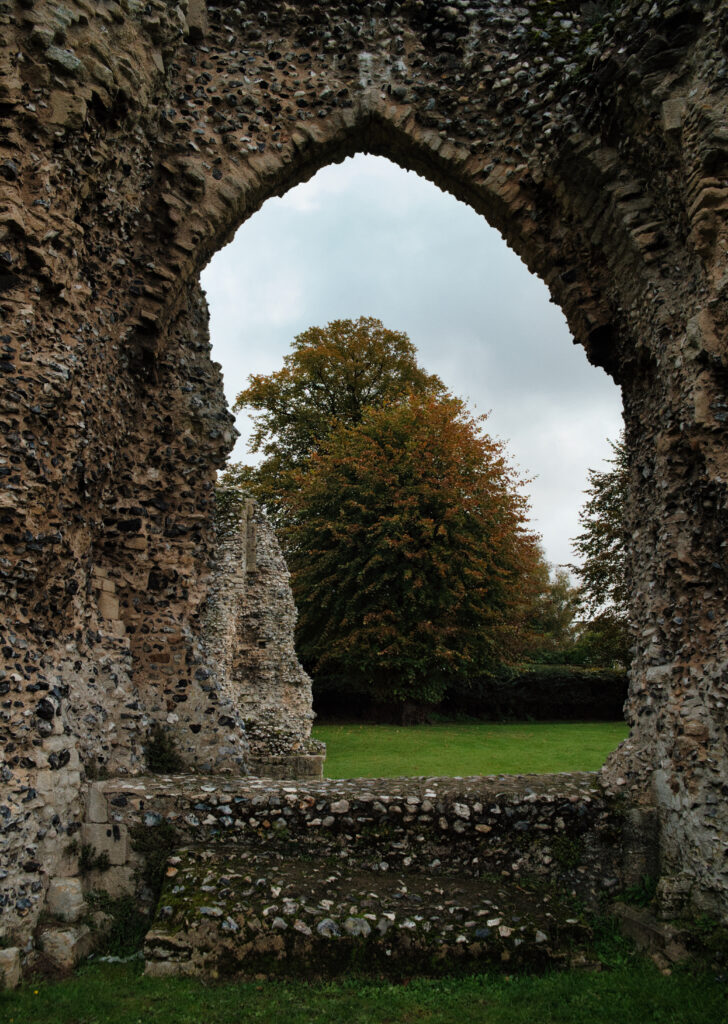
    Thetford Priory

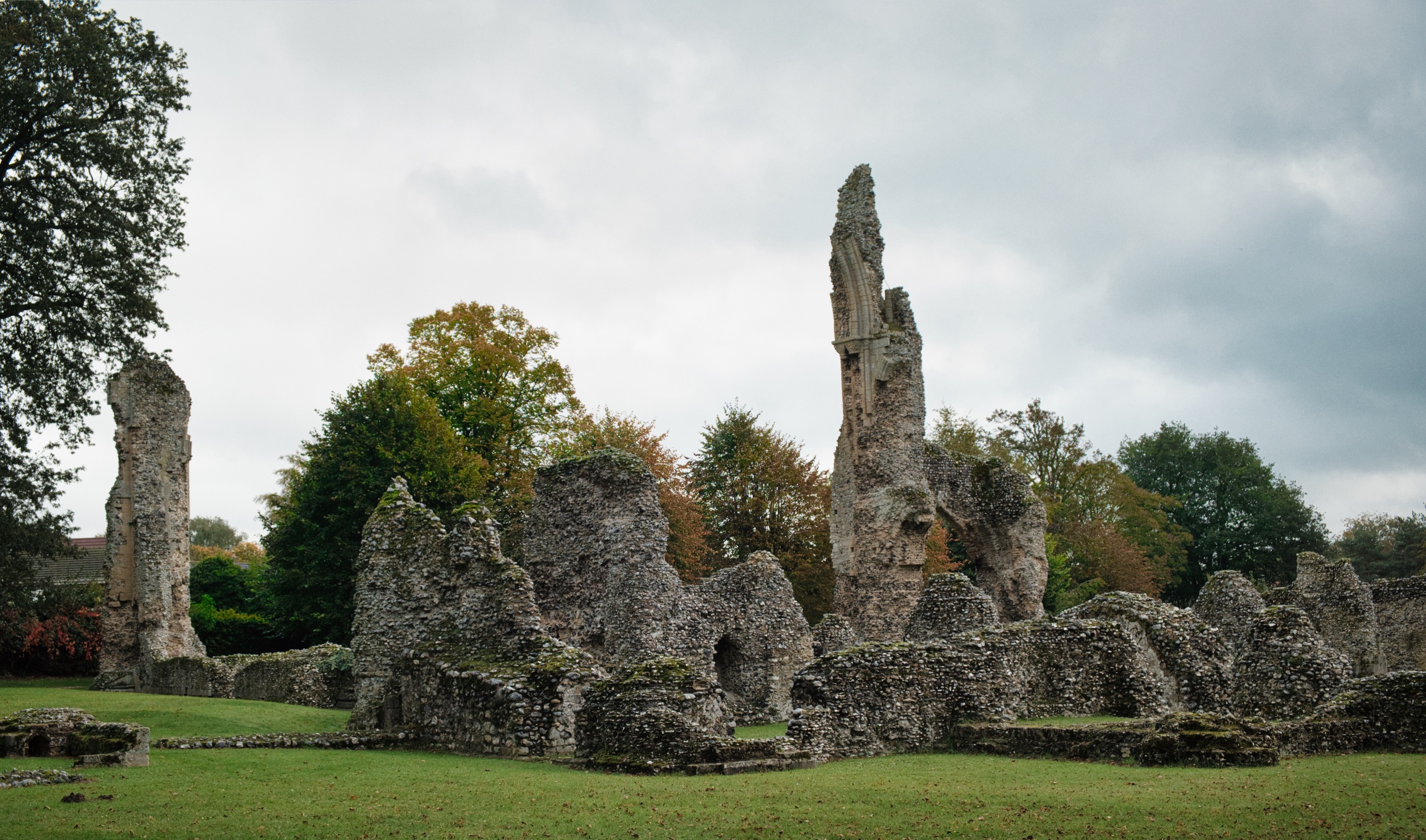
    The story of Thetford Priory starts in the early 12th century, when a Norman knight, Roger Bigod, who was involved in the conquest of Britain, founded the priory under the umbrella of Cluny Abbey in France.

    The priory sits on level ground on the banks of the Little Ouse river, just outside what would have been the extent of the town at the time.

    From the mid-13th century the priory church housed a statue of the Blessed Virgin which was believed to work miracles, and as such it became a popular object of pilgrimage.

    This made the Priory extremely rich, and enabled it to expand and rebuild parts of the church at an even greater scale.

    An impressive new gatehouse was also built in the 14th century.

    You might think that a place of solitude and contemplation would be the last place you would witness a murder. However, in 1248 a notorious and lecherous prior of Thetford called Stephen was stabbed during a quarrel with one of his monks. He died just outside the great west door of the church.

    On the death of the last Roger Bigod in 1306, the family’s Norfolk estates passed to the Crown and then to the Dukes of Norfolk.

    As with other abbeys and priories in the 16th century, Thetford was threatened with dissolution.

    In 1536, the staunchly Catholic 3rd Duke of Norfolk petitioned Henry VIII to convert it into a college of secular canons. His claim was that he was preparing for not only his tomb, but that of Henry’s own illegitimate son Henry Fitzroy, Duke of Richmond, to be installed in the priory church.

    A formal complaint was also raised by the Mayors and burgesses of Thetford to Thomas Cromwell in 1539, arguing that many of the town’s inhabitants would fall into extreme poverty because their livelihoods depended on pilgrims visiting the priory. 

    Both petitions failed, and the last prior and 16 monks surrendered to the king’s commissioners on 16 February 1540.

    The Priory was left to ruin, all apart from the Priors’ Lodging which continued to be occupied as a house for another 200 years, with further alterations being made to it – which can be seen in the variety of different window designs within the structure.

    By 1820 this too was in ruins.

    Thetford Priory is maintained by English Heritage, and is free to visit. There is a very small car park in Water Lane (probably only enough for 3-4 cars) – we were lucky enough to get a space on our visit, but had planned to use the car park in the town, which is only a few minutes walk away.

    You can find information on visiting and directions from the English Heritage website.

    Please do watch our video below for a quick tour of the ruins!
  • Mount Grace Priory

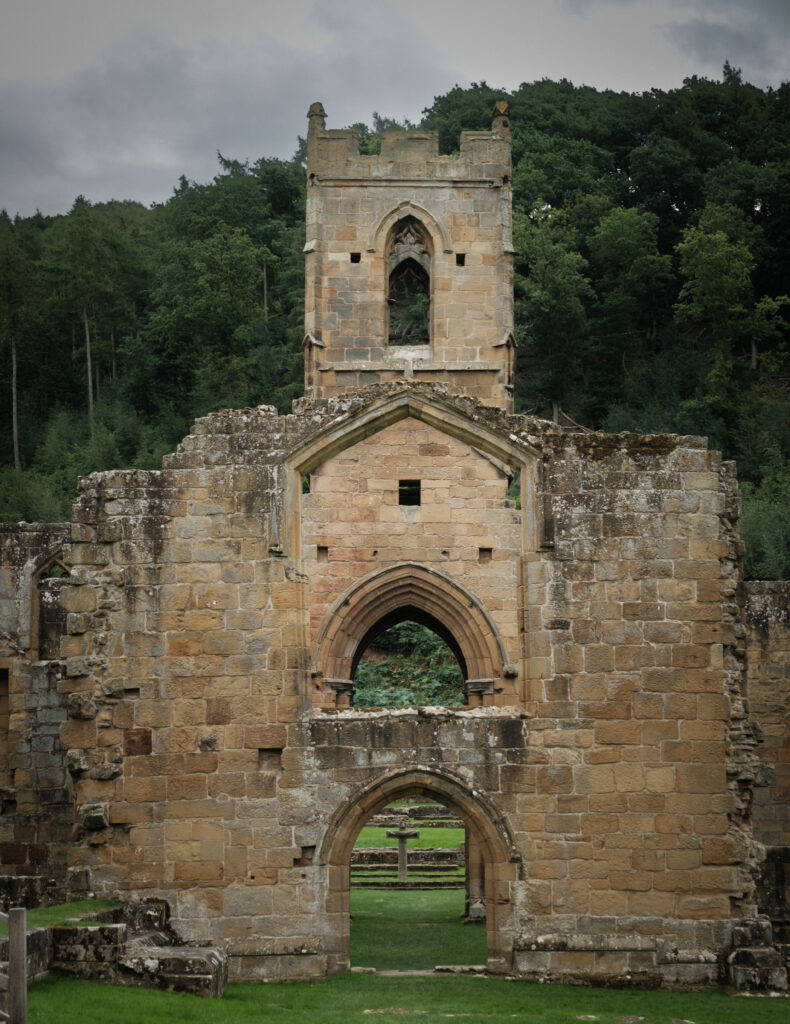
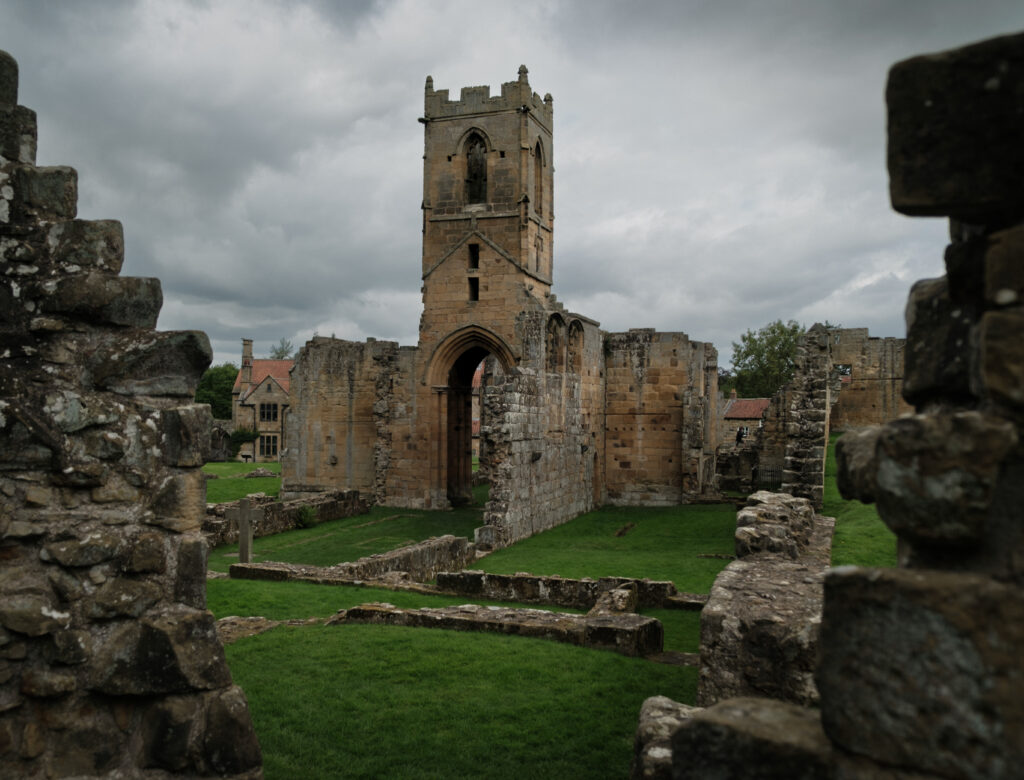
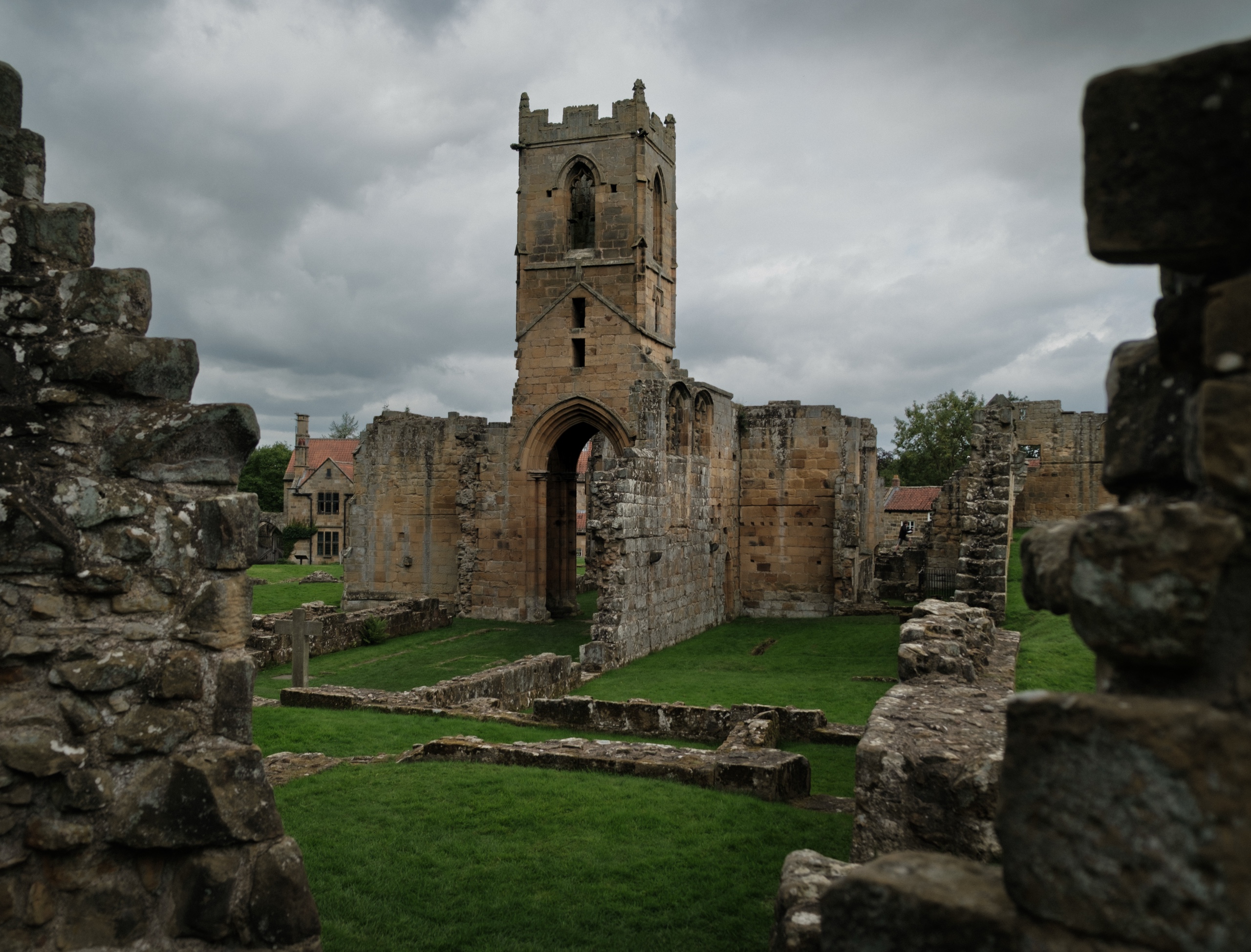
    Set on a wooded hillside in the North York Moors National Park, Mount Grace was founded in 1398 as a Charterhouse.

    As well as the ruins of the Priory Church, the highlight of the site is the Prior’s Cells arranged around the cloister. One of these has been recreated, and gives a unique insight of daily life for the monks who lived and worked there.

    You can see a tour of the Priory, detailing its history in the video at the top of this page.

    For details on visiting Mount Grace Priory, click here.

  • Easby Abbey

    Easby Abbey

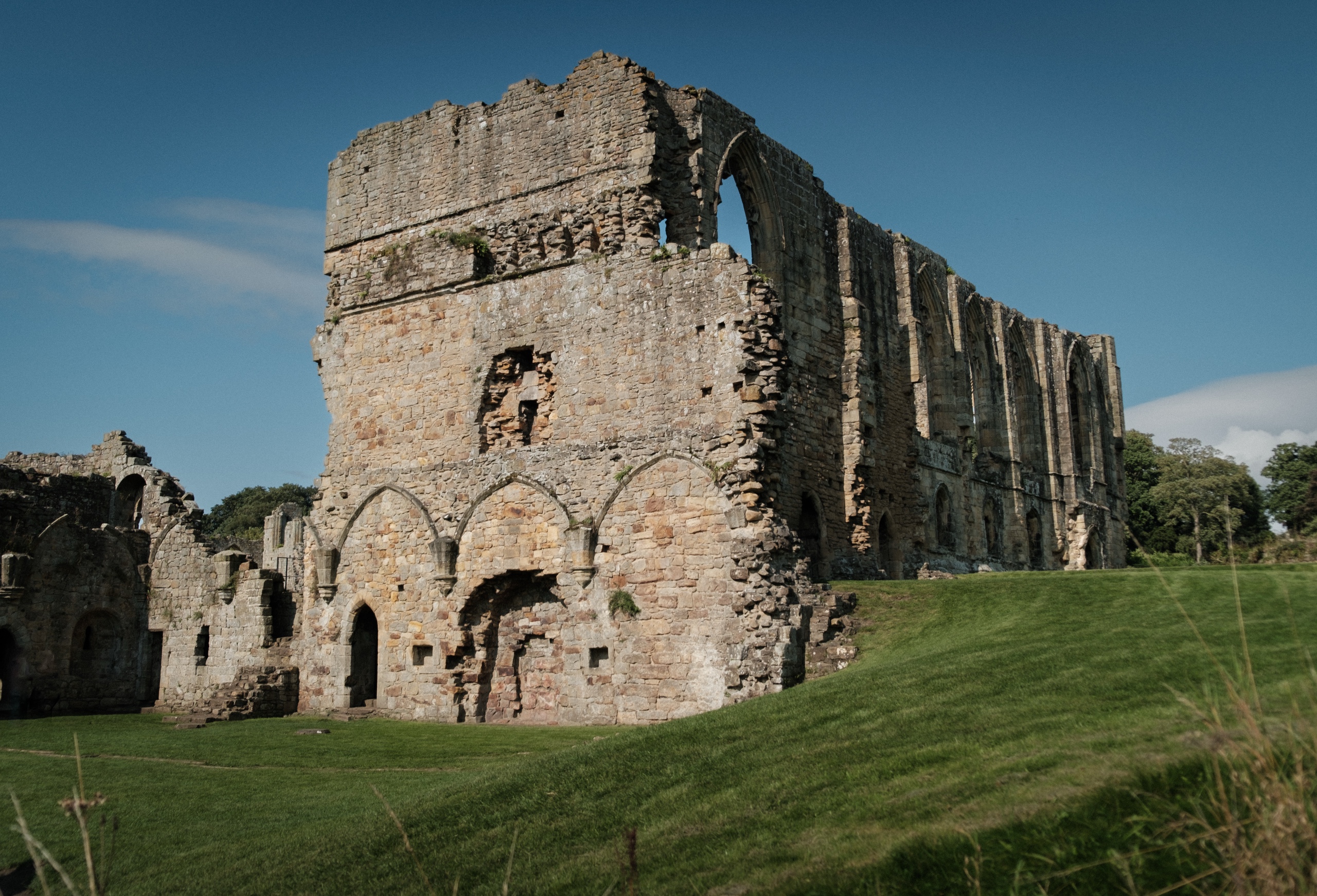
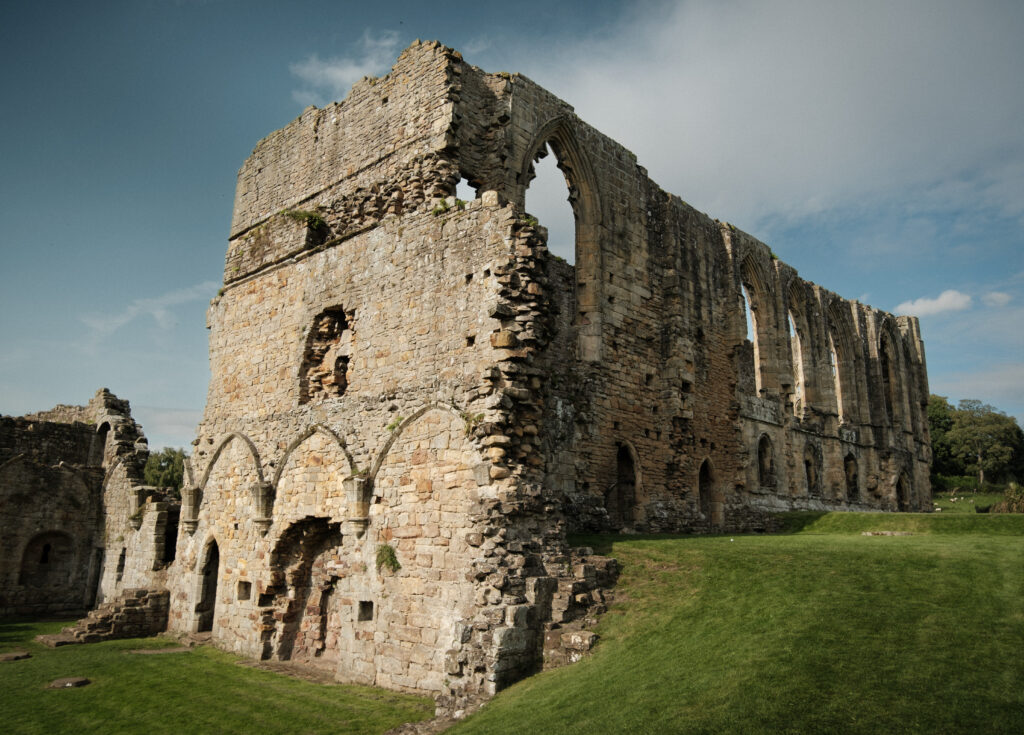
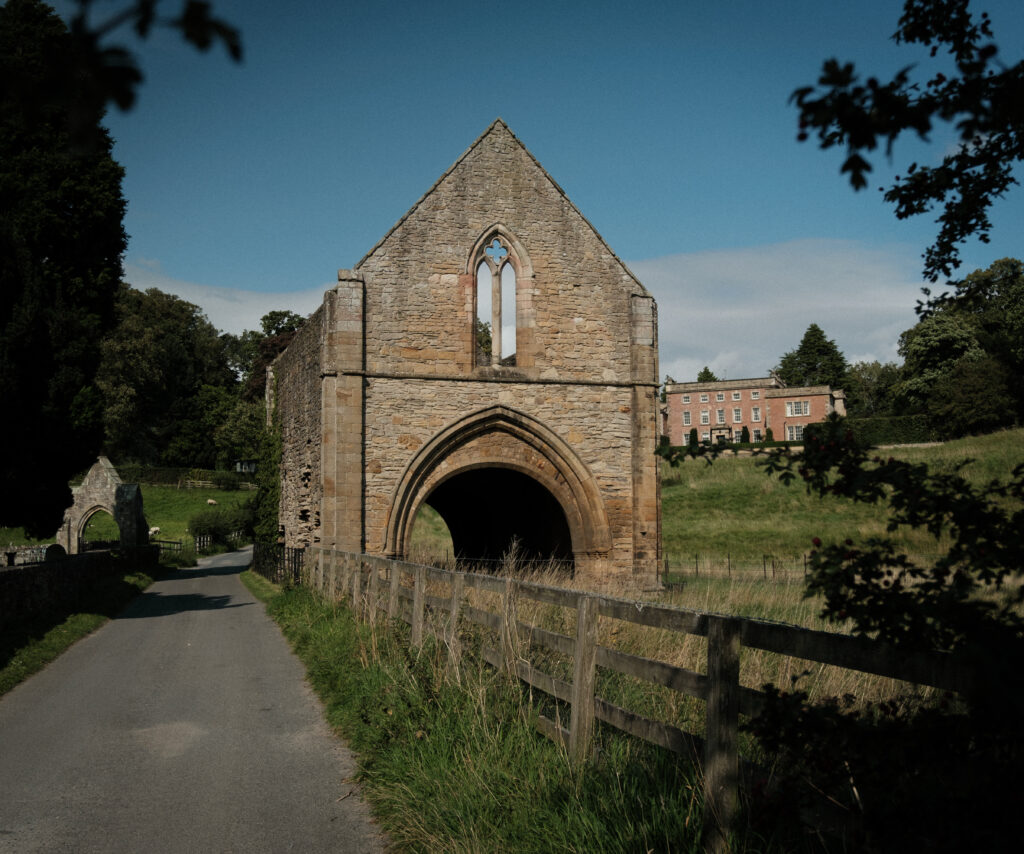
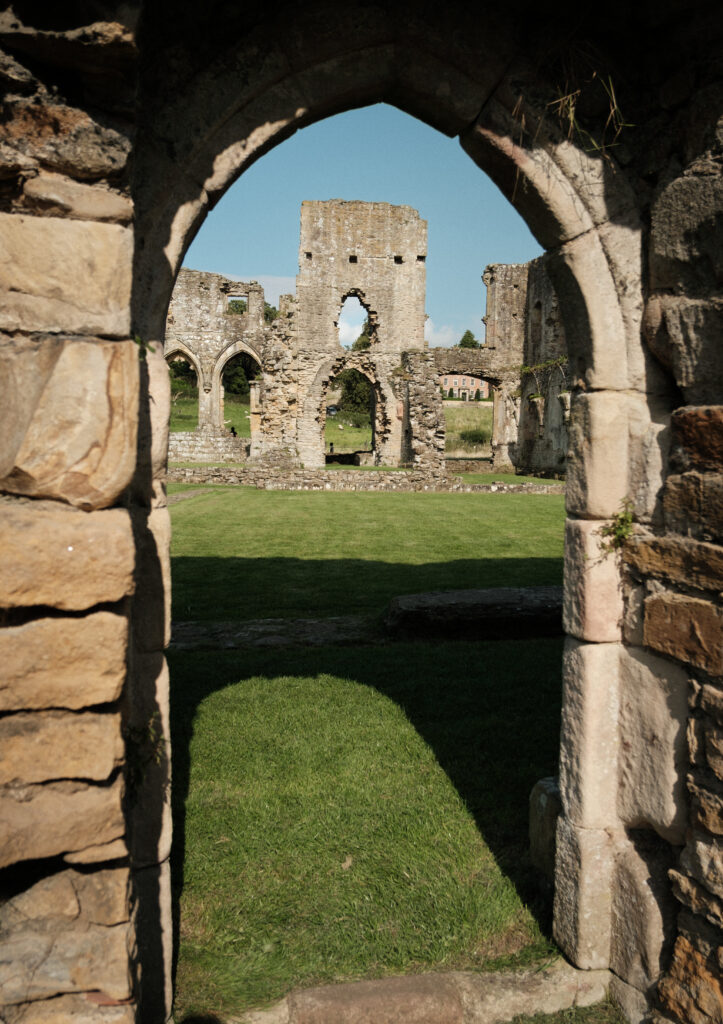
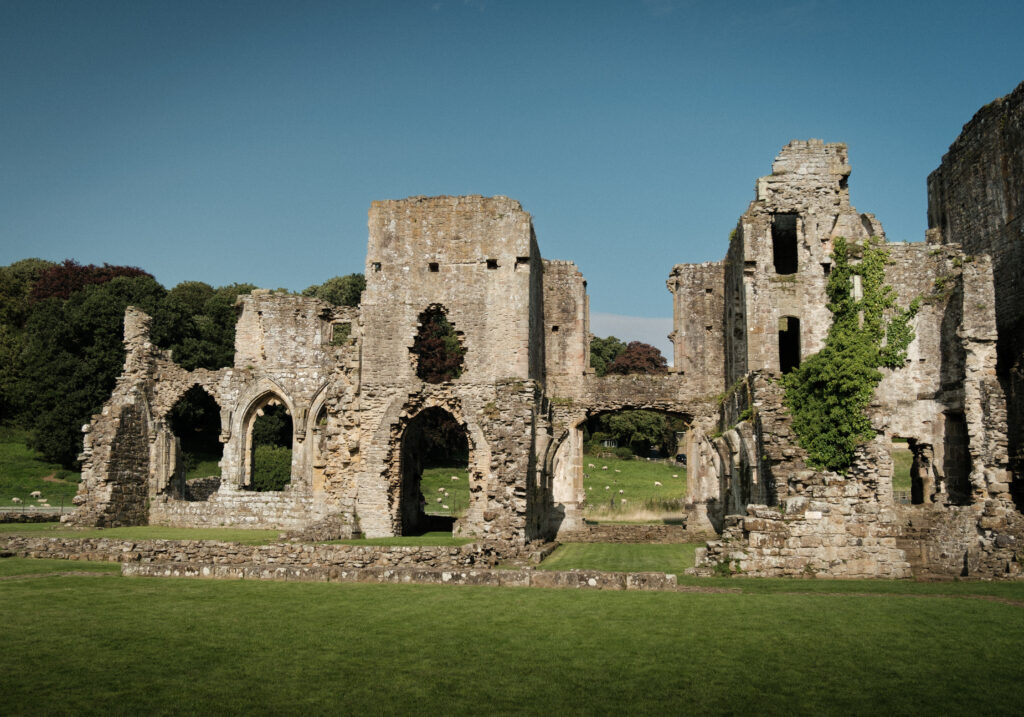
    Just outside the town of Richmond in North Yorkshire sits Easby Abbey, a wonderfully preserved (in places!) Premonstratensian monastery.

    The abbey of St Agatha was founded in about 1152 by Roald, who was the constable of nearby Richmond. It was a Premonstratensian monastery, only the third such house to be founded in England.

    Roald granted a modest new endowment of land to Easby, in addition to the assets of the existing minster community. Easby’s endowment rose slowly over the centuries.

    The abbey owned flocks of sheep from a very early stage, and sheep farming seems to have been one of its main means of support.

    For more on the history of Easby Abbey, please watch our video tour, at the top of this page.

    When visiting Easby Abbey there is a small car park on site, but only room for around ten vehicles. Alternatively, you could try a pleasant 30 minute walk from The Station at Richmond.

    The site is managed by English Heritage, and it is free to enter. It would make a great day of exploring combining the Abbey with a visit to the imposing Richmond Castle.

    Visitor details from English Heritage are here.

  • St Martin’s Kirk & the Nunnery of St Mary

    St Martin’s Kirk & the Nunnery of St Mary

    St Martin's Kirk

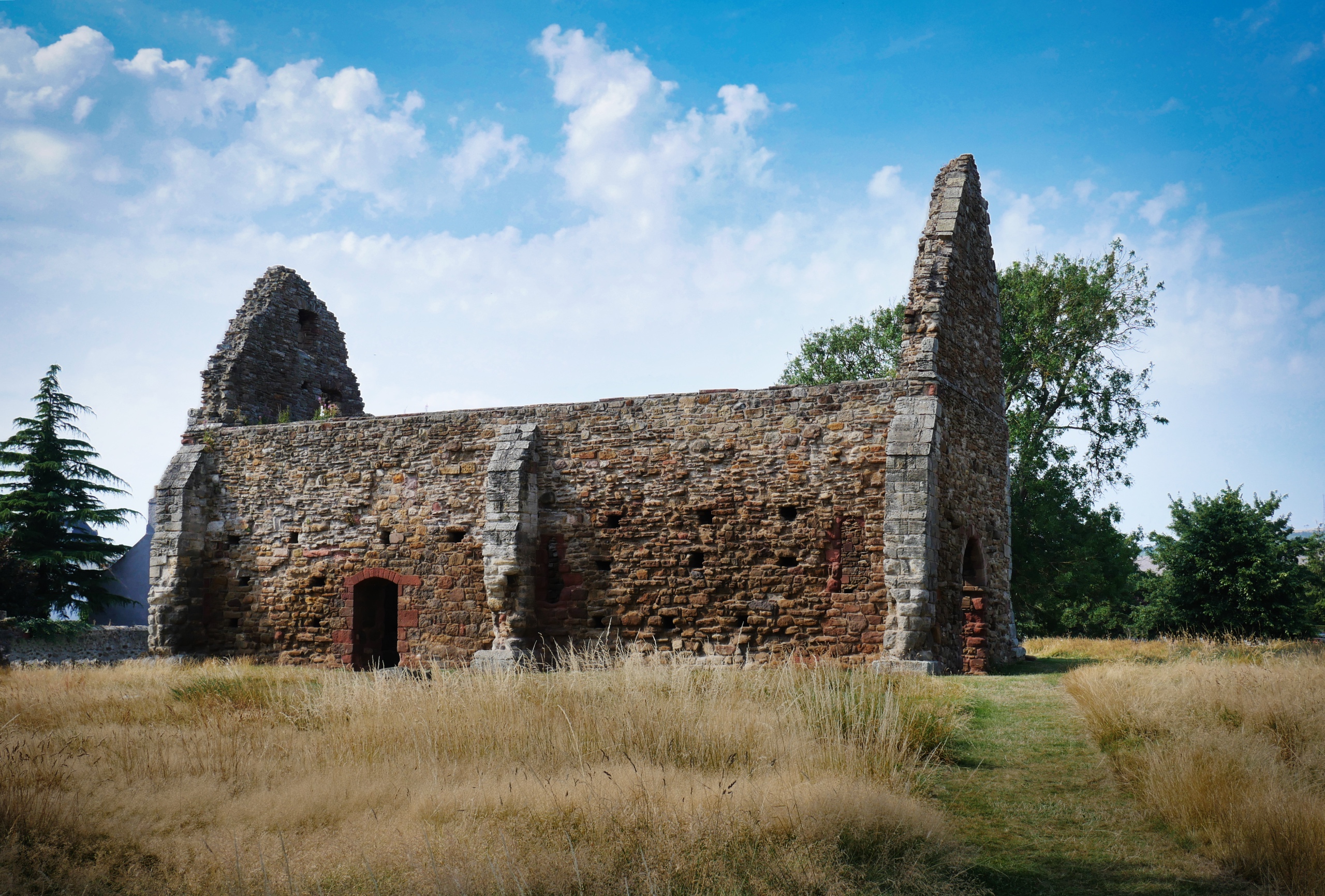
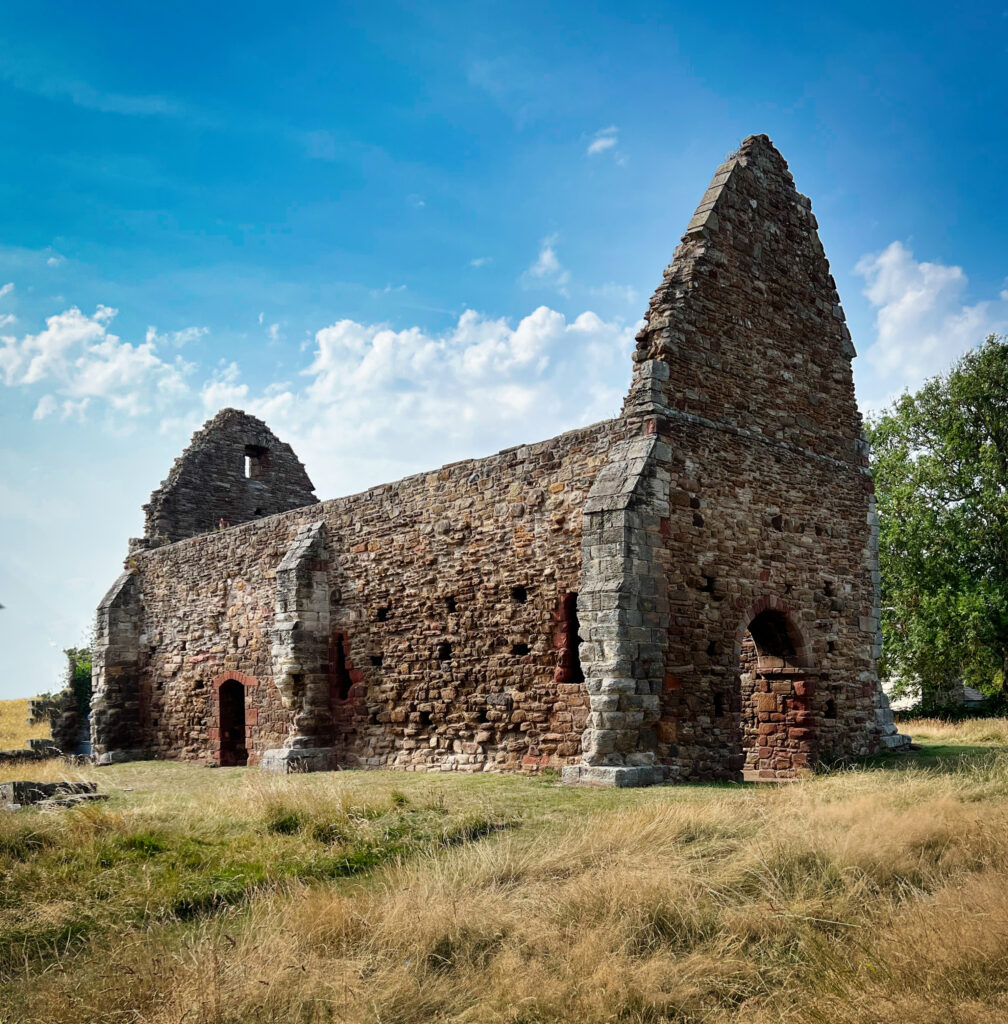
    Whilst touring Scotland, we came across a ruined Church, on the edge of the town of Haddington in East Lothian.

    We took some video and a few photos, but put them into our archive, as there was not enough content to produce a video for the channel.

    A while later, reviewing the photos, we noticed on a snap of the inside of the north wall a small information plaque.

    The plaque informed us that the church was built in the early 12th century for the use of the population of Haddington as well as the Nunnery of St Mary. This got us intrigued. Where was this nunnery?

    We set about some internet research and eventually found the location based on the clues on the plaque. Using the side-by-side maps feature on the National Library of Scotland website, we quickly established that nothing remains of the nunnery, apart from a picturesque bridge – ‘Abbey Bridge’ – over the Tyne river.

    The nunnery was founded in 1158 by Countess Ada of Northumbria. She was the daughter-in-law of King David I, who was responsible for the foundation of many Scottish monasteries. The Countess Ada owned the town of Haddington, and selected a site with level ground on the banks of the Tyne just outside of the town.

    Despite nothing remaining above ground on the nunnery site, recent work including geophysical surveys has shed some light on the footprint of the buildings. It is said that the nunnery was the largest in the Lothian region, and was wealthy due to the endowments of the Countess.

    The video above gives some more information on the history of the nunnery, and its location, as well as a tour of St Martin’s Kirk.

    For a more detailed history of the nunnery, take a look at the website of the Haddington History Society here.