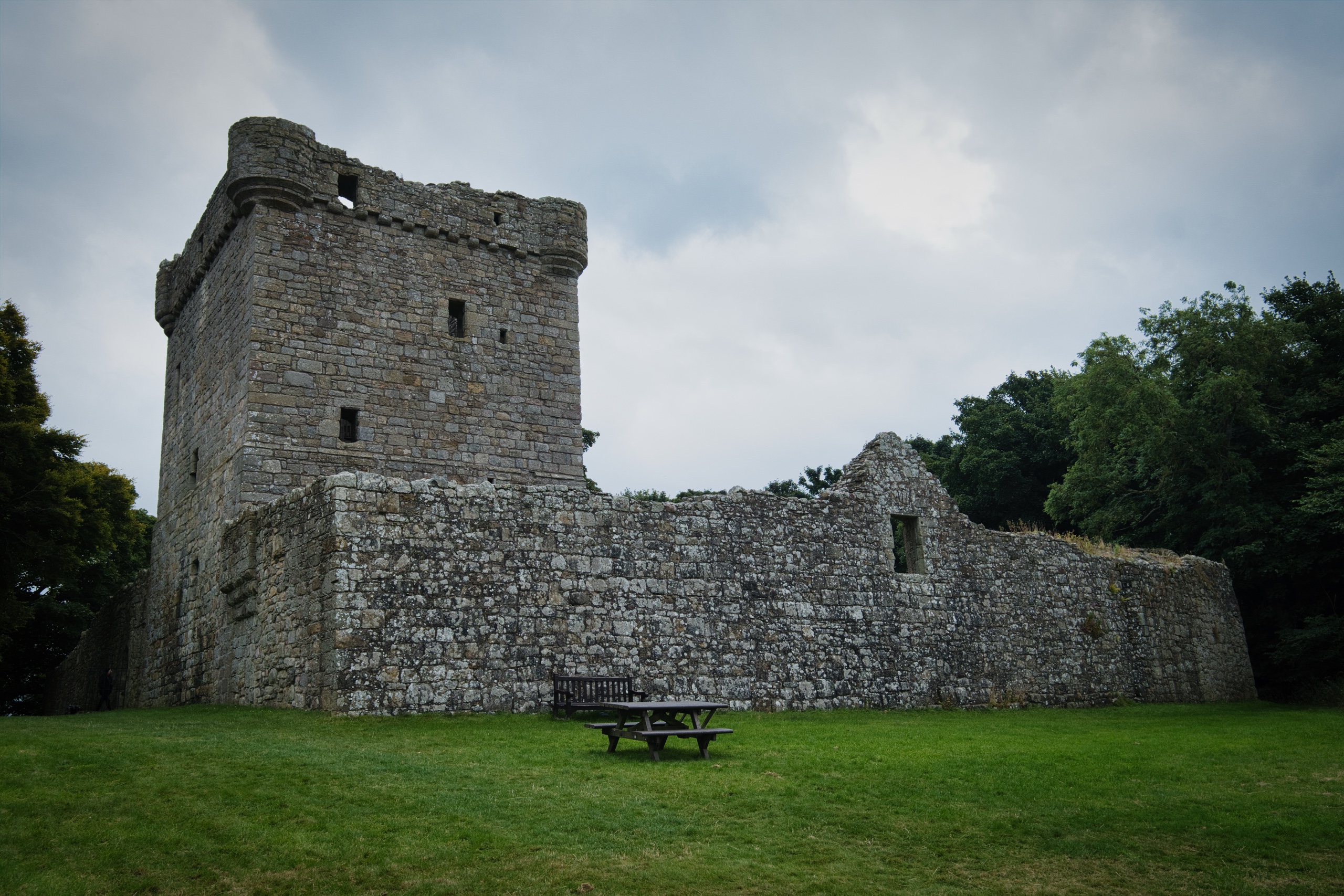
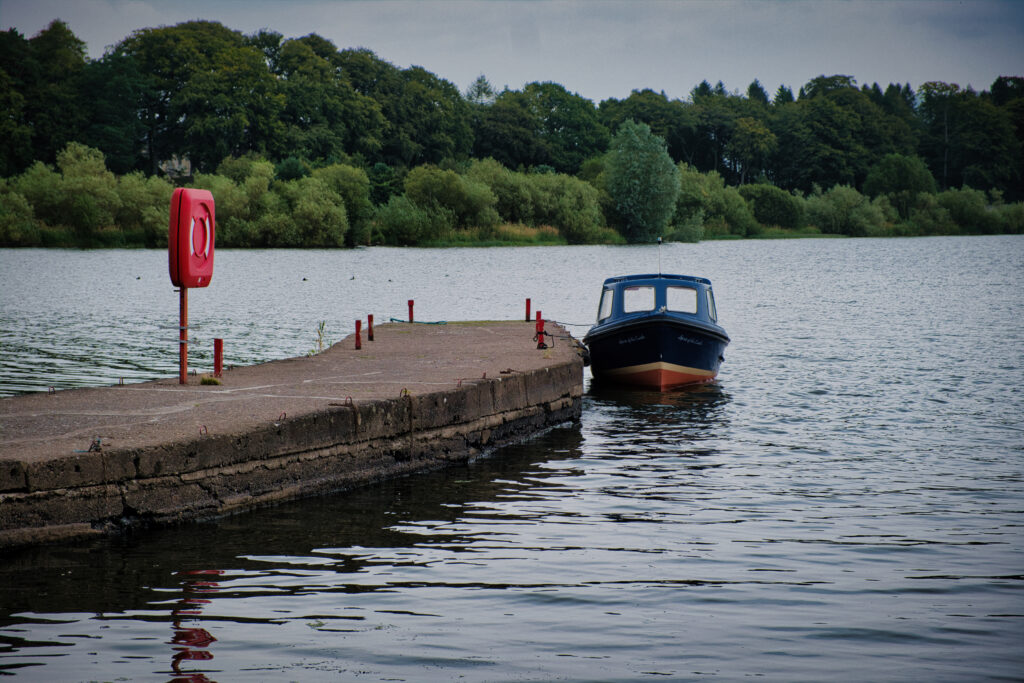
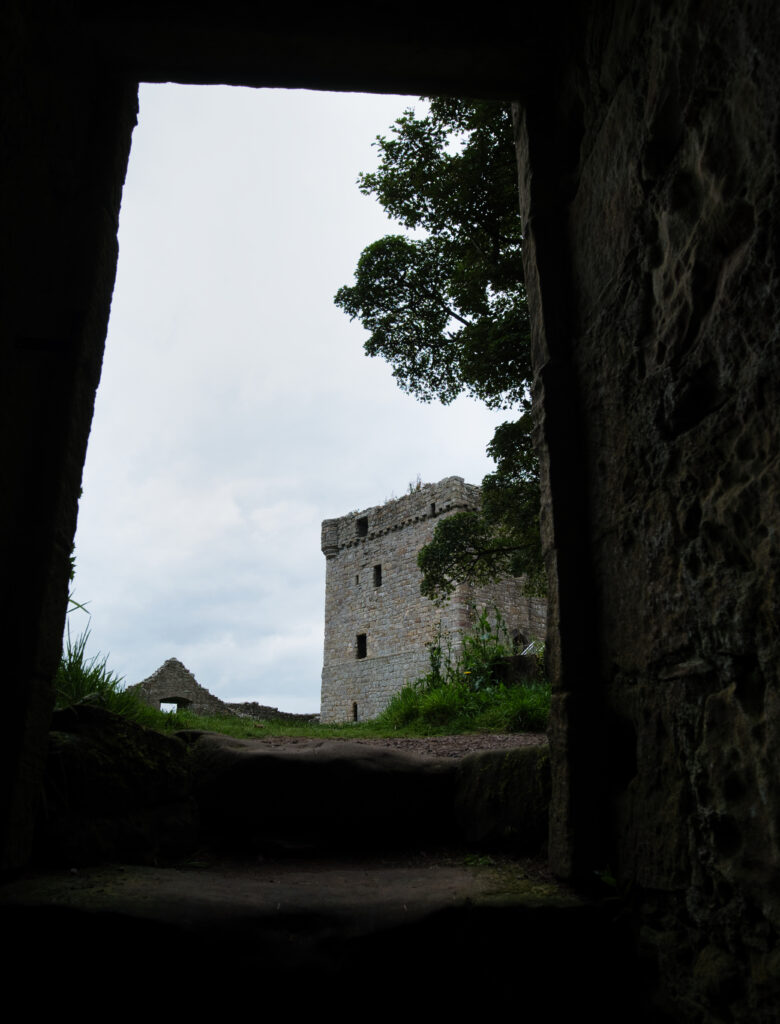
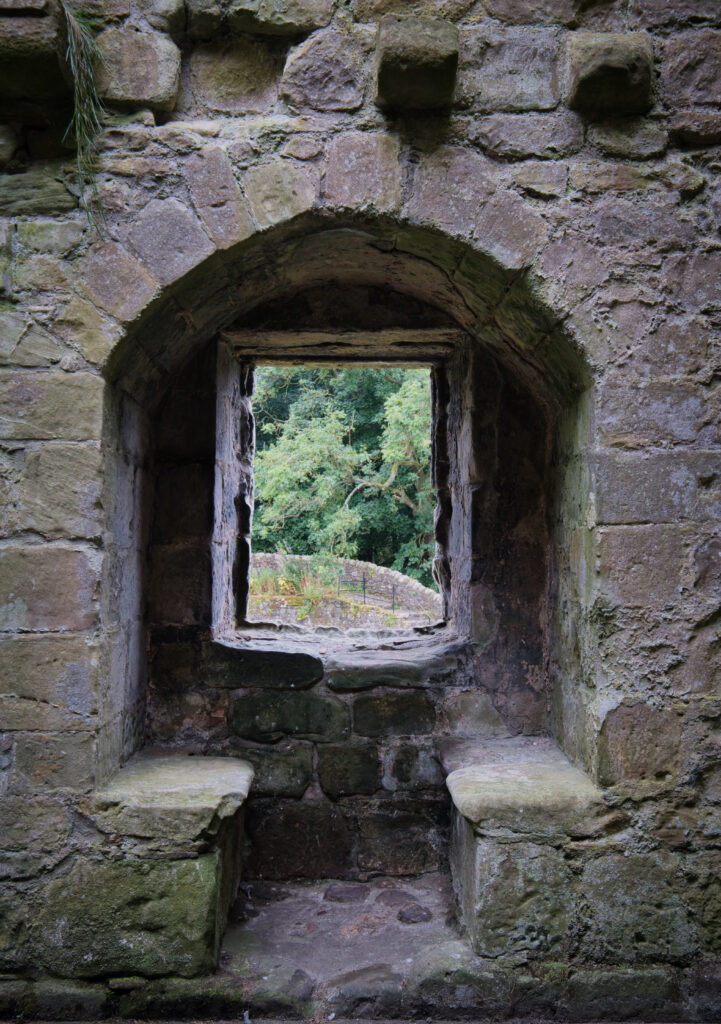
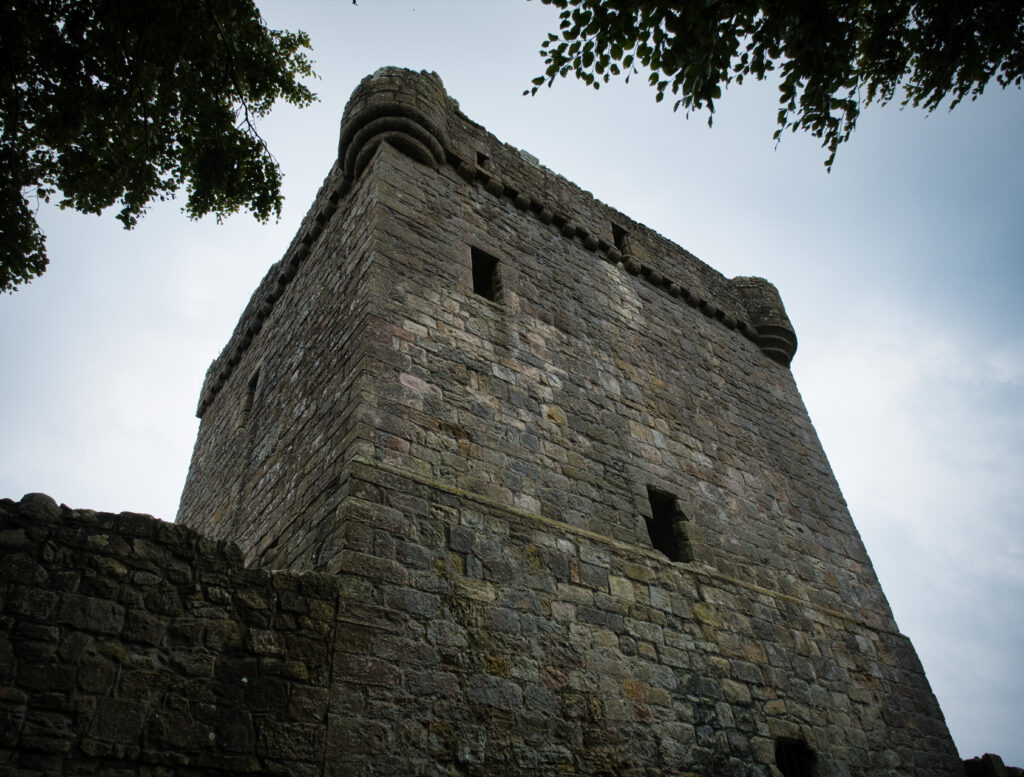
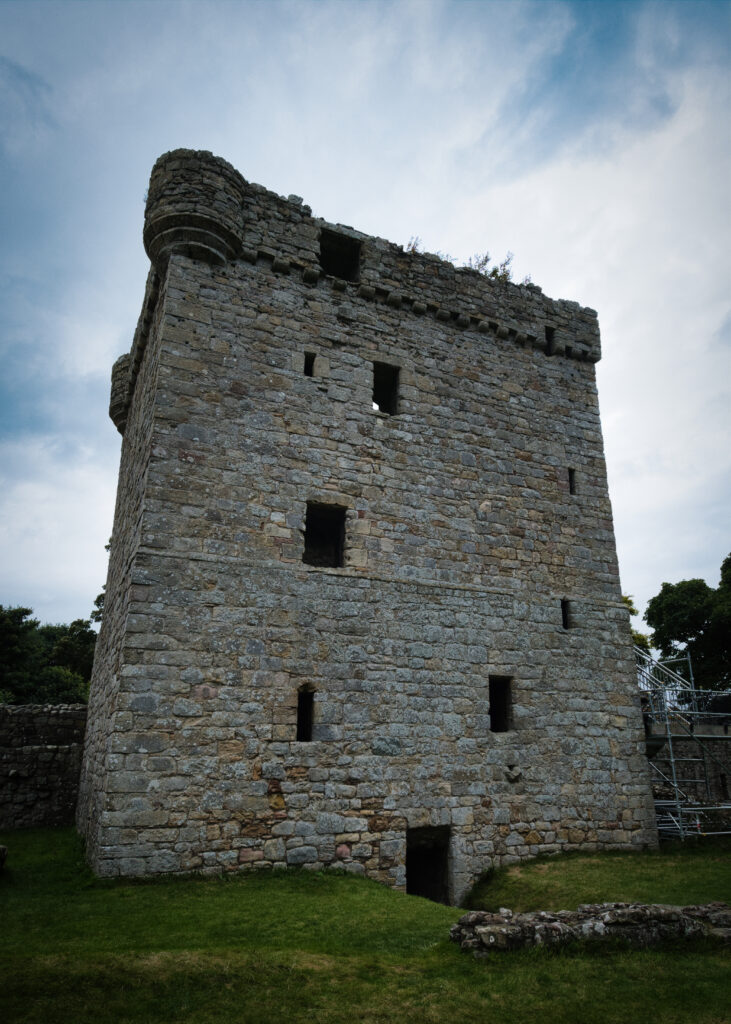
Lochleven Castle sits on a small island in the middle of Loch Leven in Kinross.
The castle is accessed via a small boat service from the jetty at Pier Road, Kinross. It is operated by Historic Environment Scotland.
The castle is thought to date back to as early as 1257. It held a strategic position between Edinburgh, Stirling and Perth.
During the First War of Scottish Independence the invading English army held the castle. It was recaptured by the Scots before the end of the 13th century, possibly by William Wallace.
King Robert the Bruce is known to have visited the castle in 1313 and 1323.
Robert Stewart was imprisoned here in 1369, two years before his coronation as Robert II.
In 1390, as king, he granted the castle to Sir Henry Douglas.
Beginning in the 14th century, the castle served as a state prison.
Mary, Queen of Scots stayed at Lochleven for a week in May 1562 to recover from a riding accident.
In September 1565, Mary visited Loch Leven again as the guest of Sir William Douglas.
Two years later, Mary returned to Lochleven as a prisoner, following the Battle of Carberry Hill. She was held there for eleven months.
Whilst imprisoned, she suffered a miscarriage of twins, and was compelled to abdicate her throne in favour of her infant son, James VI.
In May 1568, Mary escaped across the loch and fled to England in exile.
She never saw her native land again.
Around 1546, the Douglases built a house on the shore of the Loch which was known as “Newhouse”.
In 1675, the estate was bought by Sir William Bruce, royal architect in Scotland.
He built Kinross House to replace Newhouse, and the castle was no longer lived in.
Lochleven Castle had fallen into ruin by the 18th century.
It is advised to pre-book your visit to the castle, as spaces on the boat are limited. There is plenty of parking shoreside at Kinross.
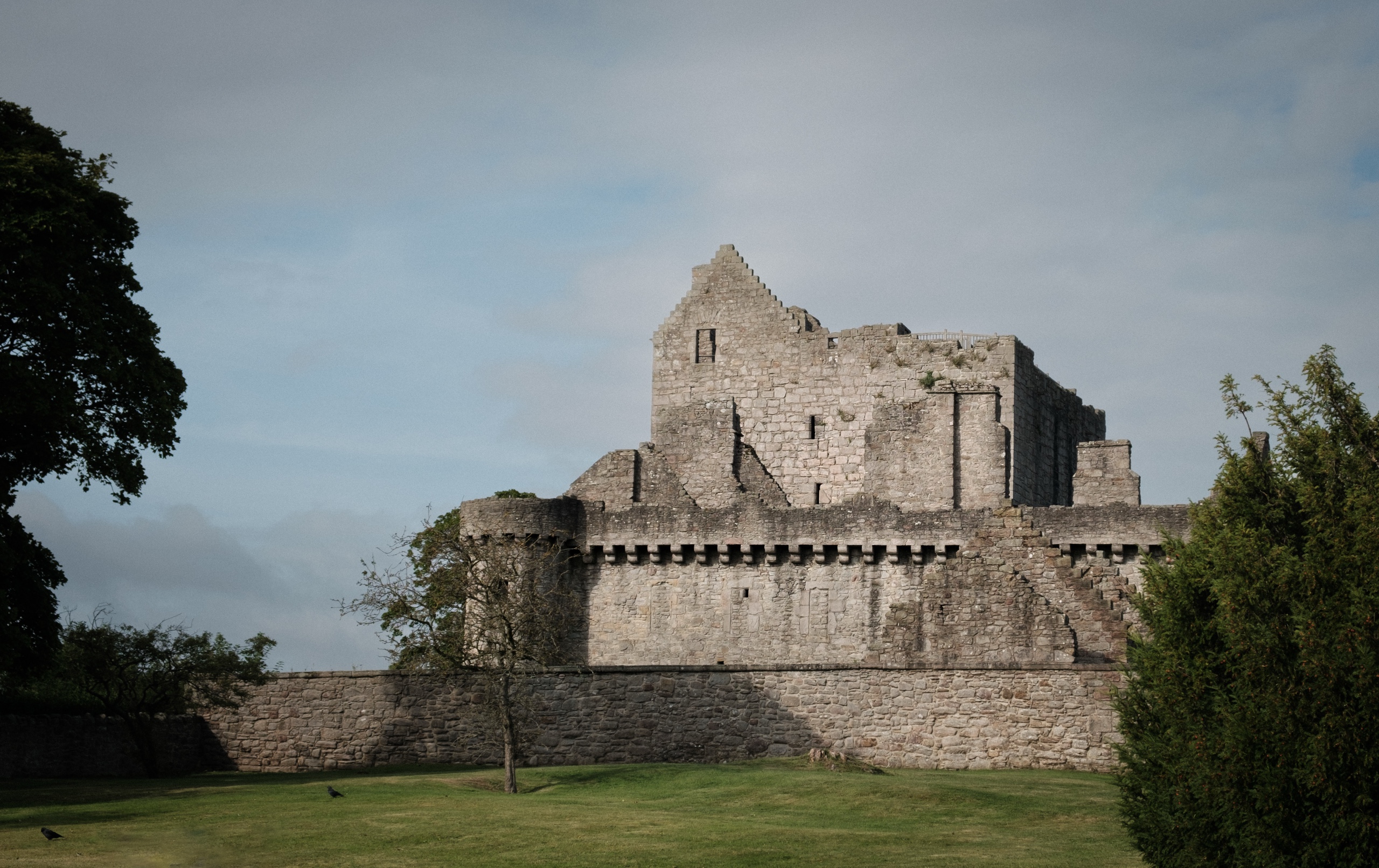
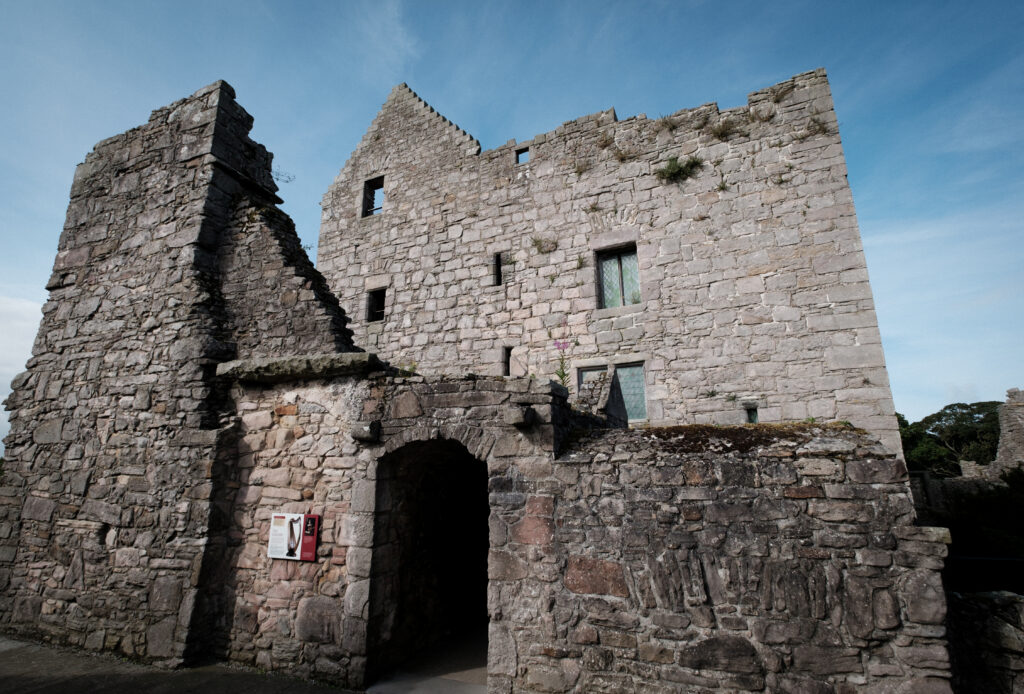
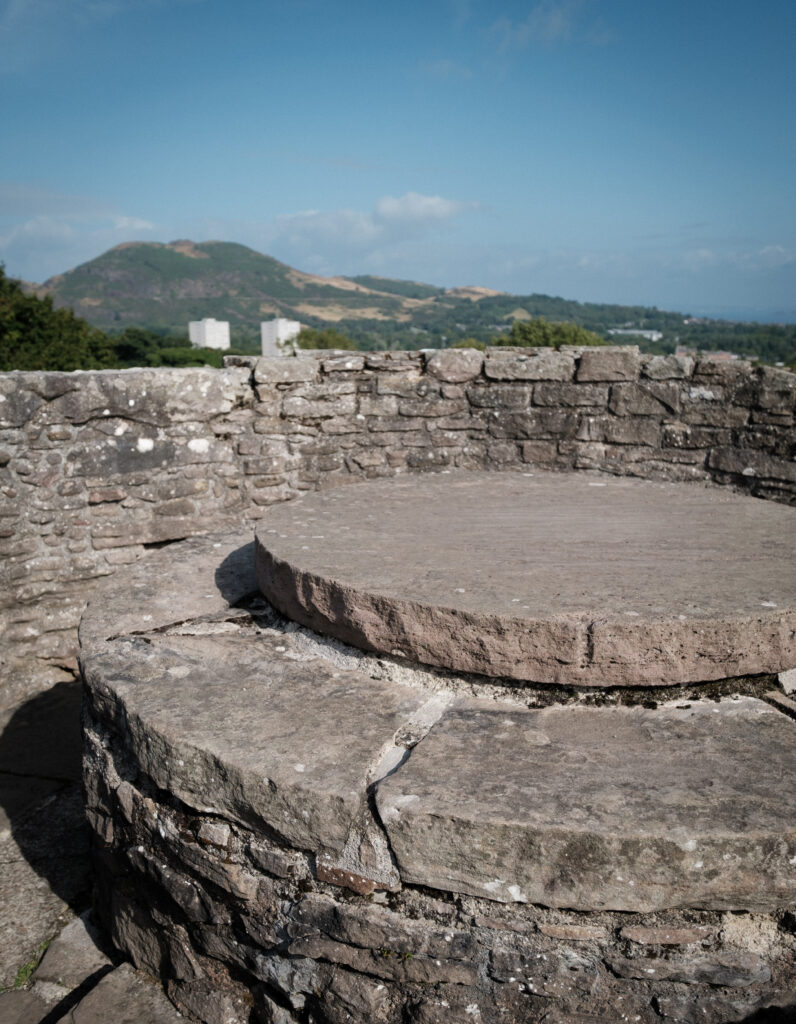
Craigmillar Castle sits just three miles from the centre of the city of Edinburgh. Overshadowed by the much better known castle in the city, it nevertheless has a history of its own and is definitely worth a journey out of the city to explore it.
We travelled by car. There is a small car park at the site, with spaces for about eight cars, so we’d recommend getting there early in peak times.
The name Craigmillar is derived from the Gaelic: craig, meaning crag, maol, meaning bare and ard meaning high.
Craigmillar Castle is managed by Historic Environment Scotland. Details for planning your visit can be found here.
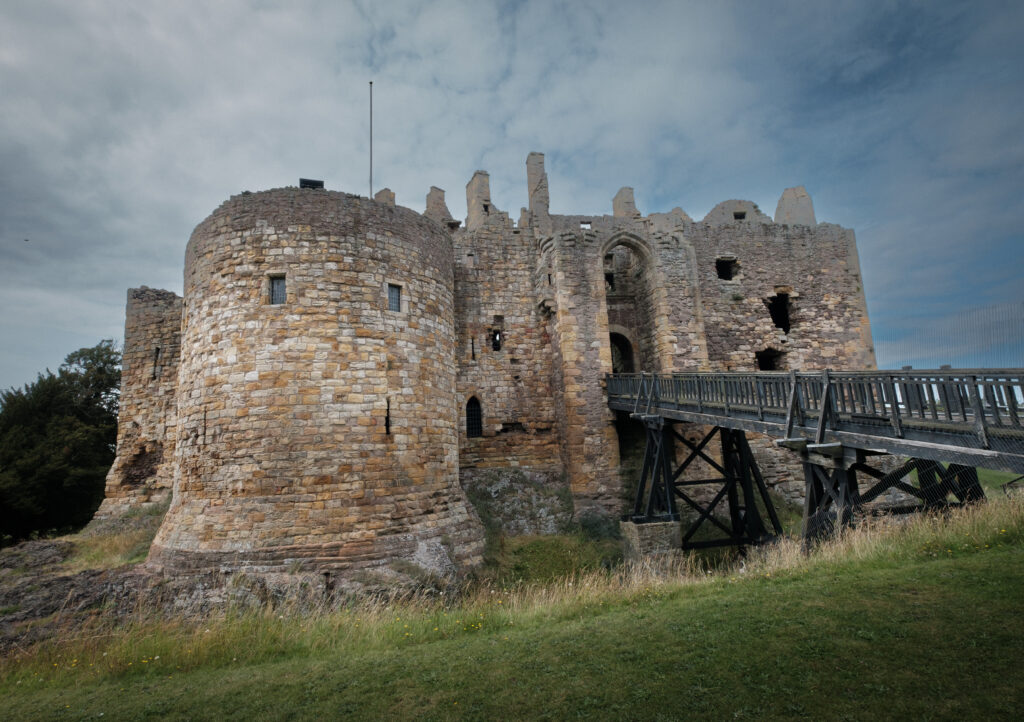
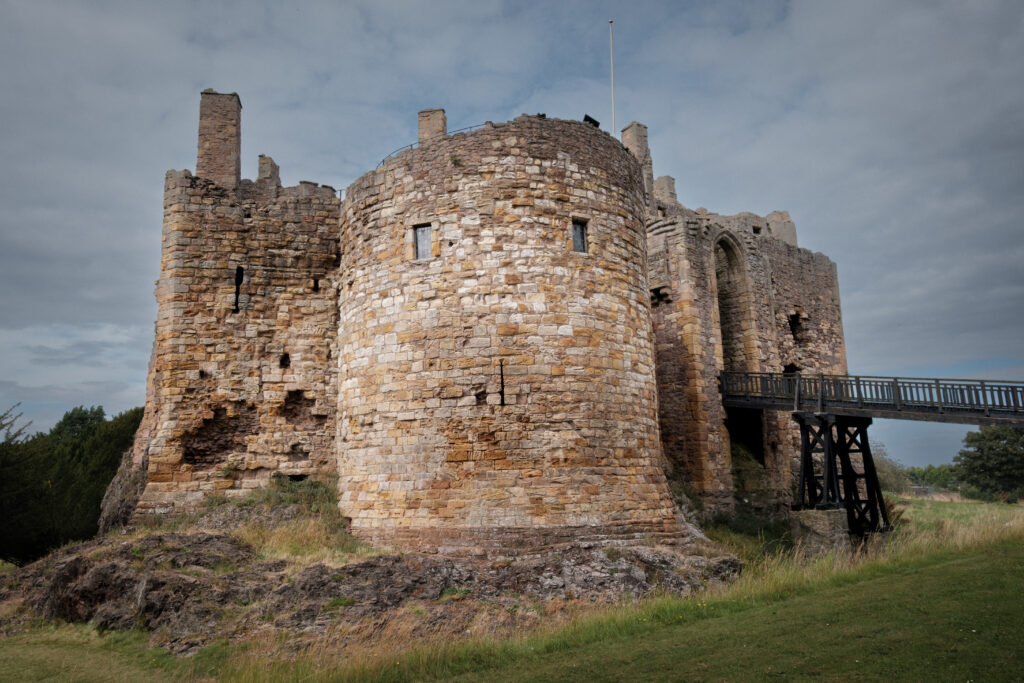
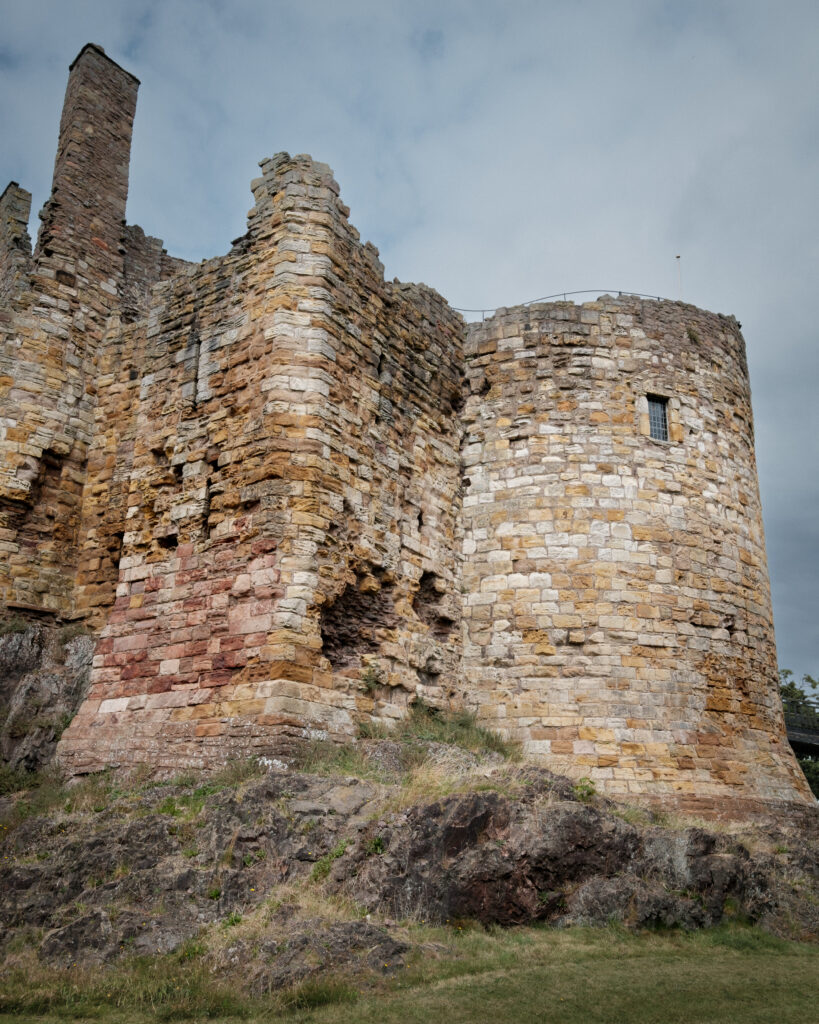
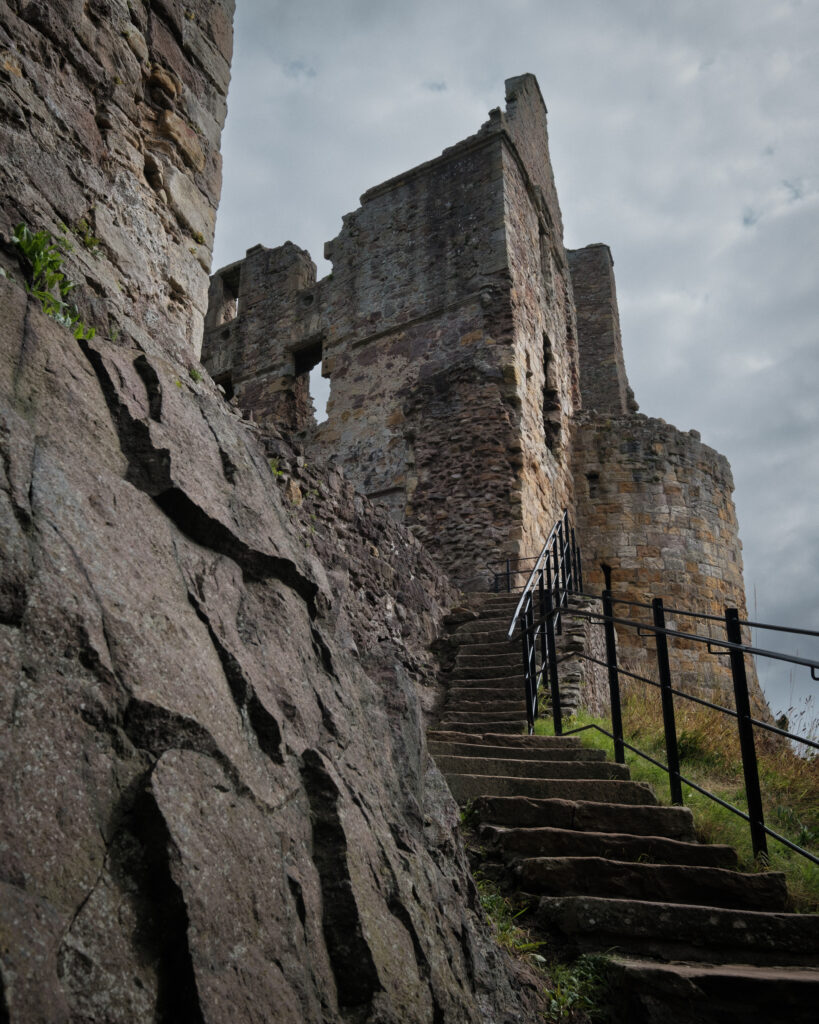
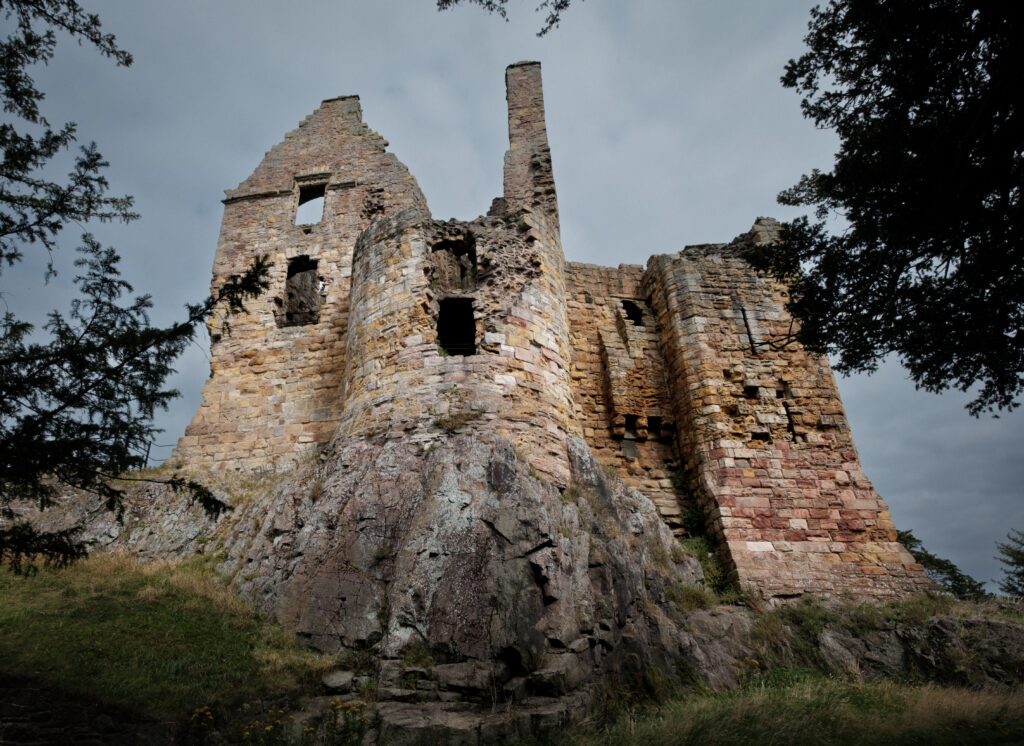
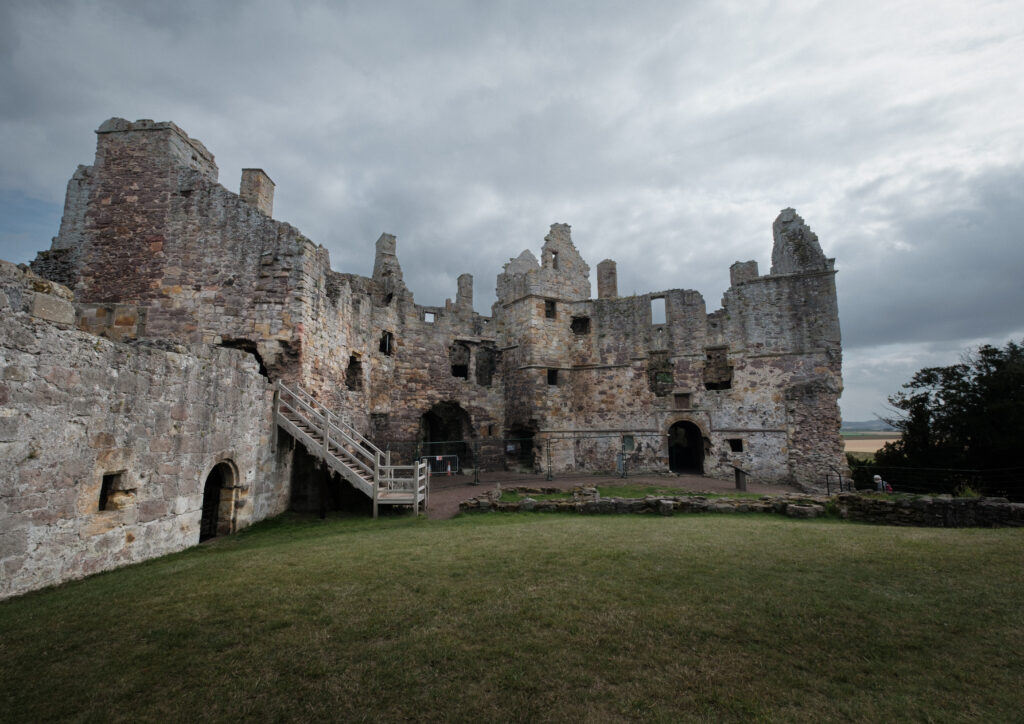
Dirleton Castle is situated two miles west of North Berwick in East Lothian, twenty miles from Edinburgh.
It was built in three main phases, by the successive families who owned it – the de Vaux family, the Haliburtons and the Ruthven family.
John de Vaux was granted the barony of Dirleton by King David I, and his nephew began building the castle in 1220.
Only the donjon, or keep, remains from this first castle.
The castle was damaged to prevent its use during the Scottish Wars of Independence.
In 1350 the castle passed to the Haliburton family of North Berwick. They made the original towers taller, and built a new gatehouse.
A large hall and tower house were added in the 15th century, transforming it into one of the finest noble residences of its time in Scotland.
The castle and lordship of Dirleton passed to William Ruthven in 1515. New lodgings were added.
In addition, gardens were laid out in the grounds. These can be explored as you make your way from the entrance to the castle, stopping at the beautiful dovecot of the same period, along the way.
Dirleton Castle is managed by Historic Environment Scotland. Visitor details can be found here.
There is a small car park in front of the entrance. When we visited (August 2024), there was no access through the main entrance into the castle. It’s worth checking before visiting if there are any restrictions.
Please watch our video tour below which includes further history of the castle.
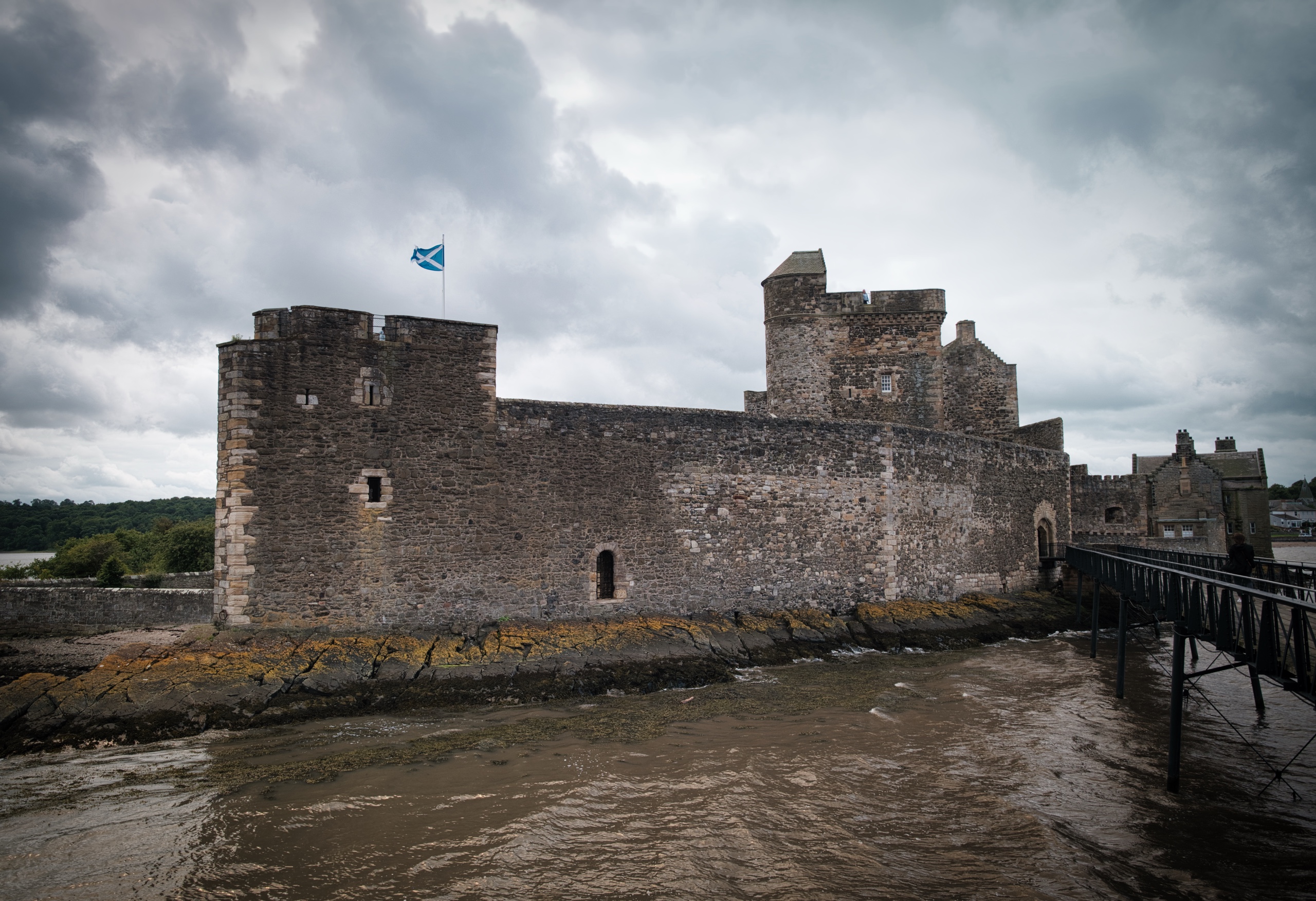
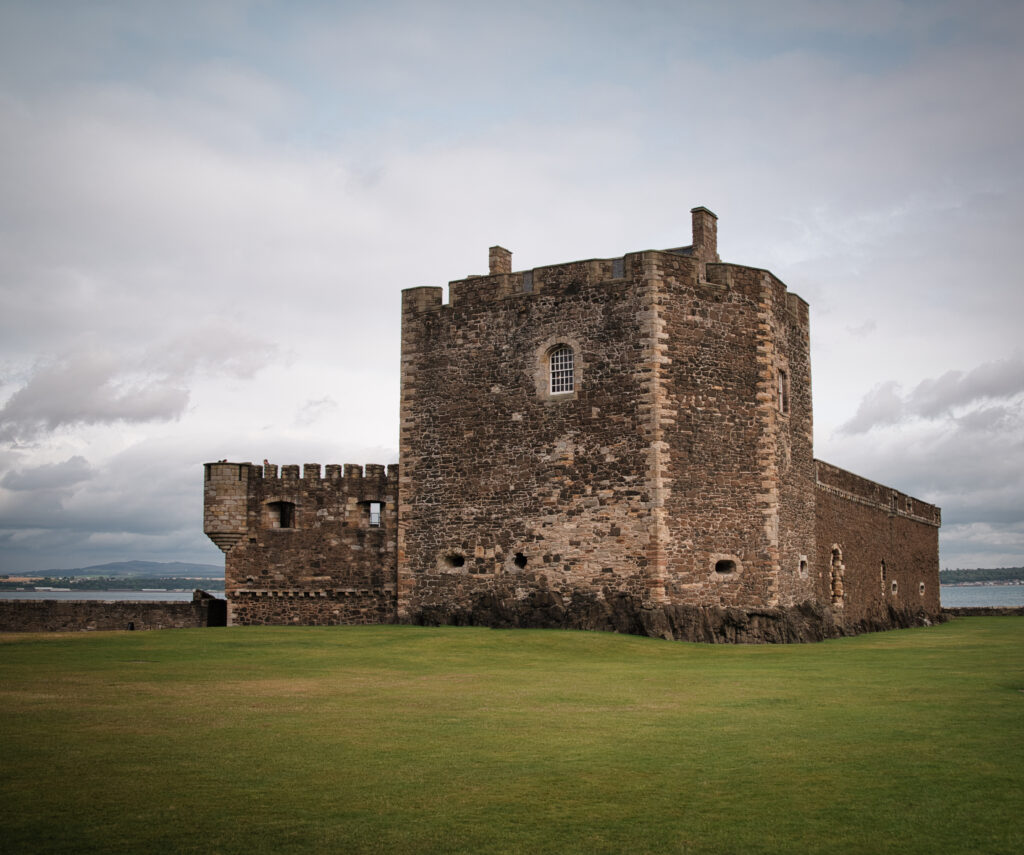
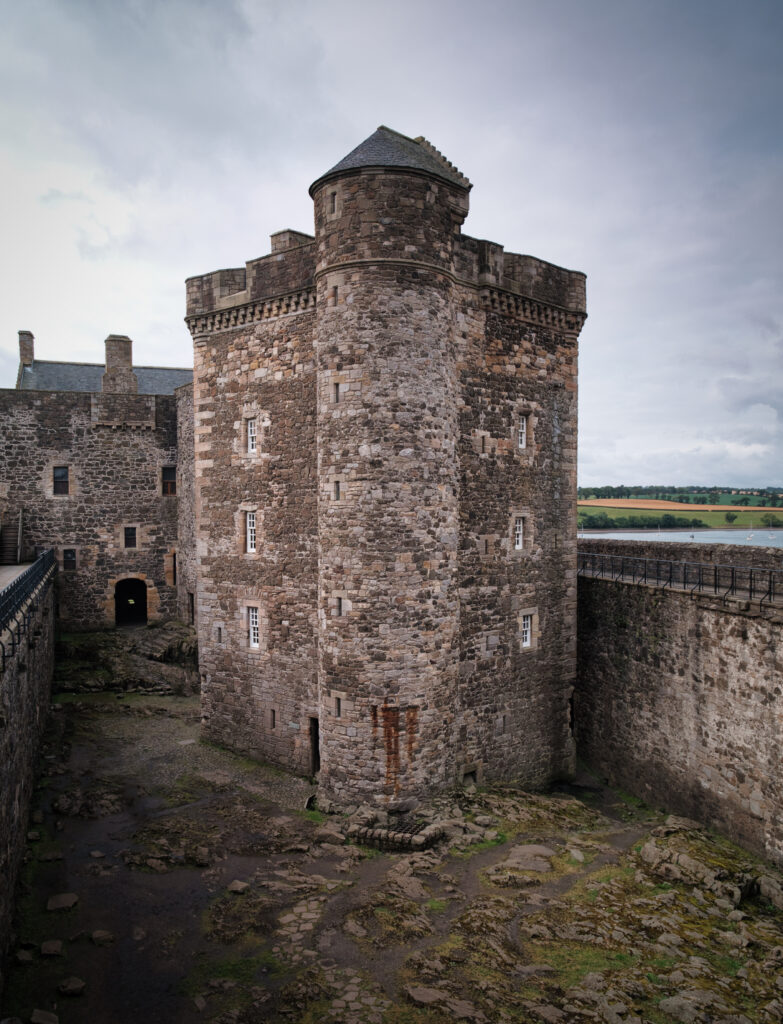
If you’ve ever looked at a castle and thought, “Yep, that looks like a stone ship that could fire cannons at pirates,” you’re not alone. Blackness Castle actually does look like a ship—and people even call it “The Ship That Never Sailed.”
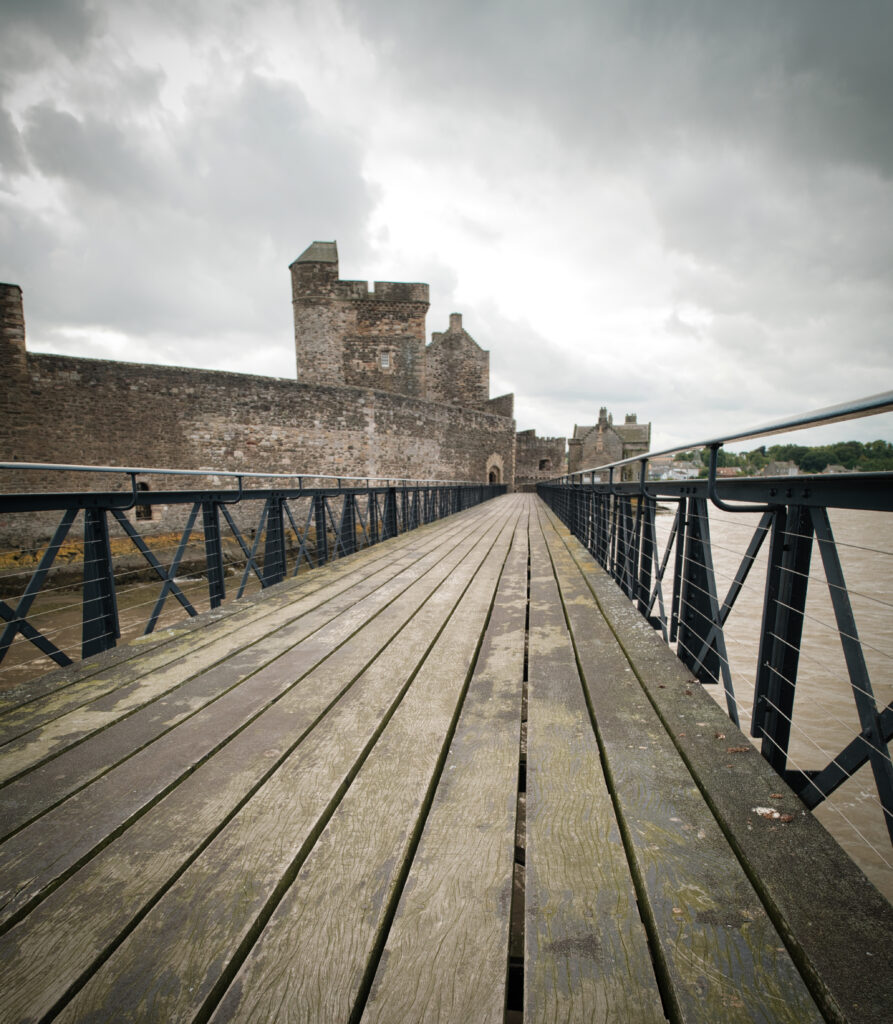
Blackness Castle is situated on the south bank of the Firth of Forth, 13 miles northwest of Edinburgh.
This formidable fortress was built in the 1440s by Admiral George Crichton – a powerful man – he was the Lord High Admiral of Scotland at the time. He built it as a noble residence… but one with serious defences.
After George’s equally powerful cousin William Crichton died, George was left without support and James II ordered him to hand over his assets, including Blackness.
A keeper was installed to look after the castle, in this case the sheriff of Linlithgow.
Under the crown, Blackness got a serious upgrade. The defences on this side of the castle were added by Sir James Hamilton of Finnart, Master of Works, in the 1530s. They protect the entrance, which he moved here from the other side of the castle.
The upgrades also included thickened walls, gun loops, and artillery. It was now a serious castle.
A Great Hall was added around 1540. This was at the heart of castle life, used for royal banquets when the king visited.
Was it worth it? Well James IV is the only monarch known to have visited Blackness more than once. He heard Mass here in 1491 and in 1506, a banquet took place where four oboe players entertained him.
Blackness also doubled as a prison. Many of the imprisoned residents of Blackness were important members of society who had fallen out of favour with the king – from political enemies to religious dissenters. They were imprisoned in the relative comfort of the Mast tower.
Blackness kept its military role up into the 1700s, and even saw a bit of action during the Jacobite uprisings.
Eventually, in the late 1800s, it was used as an ammunition store again.
The castle is now in the care of Historic Environment Scotland.
If you’re ever in Scotland, I highly recommend checking it out. You get amazing views, rich history, and a castle that looks like it could transform into a battleship at any moment!
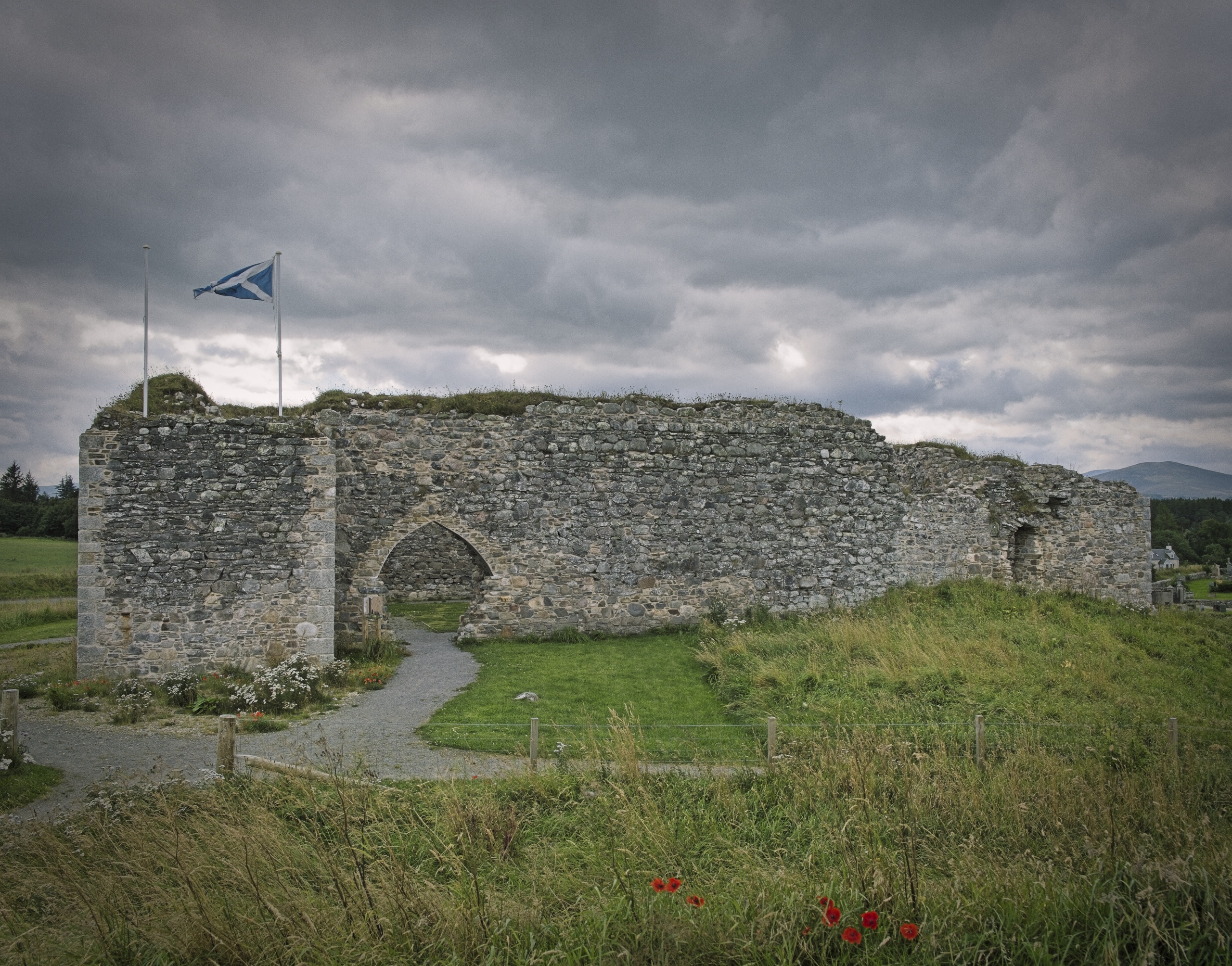
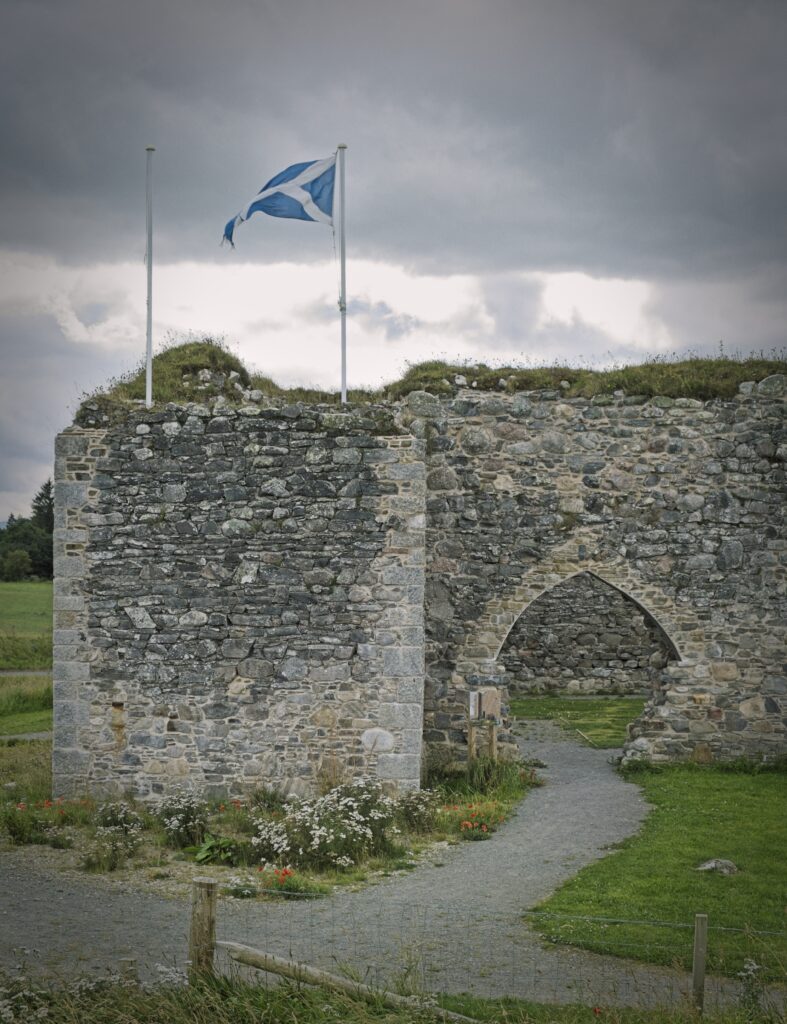
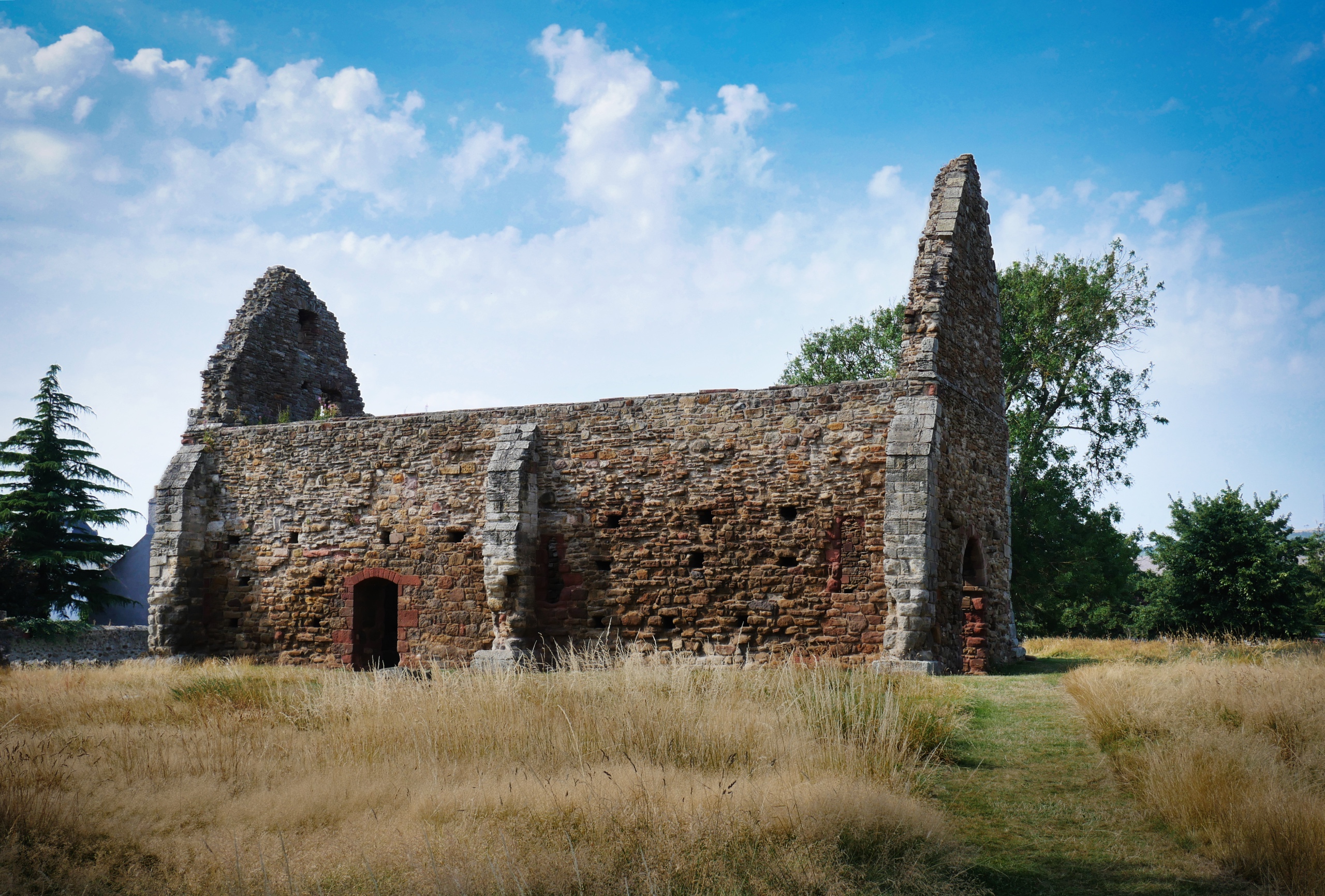
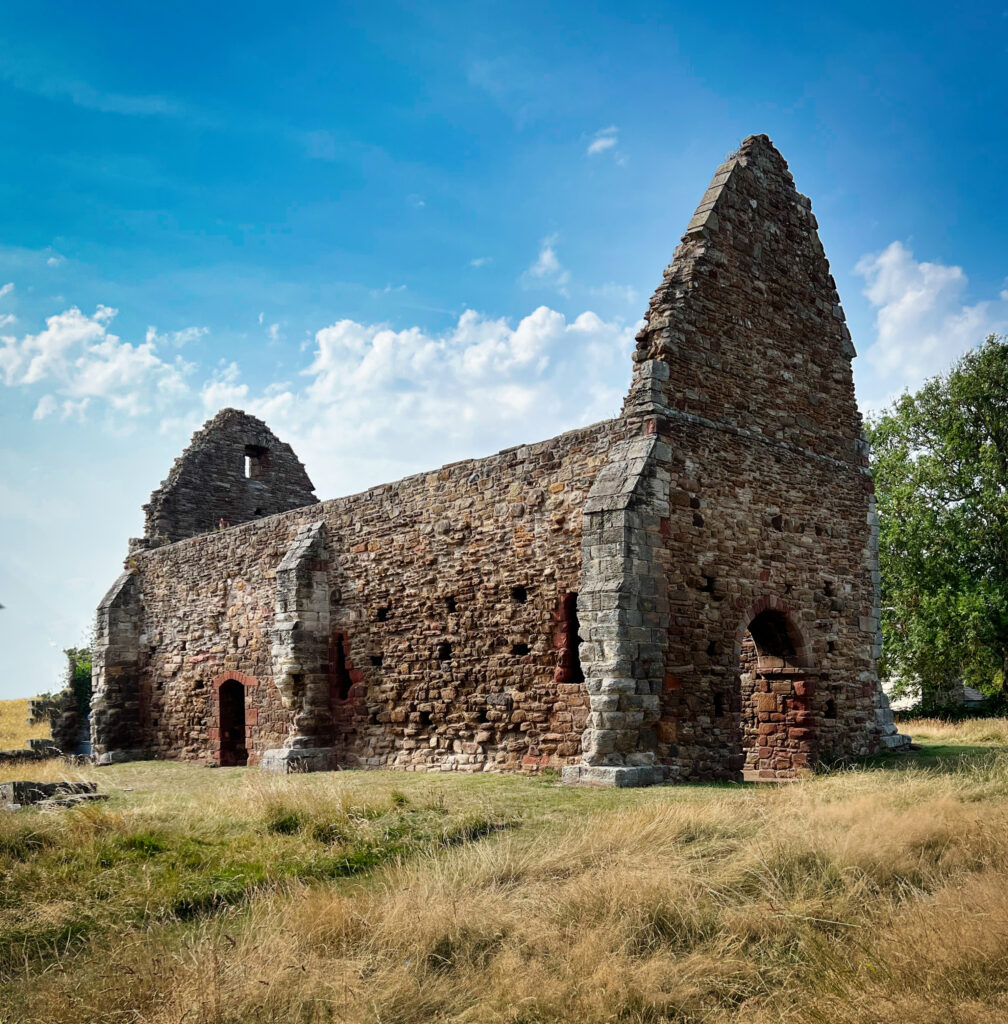
Whilst touring Scotland, we came across a ruined Church, on the edge of the town of Haddington in East Lothian.
We took some video and a few photos, but put them into our archive, as there was not enough content to produce a video for the channel.
A while later, reviewing the photos, we noticed on a snap of the inside of the north wall a small information plaque.
The plaque informed us that the church was built in the early 12th century for the use of the population of Haddington as well as the Nunnery of St Mary. This got us intrigued. Where was this nunnery?
We set about some internet research and eventually found the location based on the clues on the plaque. Using the side-by-side maps feature on the National Library of Scotland website, we quickly established that nothing remains of the nunnery, apart from a picturesque bridge – ‘Abbey Bridge’ – over the Tyne river.
The nunnery was founded in 1158 by Countess Ada of Northumbria. She was the daughter-in-law of King David I, who was responsible for the foundation of many Scottish monasteries. The Countess Ada owned the town of Haddington, and selected a site with level ground on the banks of the Tyne just outside of the town.
Despite nothing remaining above ground on the nunnery site, recent work including geophysical surveys has shed some light on the footprint of the buildings. It is said that the nunnery was the largest in the Lothian region, and was wealthy due to the endowments of the Countess.
The video above gives some more information on the history of the nunnery, and its location, as well as a tour of St Martin’s Kirk.
For a more detailed history of the nunnery, take a look at the website of the Haddington History Society here.